
Outlook Summary
- Weak La Niña conditions persist in the tropical Pacific.
- The traditional Southern Oscillation Index (SOI) was in the neutral range in December 2025 due to the passage of a Tropical Depression over Tahiti.
- The Equatorial SOI (measuring the difference in atmospheric pressure between the eastern Pacific and Indonesia between 5oN and 5oS) was positive in December, and convection and trade wind anomalies in the tropical Pacific were broadly consistent with a weak La Niña state.
- The Relative Oceanic Niño Index (RONI) remained in the La Niña range in December 2025.
- However, a rapid weakening of La Niña conditions is expected over summer, with about a 70% chance for ENSO-neutral (El Niño – Southern Oscillation) conditions to return by the end of the forecast period (January – March 2026).
- A westerly quarter wind flow prevails early in January then gives way to high-pressure systems favoured over and to the south of the South Island later in the month, likely persisting into February. This atmospheric circulation pattern is expected to produce easterly wind anomalies over the North Island with tropical moisture intrusions, while the South Island is expected to experience more settled conditions.
- Through March, slow-moving high-pressure systems interspersed with occasional rain from the tropics or subtropics are expected. This coincides with the seasonal minimum in westerly winds and the fading influence of the recent sudden stratospheric warming event.
- Marine heatwave conditions, though recently weakened, are expected to recover unevenly during January. This increases the likelihood of above-average temperatures, particularly warmer nights.
- The Tropical Cyclone Outlook for the November 2025 – April 2026 southwest Pacific Tropical Cyclone (TC) season indicates a normal or elevated risk for ex-TC interaction for New Zealand.
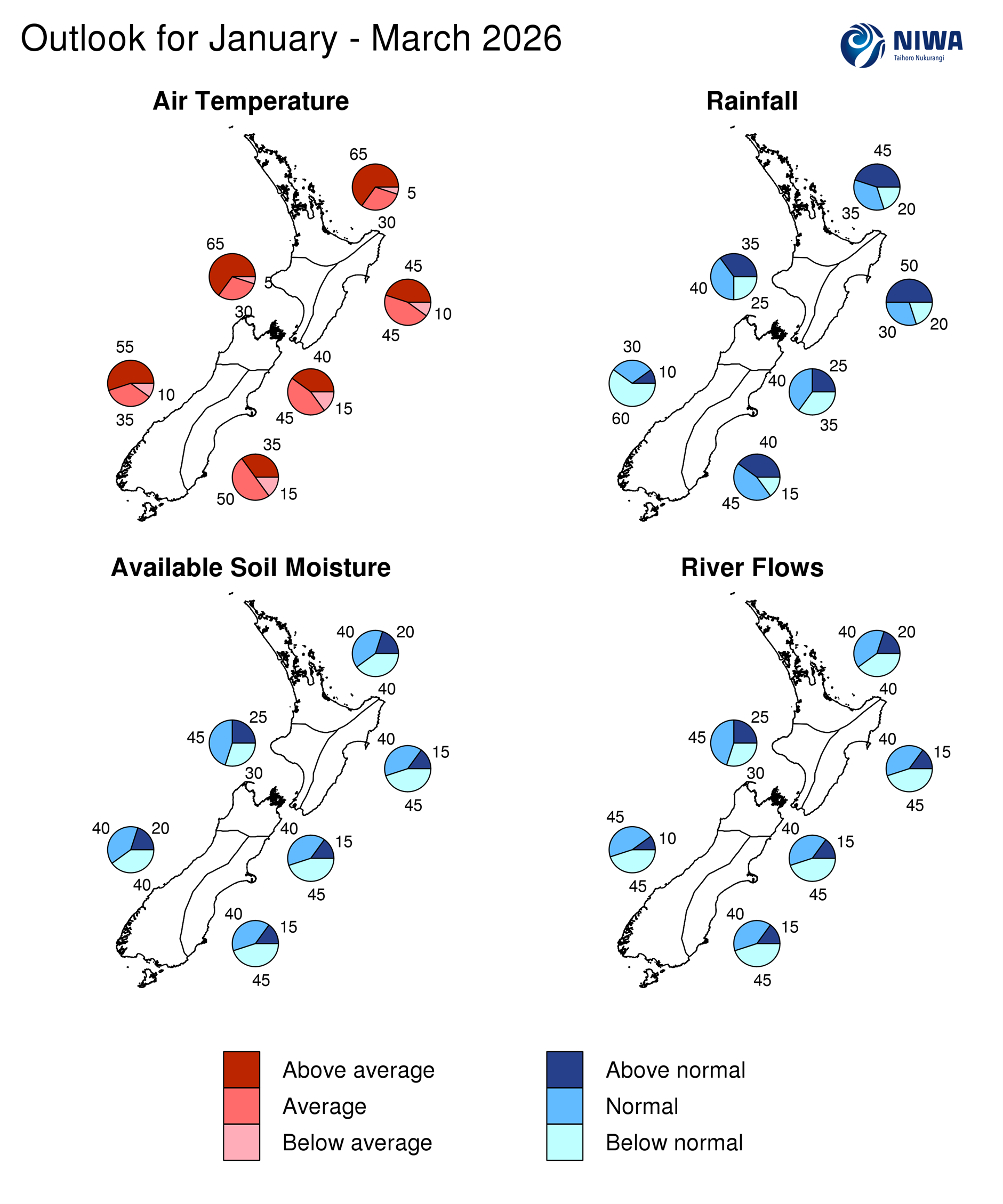
- Seasonal air temperatures for January – March 2026 are most likely to be above average for the north and west of the North Island and the west of the South Island, about equally likely to be above average or near average for the east of the North Island and the north of the South Island, and most likely to be near average for the east of the South Island.
- January – March rainfall totals are most likely to be above normal for the north and east of the North Island, about equally likely to be near normal or above normal for the east of the South Island and the west of the North Island, near normal or below normal for the north of the South Island, with below normal rainfall most likely in the west of the South Island.
- During January– March 2026, soil moisture levels and river flows are forecast to be near normal for the west of the North Island. For all remaining regions of New Zealand, soil moisture and river flows are about equally likely to be below normal or near normal.
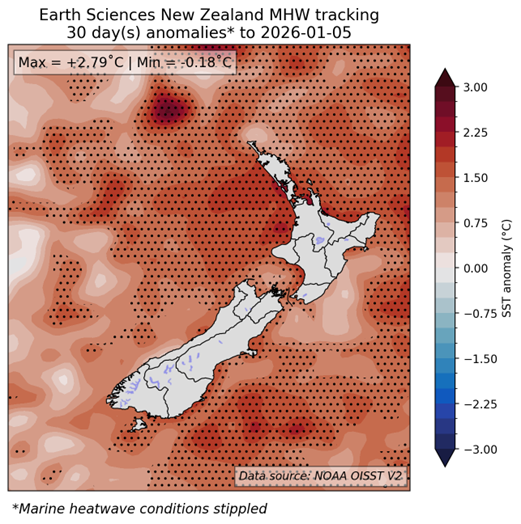
- Sea surface temperatures (SSTs) around New Zealand cooled markedly during December 2025 but remain generally above average. Marine heatwave (MHW) conditions—defined as SSTs exceeding the climatological 90th percentile for at least five consecutive days—have temporarily receded. Global forecast models indicate that SSTs are likely to remain warmer than average through January–March 2026, which is expected to exert an upward influence on seasonal air temperatures, particularly increasing the likelihood of warmer-than-average nights. Monitor the SST update for updates.
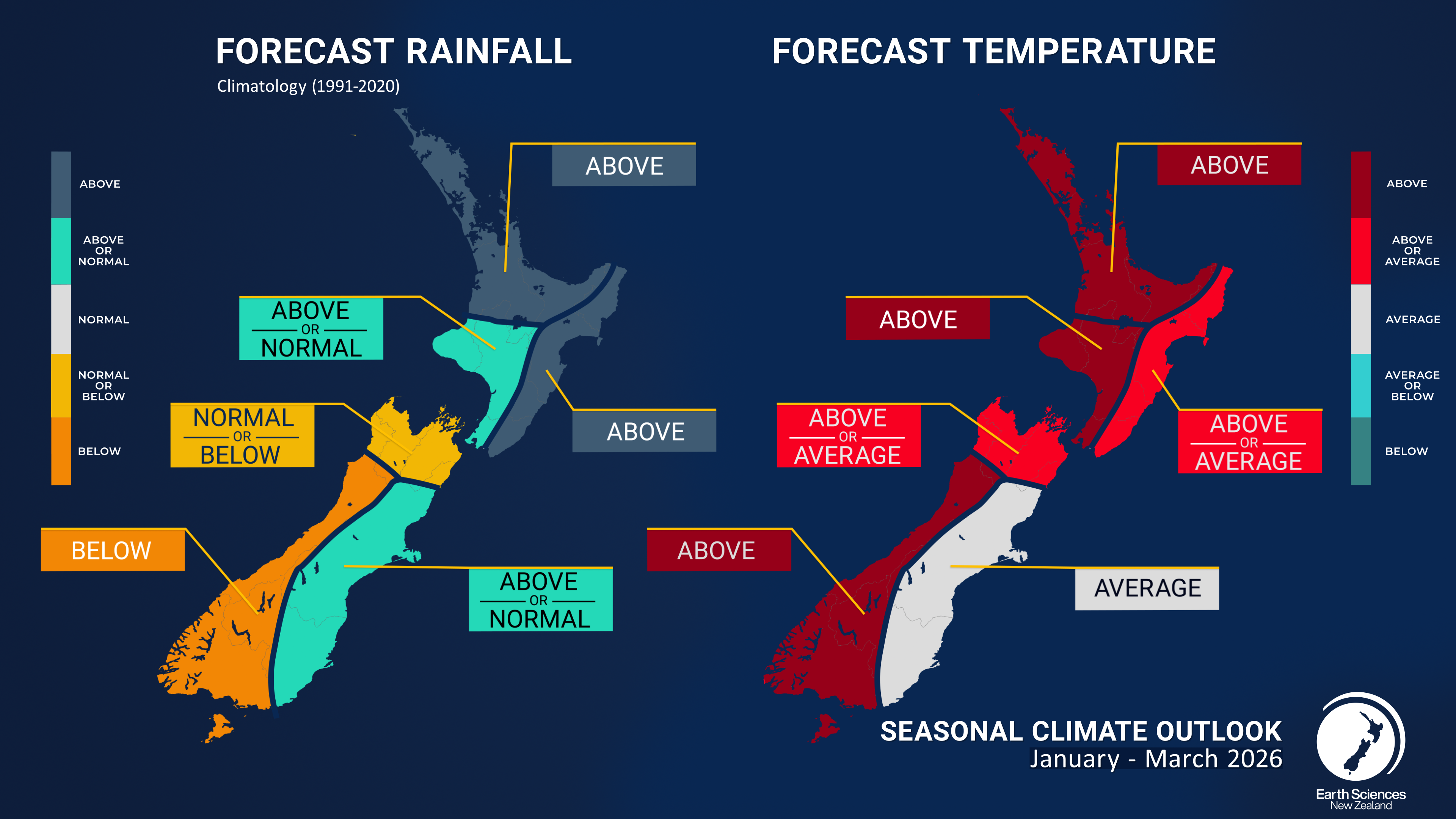
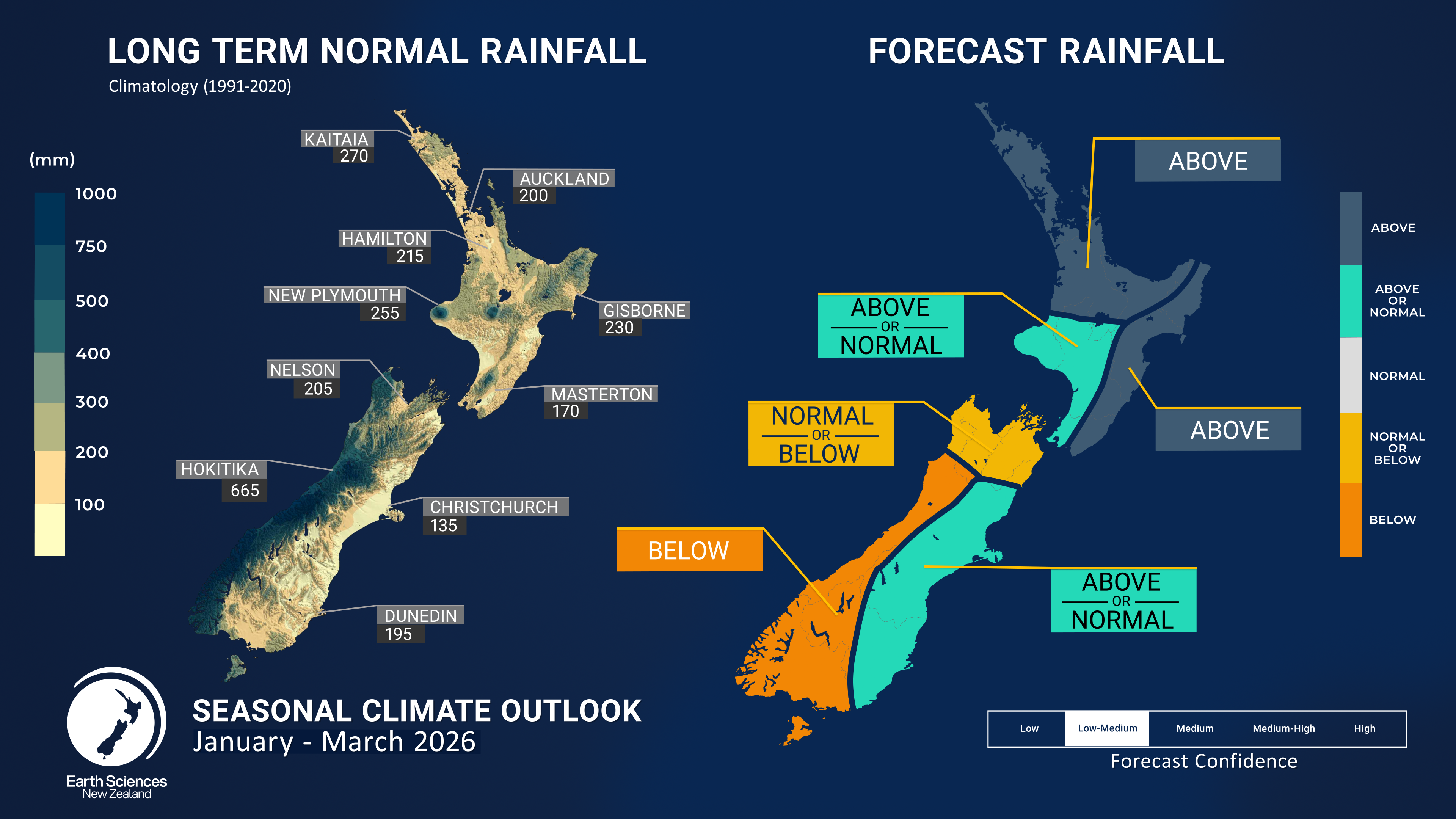
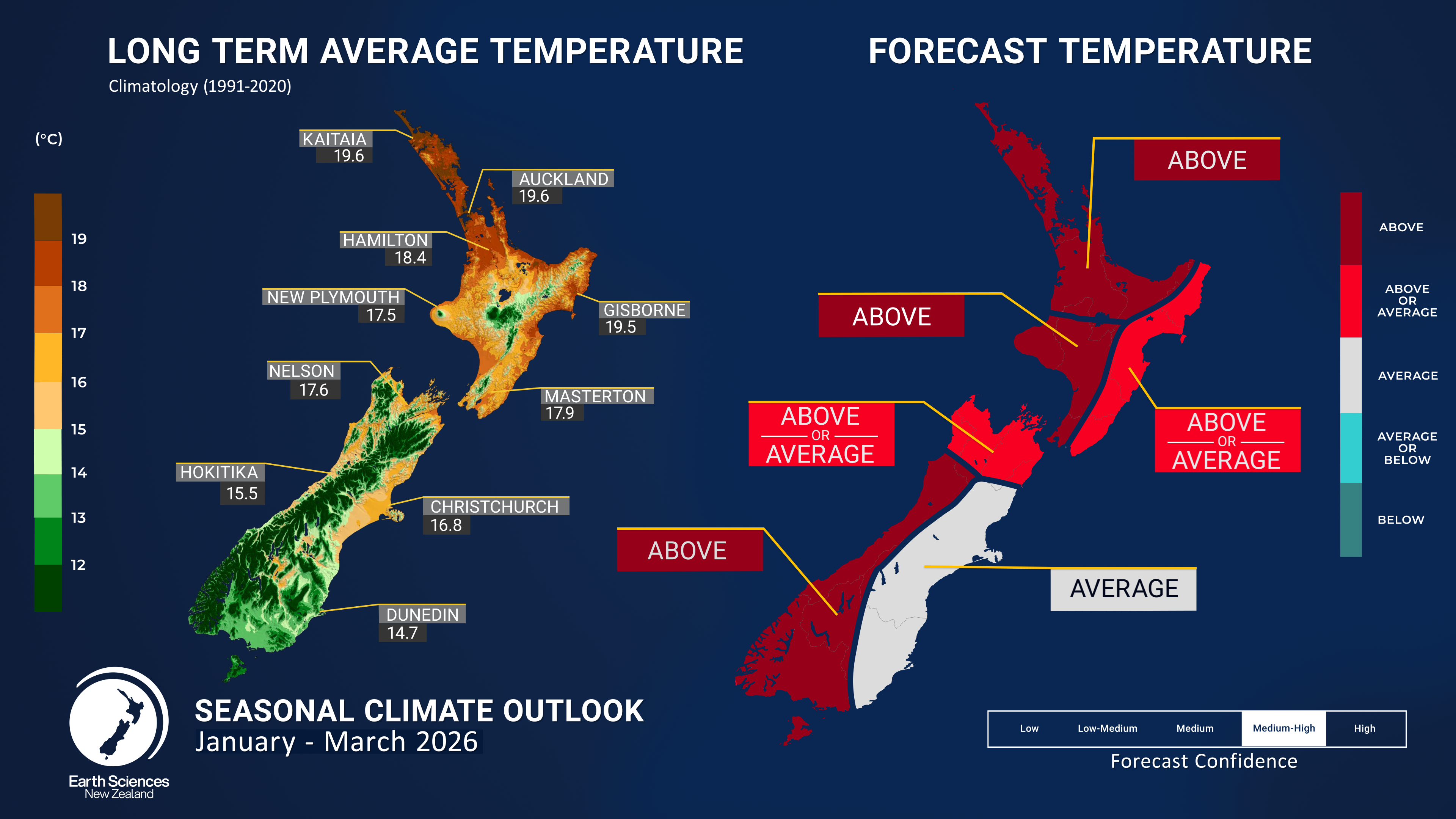
Regional predictions for January – March 2026
The tables below show the probabilities (or percent chances) for each of three categories: above average, near average, and below average. In the absence of any forecast guidance there would be an equal likelihood (33% chance) of the outcome for any of the three categories. Forecast information from local and global guidance models is used to indicate the deviation from equal chance that is expected for the coming three-month period. All outlooks are for the three months averaged as a whole. During these three months, there will inevitably be relatively wet and dry periods, as well as hot and cold periods. The exact range in temperature and rainfall within each of the three categories varies with location and season. However, as a guide, the “near average” or middle category for the temperature predictions includes deviations up to ±0.5°C relative to the long-term mean, whereas for rainfall the “near normal” category lies between 80 percent and 120 percent of the long-term (1991-2020) mean.
Northland, Auckland, Waikato, Bay of Plenty
- Temperatures are very likely to be above average (65% chance).
- Rainfall totals are most likely to be above normal (45% chance). Rain events linked to the subtropics and tropics may increase the likelihood of heavy rainfall at times.
- Soil moisture levels and river flows are equally likely to be near normal (40% chance) or below normal (40% chance).
| Temperature | Rainfall | Soil moisture | River flows | |
| Above average | 65 | 45 | 20 | 20 |
| Near average | 30 | 35 | 40 | 40 |
| Below average | 5 | 20 | 40 | 40 |
Central North Island, Taranaki, Whanganui, Manawatu, Wellington
Probabilities are assigned in three categories: above average, near average, and below average.
- Temperatures are very likely to be above average (65% chance).
- Rainfall totals are about equally likely to be near normal (40% chance) or above normal (35% chance).
- Soil moisture levels and river flows are most likely to be near normal (45% chance).
| Temperature | Rainfall | Soil moisture | River flows | |
| Above average | 65 | 35 | 25 | 25 |
| Near average | 30 | 40 | 45 | 45 |
| Below average | 5 | 25 | 30 | 30 |
Gisborne, Hawke’s Bay, Wairarapa
Probabilities are assigned in three categories: above average, near average, and below average.
- Temperatures are equally likely to be above average or near average (45% chance).
- Rainfall is most likely to be above normal (50% chance).
- Soil moisture levels and river flows are about equally likely to be below normal (45% chance) or near normal (40% chance).
| Temperature | Rainfall | Soil moisture | River flows | |
| Above average | 45 | 50 | 15 | 15 |
| Near average | 45 | 30 | 40 | 40 |
| Below average | 10 | 20 | 45 | 45 |
Tasman, Nelson, Marlborough, Buller
Probabilities are assigned in three categories: above average, near average, and below average.
- Temperatures are about equally likely to be near average (45% chance) or above average (40% chance).
- Rainfall totals are about equally likely to be near normal (40% chance) or below normal (35% chance).
- Soil moisture levels and river flows are about equally likely to be below normal (45% chance) or near normal (40% chance).
| Temperature | Rainfall | Soil moisture | River flows | |
| Above average | 40 | 25 | 15 | 15 |
| Near average | 45 | 40 | 40 | 40 |
| Below average | 15 | 35 | 45 | 45 |
West Coast, Southern Alps and foothills, inland Otago, Southland
Probabilities are assigned in three categories: above average, near average, and below average.
- Temperatures are most likely to be above average (55% chance).
- Rainfall totals are very likely to be below normal (60% chance).
- Soil moisture levels and river flows are equally likely to be near normal (40-45% chance) or below normal (40-45% chance).
| Temperature | Rainfall | Soil moisture | River flows | |
| Above average | 55 | 10 | 20 | 10 |
| Near average | 35 | 30 | 40 | 45 |
| Below average | 10 | 60 | 40 | 45 |
Coastal Canterbury and the nearby plains, east Otago
Probabilities are assigned in three categories: above average, near average, and below average.
- Temperatures are likely to be near average (50% chance).
- Rainfall totals are about equally likely to be near normal (45% chance) or above normal (40% chance).
- Soil moisture levels and river flows are about equally likely to be below normal (45% chance) or near normal (40% chance).
The full probability breakdown is:
| Temperature | Rainfall | Soil moisture | River flows | |
| Above average | 35 | 40 | 15 | 15 |
| Near average | 50 | 45 | 40 | 40 |
| Below average | 15 | 15 | 45 | 45 |
Background
The Southern Oscillation Index (SOI) switched back to a neutral value in December 2025, but this was primarily due to a temporary sharp decrease in atmospheric pressure over Tahiti due to a Tropical Depression crossing French Polynesia. The Equatorial Southern Oscillation Index however, which measures the pressure difference between the eastern and western Pacific along the Equator, continued to reflect weak La Niña-like conditions.
During December 2025, enhanced convection and rainfall - indicated by negative outgoing longwave radiation (OLR) anomalies - were still present over the Maritime Continent and northeastern Australia. Positive OLR anomalies, indicating suppressed convection, were recorded over and just west of the International Date Line. These anomalies were broadly consistent with La Niña conditions but were more geographically constrained to the central and western Pacific than typical La Niña events. Enhanced trade winds (negative zonal wind anomalies) were observed but were constrained to the central Tropical Pacific.
Sea surface temperatures (SSTs) in the central equatorial Pacific, as measured by the Niño 3.4 Index, continued to be below average in December 2025, with a value of -0.64°C. Below-average SSTs are present along the Equator, from east of the International Date Line to the South American coast. All Niño indices remain negative, and the Relative Niño 3.4 Index (RONI) anomaly remained close to -1oC, with its latest 30-day value (to 5 January) at -0.98 °C.
Subsurface ocean temperatures in the eastern and central Pacific remained cooler than average in December 2025, although these anomalies have contracted eastward significantly over the course of the month, and anomalies exceeding about -1oC are now mostly restricted to east of 120oW around about 50m depth. In the meantime, warmer than average subsurface ocean temperatures in the western Pacific have expanded eastward, and maximum positive temperature anomalies are located across the International Date Line between 100 and 150m depth. Accordingly, negative upper-ocean heat content anomalies (ocean temperature anomalies integrated over the top 300m of the ocean) are now mostly restricted to east of about 120oW.
While the east – west gradients in subsurface temperature and heat content anomalies persist and remain consistent with oceanic La Niña conditions, these recent changes could indicate an imminent transition to a more neutral oceanic state.
The Relative Oceanic Niño Index forecasts (see https://niwa.co.nz/news/warming-oceans-prompt-major-overhaul-how-we-monitor-el-nino-and-la-nina) indicate a 72% probability that the tropical Pacific will return to ENSO-neutral conditions over the next three month period (January – March 2026). The IRI/CPC forecasts, based on the traditional Niño 3.4 index, also support this outlook.
The Southern Annular Mode (SAM) remained predominantly negative through most of December 2025 (~ 60% of days below -0.5 std.), although its intensity weakened compared to November. In recent days, daily values have shifted into positive territory. Forecasts suggest this positive trend will likely persist, with SAM expected to stay slightly positive over the next two weeks. It is important to note that SAM forecasts beyond this timeframe carry significant uncertainty.
The Indian Ocean Dipole (IOD) continued to weaken in December, reaching neutral values by the middle of the month. It was a historically strong negative event, but its demise was characteristic of its normal life cycle. Forecasts from the Australian Bureau of Meteorology are for the IOD to remain in the neutral range over the next six month period.
During December 2025, the Madden-Julian Oscillation (MJO), was initially active in the western Pacific, then rapidly moved eastwards before ultimately weakening in the middle of the month. This marked the end of a two-month period during which the MJO was robust and likely had a significant impact on New Zealand weather patterns.
More recently, the MJO has appeared incoherent, despite some evidence of an unusually fast-moving signature in wind anomalies in the Indian Ocean. Many models are predicting an increase in amplitude in the coming weeks over the Maritime Continent and then the Western Pacific, where it may become slow-moving. If this does occur later in January in conjunction with the expected higher-latitude ridging near New Zealand, it would lead to an increased potential for tropical cyclone formation in the SW Pacific. Model forecasts still show very large variation in MJO magnitude during the time it is expected to be present in the western Pacific.
The Sudden Stratospheric Warming (SSW) which occurred in September had an impact on New Zealand circulation patterns through spring and the first month of summer, at times counteracting other climate drivers. However, its influence has now waned, potentially allowing traditional La Niña patterns to become more frequent around the country in the coming months.
Sea surface temperatures (SSTs) around New Zealand cooled markedly during December 2025 but remain generally above average. Marine heatwave (MHW) conditions—defined as SSTs exceeding the climatological 90th percentile for at least five consecutive days—have temporarily receded. Global forecast models indicate that SSTs are likely to remain warmer than average through January–March 2026.
| North NI | +1.62°C |
| West NI | +1.56°C |
| East NI | +1.21°C |
| North SI | +1.27°C |
| West SI | +1.24°C |
| East SI | +1.49°C |
[1]The Relative Oceanic Niño 3.4 Index (RONI) is a modern way of measuring oceanic El Niño and La Niña that is complementary to traditional oceanic indices. While traditional oceanic indices like the Niño 3.4 Index monitor SSTs in one region, the RONI compares the average SST in the central equatorial Pacific with the average SST across the global tropics. Since tropical rainfall patterns respond to changes in ocean temperatures, this new relative index can help forecasters better determine if the equatorial Pacific is warmer or cooler than the rest of the global tropics, which has become more challenging to discern as seas warm because of climate change.
Forecast Confidence
Temperature
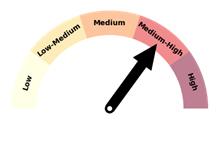
Forecast confidence for temperatures is Medium-High. Warmer than average ocean temperatures around New Zealand continue to provide a baseline of warming, especially to nighttime temperatures. Easterly flows become more common as the period progresses, and the distribution of temperatures across the country should change compared with early January.
Rainfall
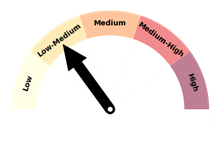
Forecast confidence for rainfall is Low-Medium. Weather systems and airstreams originating in the tropics have underlying potential to bring impactful rain events, but these could occasionally fail to make landfall. Weather systems originating from these areas also have access to anomalously warm SSTs, further enhancing their potential to bring heavy rainfall.