-
Native plant “super producers”
Research ProjectA nature-based solution to reduce metal toxicity in our streams. -
Stopping the gold clam: Programme updates
Publication seriesTo keep you informed on our research, tools and resources we have launched our regular e-newsletter update. -
Degraded estuaries feel the heat
Media release11 December 2025Degraded estuaries are less resilient to the impacts of heatwaves, new research from Earth Sciences New Zealand shows. -
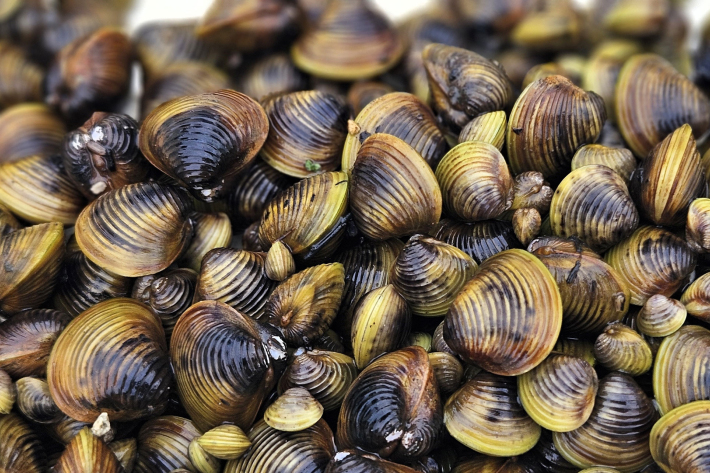
It’s breeding season for invasive clam
Media release20 November 2025Earth Science NZ researchers are seeing signs that the breeding season for the invasive freshwater gold clam (Corbicula fluminea) has begun. -
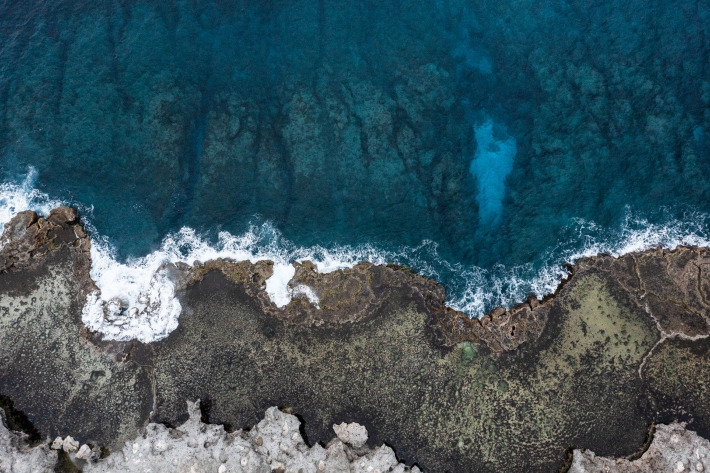
Sensors, science and sea change: tackling ocean acidification together
News article01 November 2025Experts met at Solomon Islands National University to learn hands-on monitoring techniques for ocean acidification. -
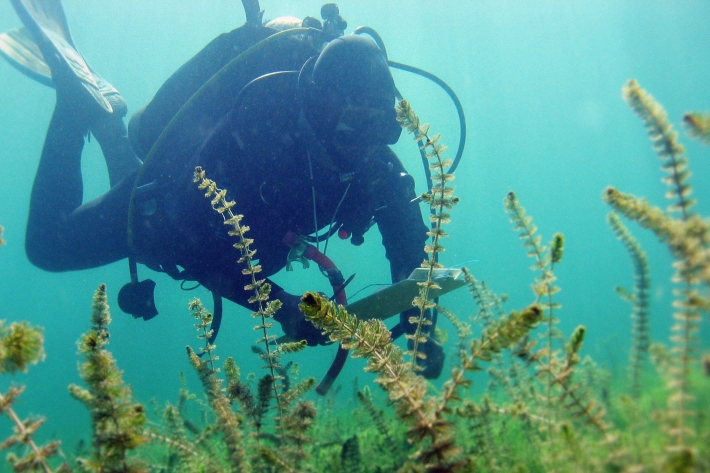
Earth Sciences NZ staff profile: Aleki Taumoepeau
News article01 November 2025Aleki Taumoepeau is an Aquatic Biology Technician specialising in freshwater biosecurity and aquatic plant ecology. -
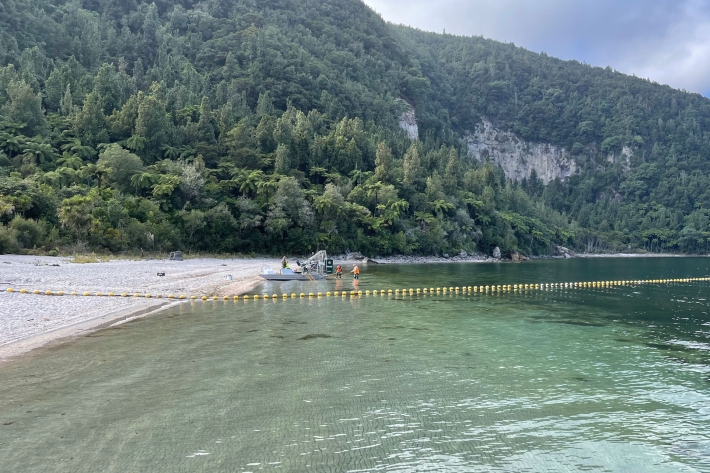
Endothall
Endothall (Endothall dipotassium) is a herbicide (chemical) that has been registered for the control of freshwater submerged (underwater) weeds in New Zealand. -
Wetlands win proves power of partnership to improve water quality
Media release06 October 2025Constructed wetlands project receives NZ award for environmental sustainability. -

New study reveals colossal scale of riverbank erosion during Cyclone Gabrielle
Media release25 August 2025Over 220,000 m3 of sediment was eroded from just 9.1km of Ūawa/Hikuwai riverbanks in Gisborne (Tairāwhiti). -
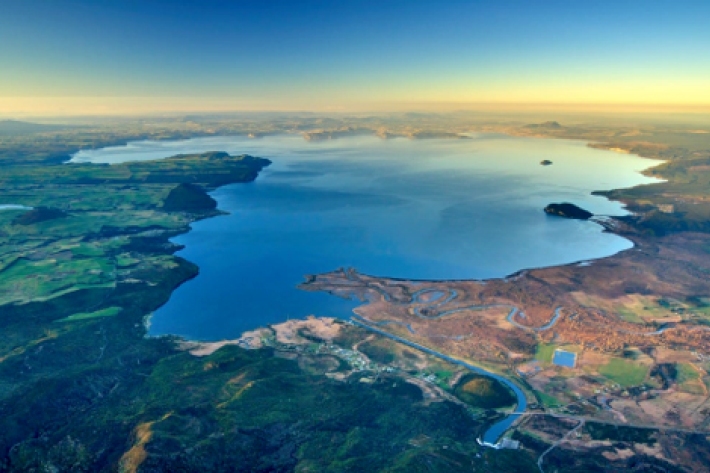
How New Zealand's deep and large lakes reflect and are affected by climate change
Research ProjectA recently completed research programme undertaken by Earth Sciences New Zealand looked at the likely impact of climate change on deep lakes. -
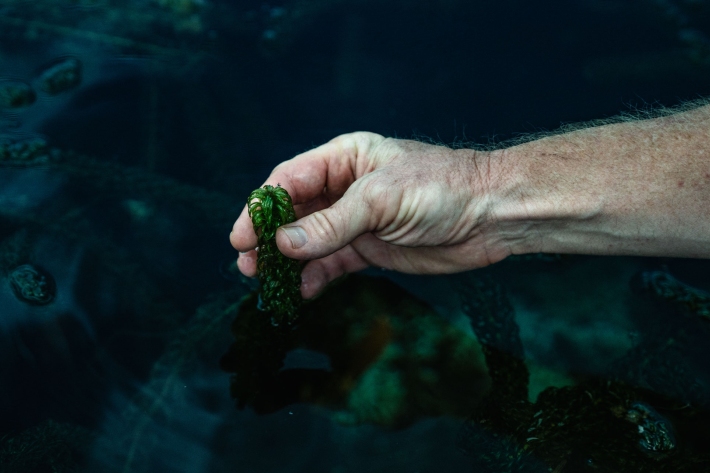
Roto Whakamahu: Degraded lakes restoration using native plants
Research ProjectEarth Sciences New Zealand researchers are studying the optimal growing conditions of aquatic plants to help restore degraded lakes. -

Programme update June 2025
In this update we report on research activities over the last three months in the field, the lab and the development of a new resource.