
Developing models to predict dispersal and establishment, enabling the prioritisation of resources for surveillance and intervention to at-high-risk locations.
Models (hydrodynamic particle transport, intersystem dispersal, and habitat suitability) will be integrated and calibrated, and then used to predict corbicula dispersion for different scenarios, with illustrative maps as outputs.
Sniffing out trouble
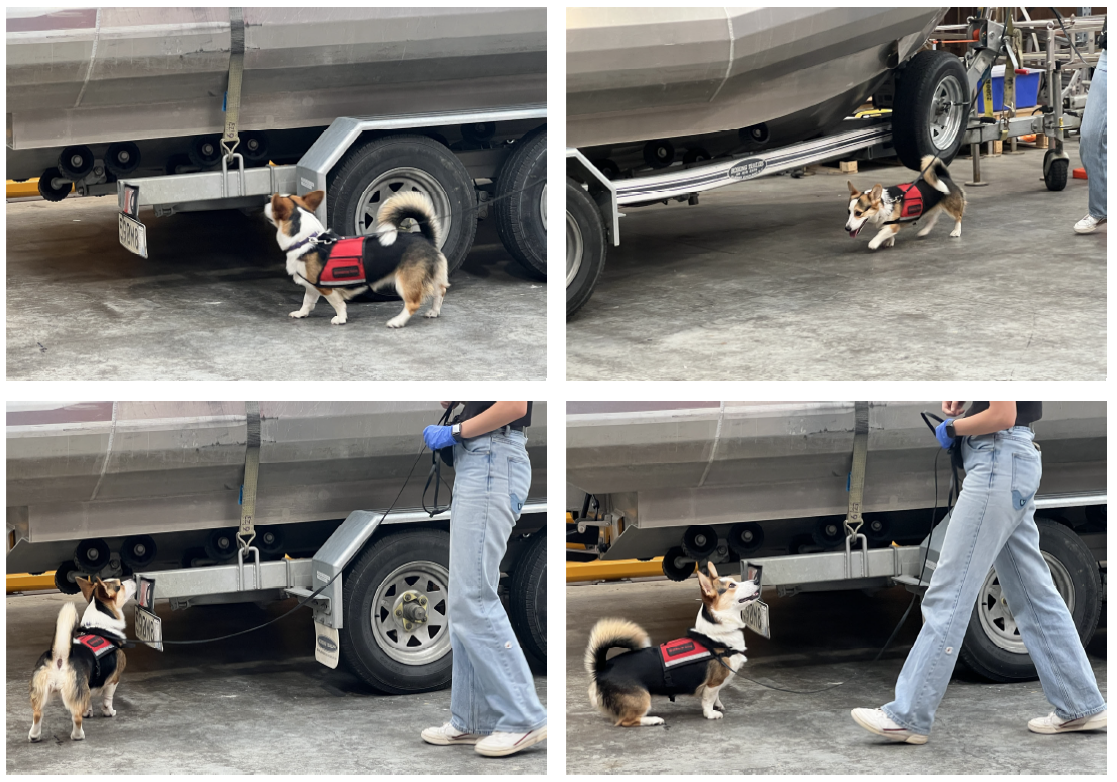
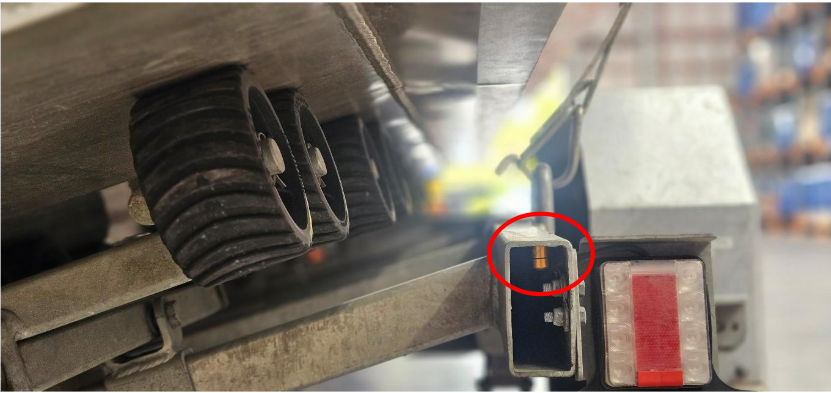
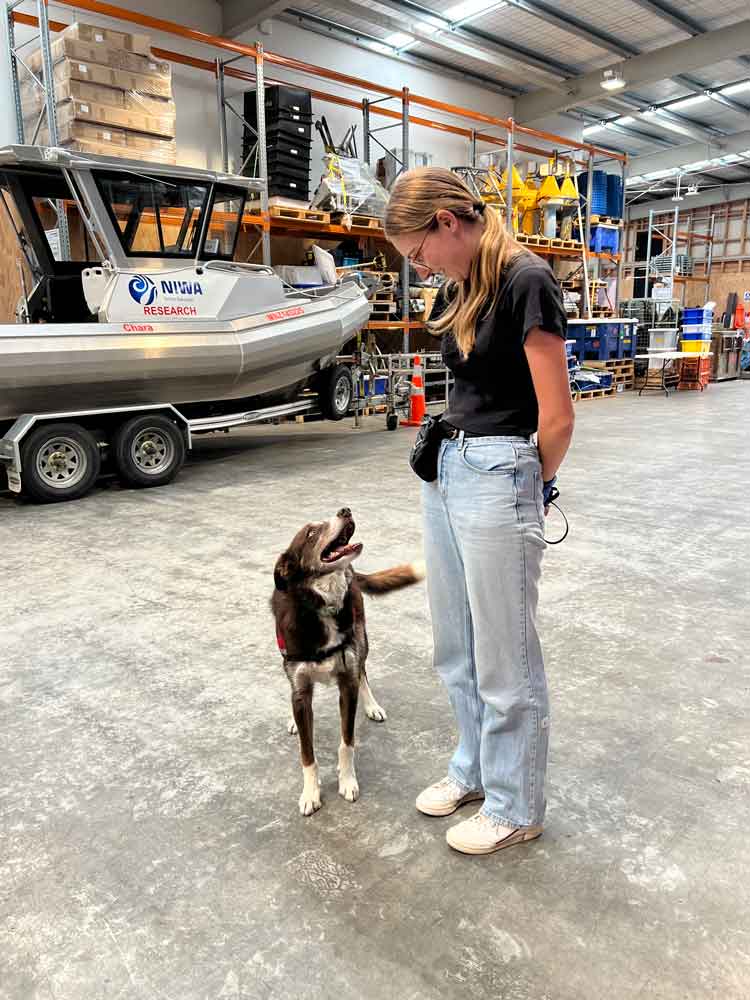
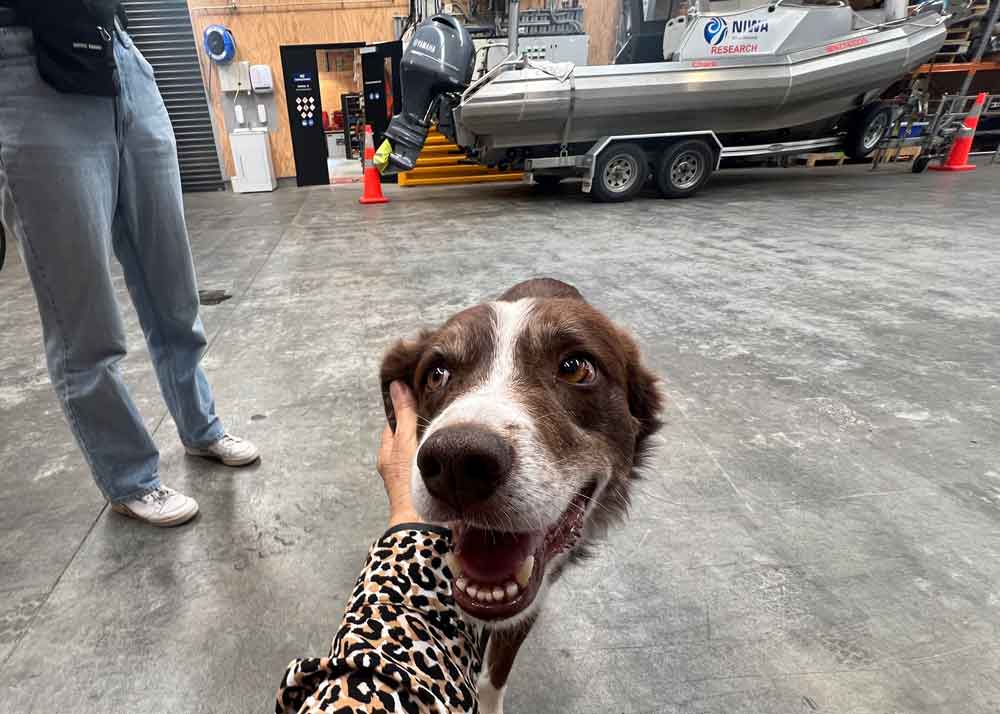
Efforts to detect the invader and stop it spreading outside the Waikato River and Lake Rotomanu, have extended beyond our Earth Sciences NZ labs, with University of Waikato now training detector dogs to sniff out the pest on boats and trailers. The Stopping the gold clam programme is providing guidance, clams and facility support for the scent detector dogs.
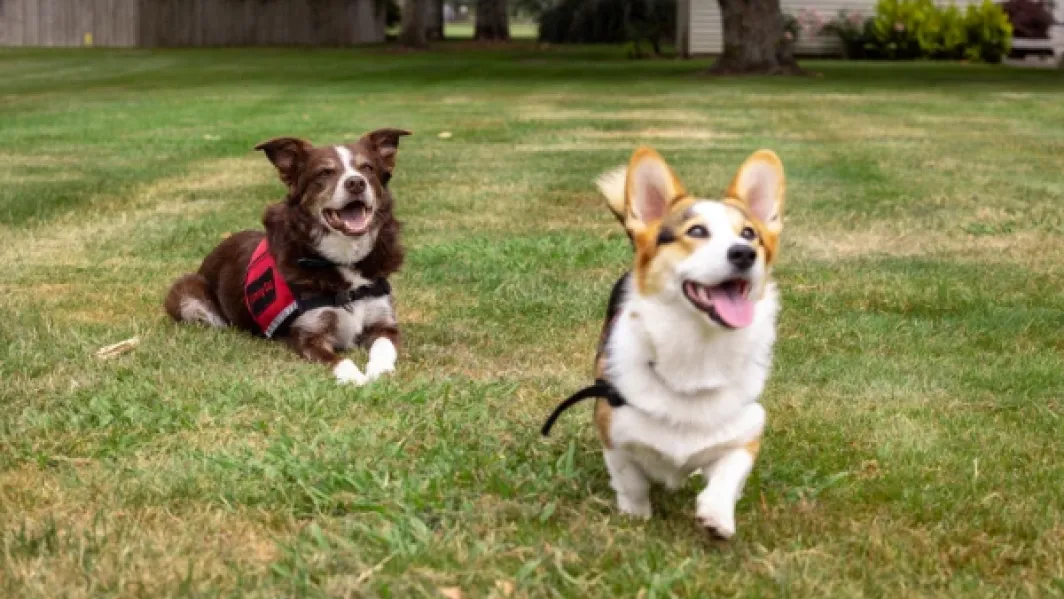
Sniffing out trouble - Scent detector dogs at work:
A programme anchored by mātauranga and partnerships
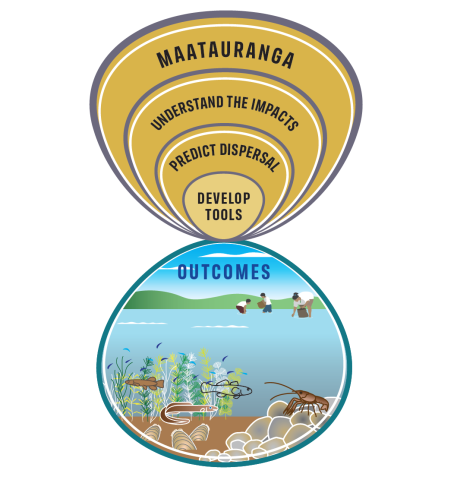
Building relationships between diverse knowledge systems, particularly Mātauranga Māori with scientific research, underpins our work. Our approach is holistic, ensuring that all aspects of the programme are informed by Mātauranga concepts and partnerships, in doing so supporting indigenous perspectives and values in environmental management.