Urban streams are among the most valued and most degraded waterways in Aotearoa New Zealand.
Copper and zinc, washed from roofs, roads, tyres, brakes and urban surfaces, frequently cause exceedance of ecological guideline values and harm aquatic species including taonga such as kākahi, kōura and īnanga.
Traditional treatment systems focus on sediment and stormwater flow, but they are expensive to retrofit and often struggle to remove the toxic dissolved forms of metals. Addressing this challenge will cost billions unless new, scalable, low‑carbon tools are developed.
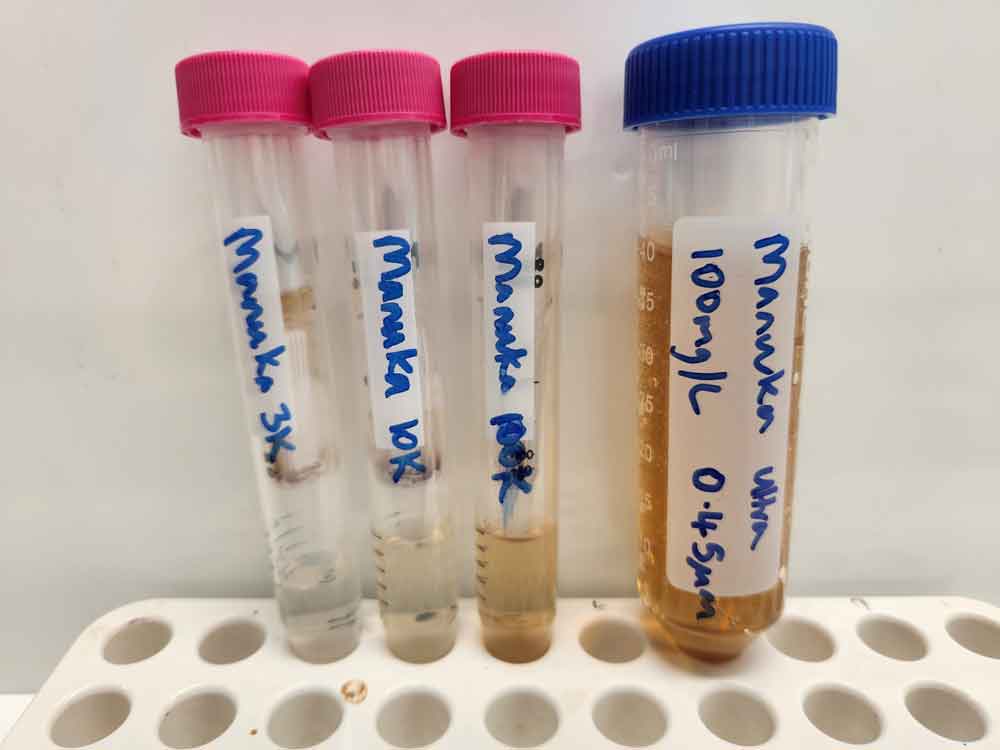
Our Smart Ideas research programme investigates a totally different approach: using dissolved organic matter (DOM) naturally produced by native plants to reduce the toxicity of metal mixtures in freshwater ecosystems.
Why native plants?
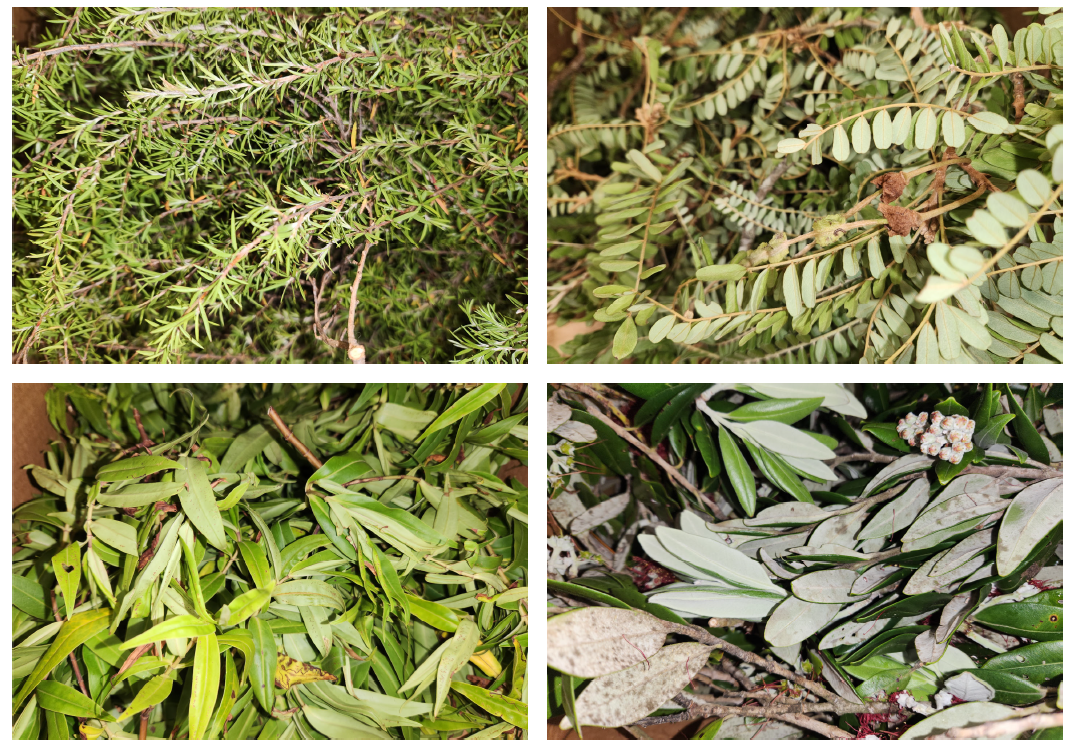
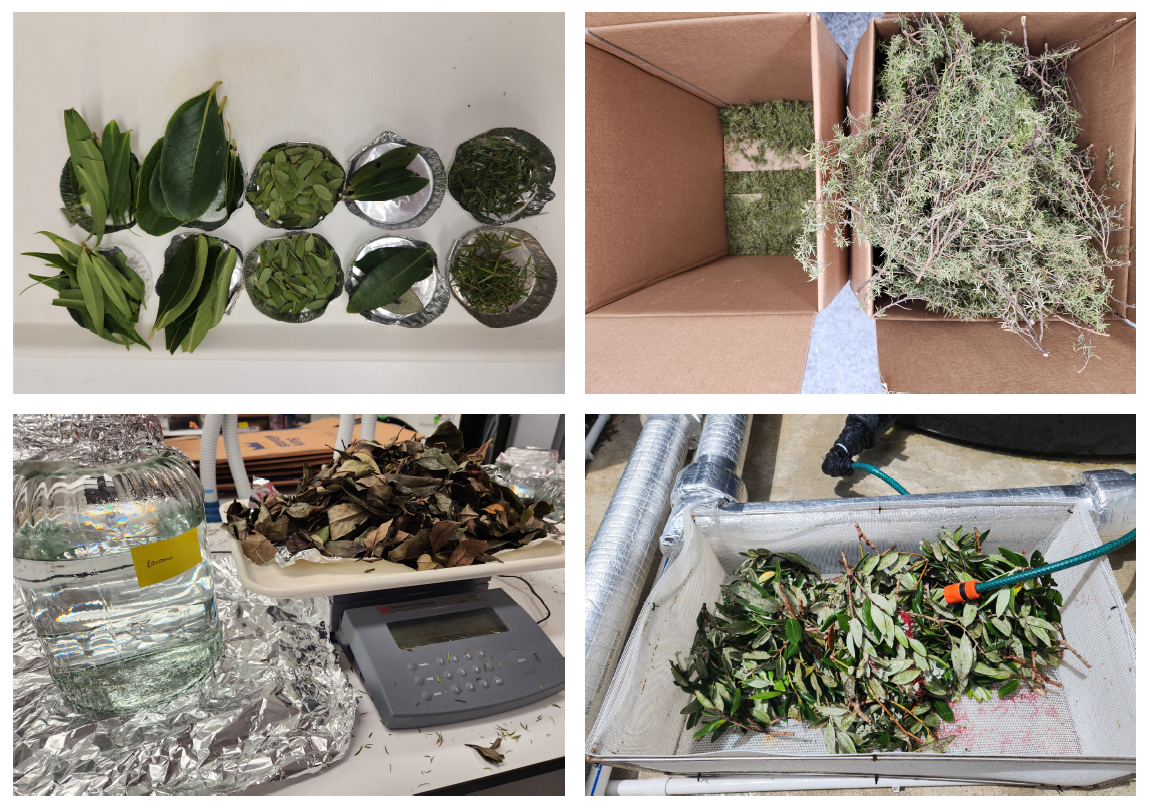
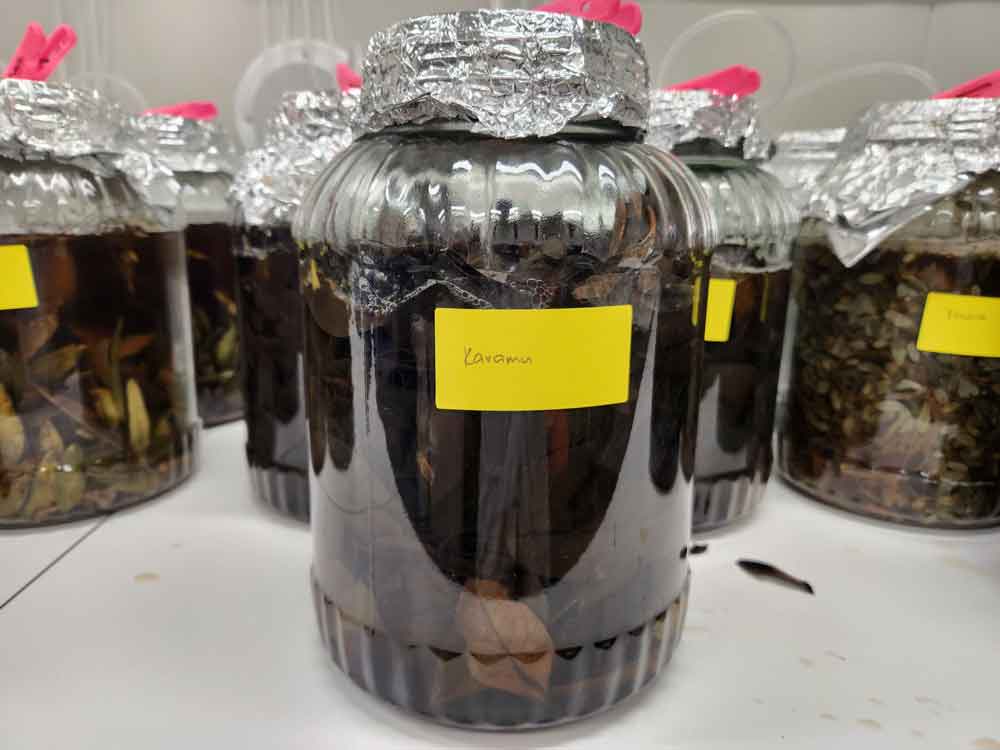
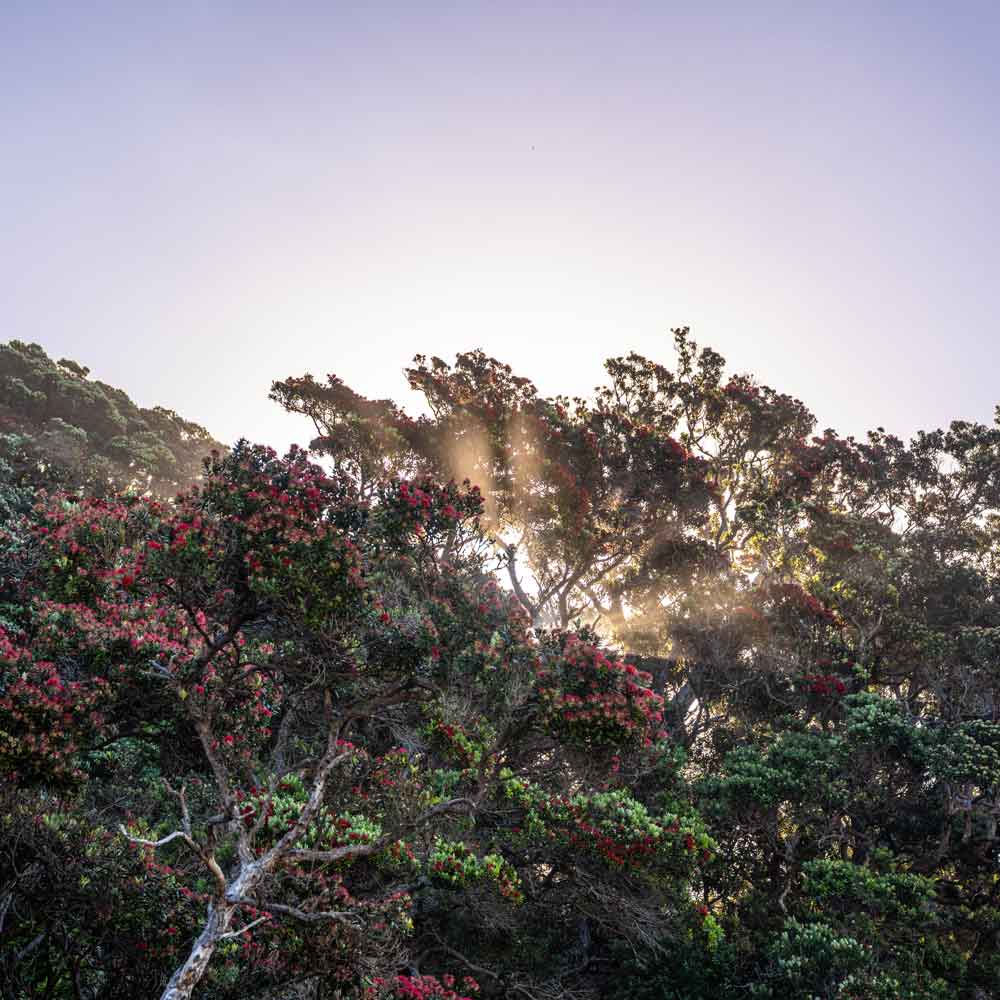
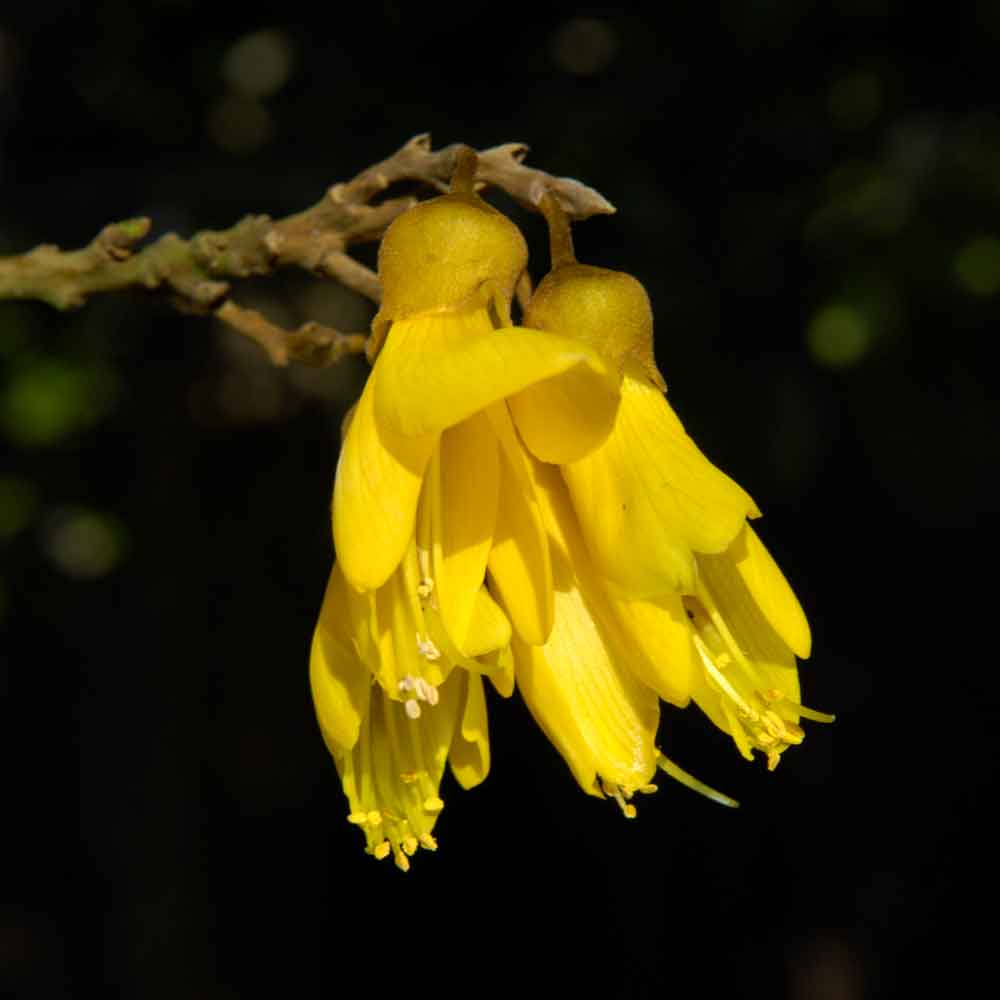
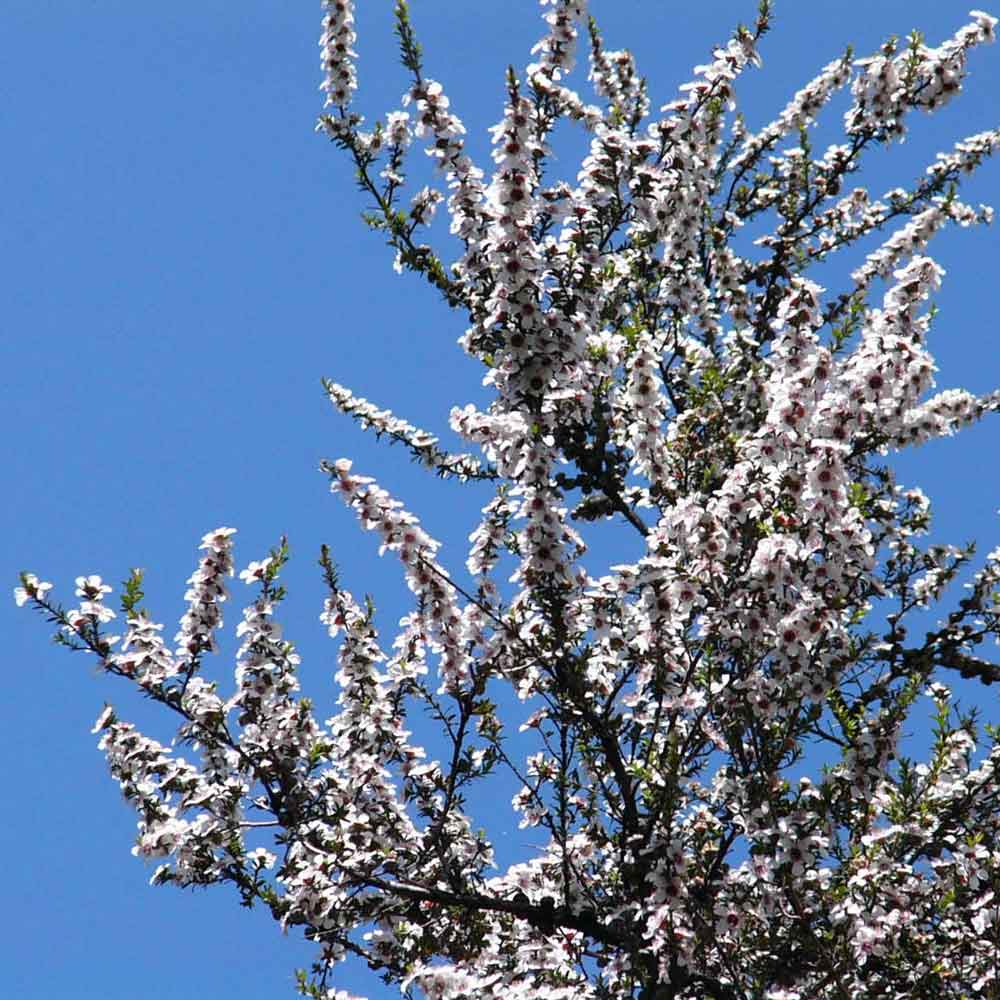
Many of Aotearoa’s indigenous species are “super‑producers” of organic matter. Their leaves release rich, chemically complex DOM when they fall into streams or wetlands. Early NIWA supported research has shown that DOM from several native species - particularly pōhutukawa, mānuka and kōwhai - can significantly reduce copper and zinc toxicity, often outperforming standard reference humic materials.
The research programme
1. Assessing toxicity mitigation through laboratory trials
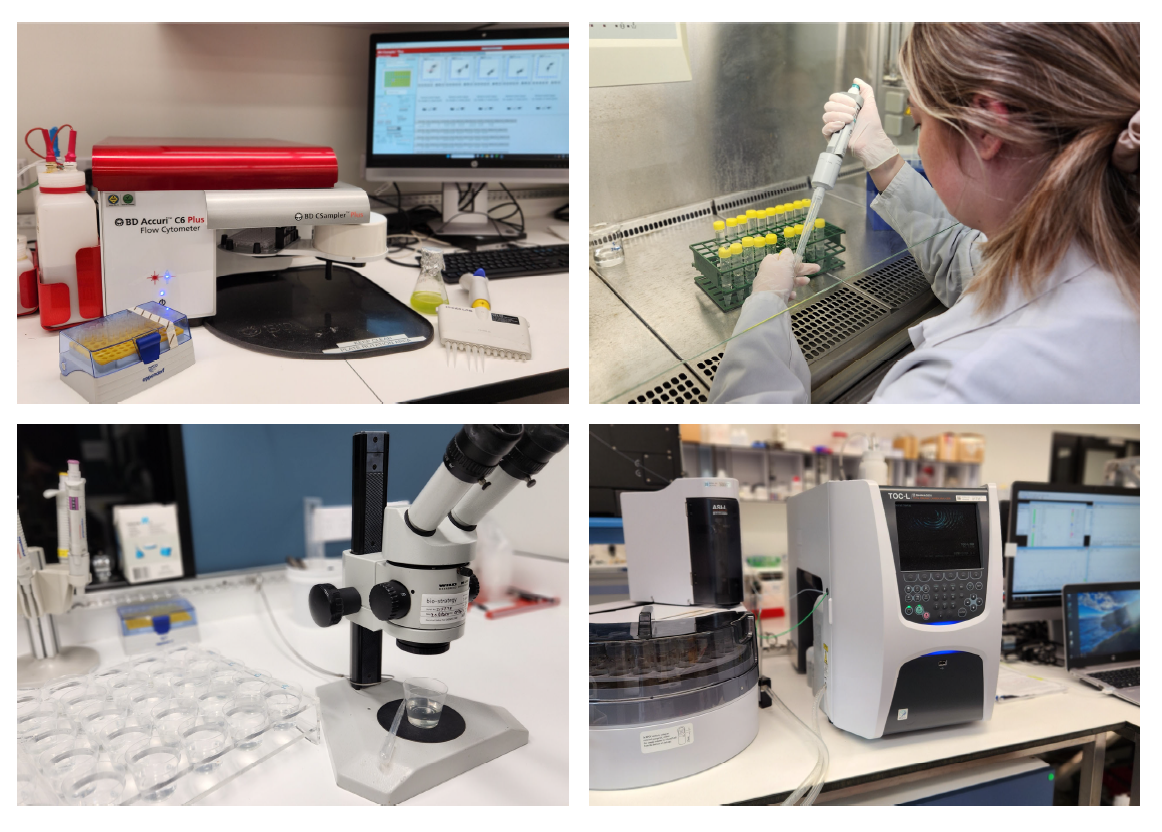
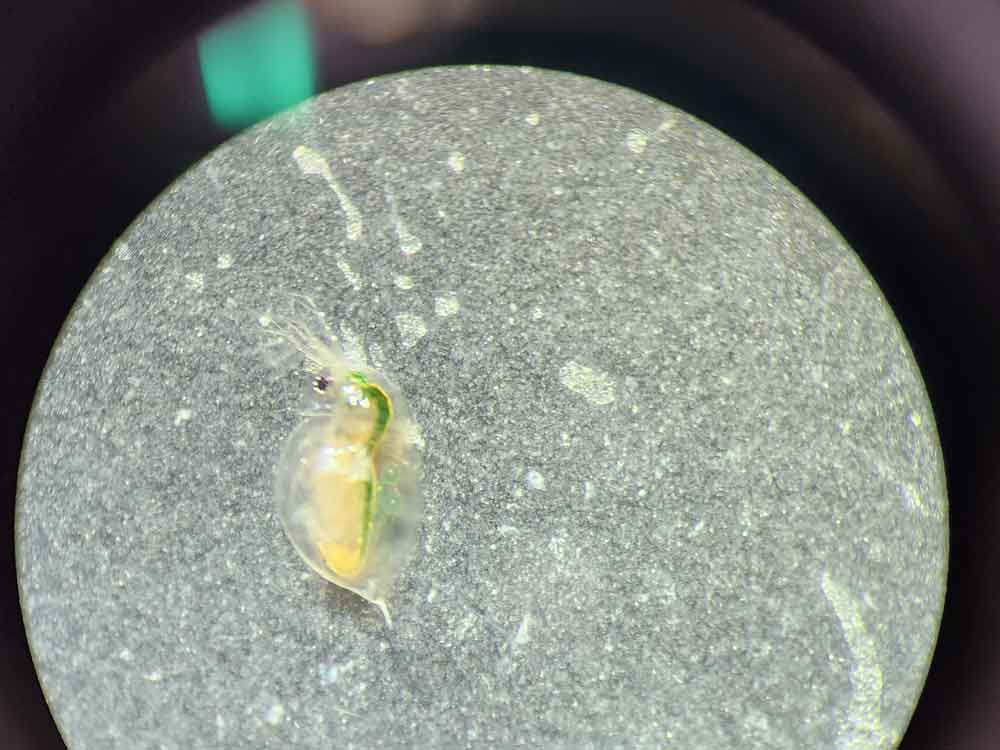
We evaluate the metal‑mitigation performance of native plant DOM using a tiered toxicity‑testing framework. Initial high‑throughput laboratory screening across all plant species identifies those with the strongest ability to reduce copper and zinc toxicity. Selected high‑performing species then undergo full copper and zinc, and Cu:Zn mixture acute and chronic toxicity testing with model and taonga organisms.
This allows us to determine:
• which plant leachates provide the greatest biological protection across diverse taxa
• how DOM reduces metal toxicity under acute (short-term) and chronic (long-term) exposures
• whether DOM influences survival, growth, reproduction, or developmental endpoints
• how toxicity mitigation varies with metal concentrations, DOC levels, and mixture interactions
• which plant species are most effective for nature‑based stormwater and restoration applications.
2. Understanding how native DOM mitigates metal toxicity
We characterise DOM using advanced analytical tools—optical spectroscopy, PARAFAC modelling, LC‑OCD/LC‑MS, titrations and DGT binding assays—to identify the functional groups and molecular structures that bind metals most effectively.
This tells us:
- which plants produce the most protective DOM
- how DOM interacts with metal mixtures
- how pH, DOC concentration, redox and salinity influence binding strength.
3. Developing a DOM-metal-mixture bioavailability model
Current bioavailability models treat all DOM the same, but native plant derived DOM is highly variable. We are building an advanced model that incorporates DOM composition, metal mixture interactions, and aquatic species sensitivities, validated with taonga species.
This will allow end users such as NZTA Waka Kotahi, councils, engineers and iwi to:
- predict how much toxicity reduction a planting or treatment system can achieve
- screen local plant species for metal‑mitigating potential
- design systems that maximise natural detoxification capacity.
4. Designing implementation pathways
We evaluate practical pathways that use DOM to reduce metal toxicity, including:
- riparian planting using high‑DOM species
- roadside or raingarden planting near metal sources
- adding plant material to green‑infrastructure media
- bio‑engineered systems that harness stable DOM–metal complexes
We assess rate of leaf fall, DOM yield, binding kinetics, stability (pH, salinity, light, redox), scalability, and risks such as downstream metal mobilisation. This directly informs design guidance for councils, NZTA Waka Kotahi, asset managers and restoration groups.
Why this matters
A low‑emission, scalable alternative to engineered treatment
Conventional treatments targeting dissolved metals are costly (estimated $6–40B over 50 years) and hard to retrofit. Nature‑based solutions using DOM super-producers:
- are low‑carbon
- integrate easily into planned planting programmes
- complement mātauranga Māori and cultural design
- provide co‑benefits such as erosion control, shade, biodiversity and habitat.
Restoring ecosystem health
By reducing bioavailable metal concentrations, DOM from native plants supports the health and survival of macroinvertebrates (stoneflies, mayflies, caddisflies), native fish and culturally significant taonga species.
Empowering iwi-led design
Through partnership with Ngāti Whātua Ōrākei, mātauranga guides plant selection, test species for toxicity trials, restoration priorities and implementation in rohe-based planting and commercial landscaping programmes.
This recognises Te Mana o te Wai and supports kaitiakitanga, cultural reconnection with waterways and indigenous innovation.
Towards a new generation of nature‑based stormwater solutions
This project lays the scientific foundation for a future where:
- live native plantings are strategically used to reduce metal toxicity
- raingardens and wetlands incorporate DOM‑active plant varieties or leaf/bark amendments
- councils and consultants routinely apply a DOM–metal–mixture model to assess risk and design treatments
- Aotearoa leads the world in biologically and culturally grounded stormwater innovation
As with riparian buffers (Riparian buffers | Earth Sciences New Zealand | NIWA), constructed wetlands (Constructed wetlands | Earth Sciences New Zealand | NIWA), FANS (filamentous algae nutrient scrubbers) and “Rototurf” aquatic plant ‘life rafts’, this work demonstrates how Nature-based Solutions can be engineered to heal degraded aquatic ecosystems.
Project outputs
- MSc student Harrison Keesing thesis: The capacity of dissolved organic matter from native New Zealand vegetation to bind dissolved copper and zinc.
- Shepherd et al (2025) A Collaborative Approach: Using NZ native plant DOM super producers to mitigate metal toxicity [PDF 1.3 MB]
- Thompson et al (2025) Metal Mitigation: Nature based solutions for freshwater management [PDF 4 MB]
- Characterising Native DOM Super-Producers to Feed a DOM-Metal-Mixture-Bioavailability Model [PDF 1.47 MB]
- Shepherd et al (2026) Chronic Copper–Zinc Toxicity to Freshwater Mussel Glochidia Is Strongly Modified by Plant-Derived Dissolved Organic Matter