
New Zealand has one of the most distinctive freshwater fish faunas in the world.
More than half of our native species are found nowhere else, and many, including the whitebait species, tuna (eels) and kanakana/piharau (lamprey), are taonga with deep cultural, ecological and mahinga kai value. They live in everything from alpine tarns and shaded headwater streams to lowland rivers, wetlands and estuaries, and many depend on healthy connections between freshwater and the sea to complete their life cycles.
Knowing which fish live in a waterway is the first step toward looking after them. Traditionally that has meant electric fishing, netting or trapping. These methods are effective, but time‑consuming, can be invasive, and often impractical in larger or deeper systems. Environmental DNA (eDNA) is changing that. By filtering a small volume of water and sending the sample to a lab, we can now detect the genetic traces fish (and a suite of other organisms) leave behind. eDNA is a low‑impact, cost‑effective way to see what's living in a stream, particularly where catching fish is challenging.
This site brings together three resources to help you make the most of both approaches:
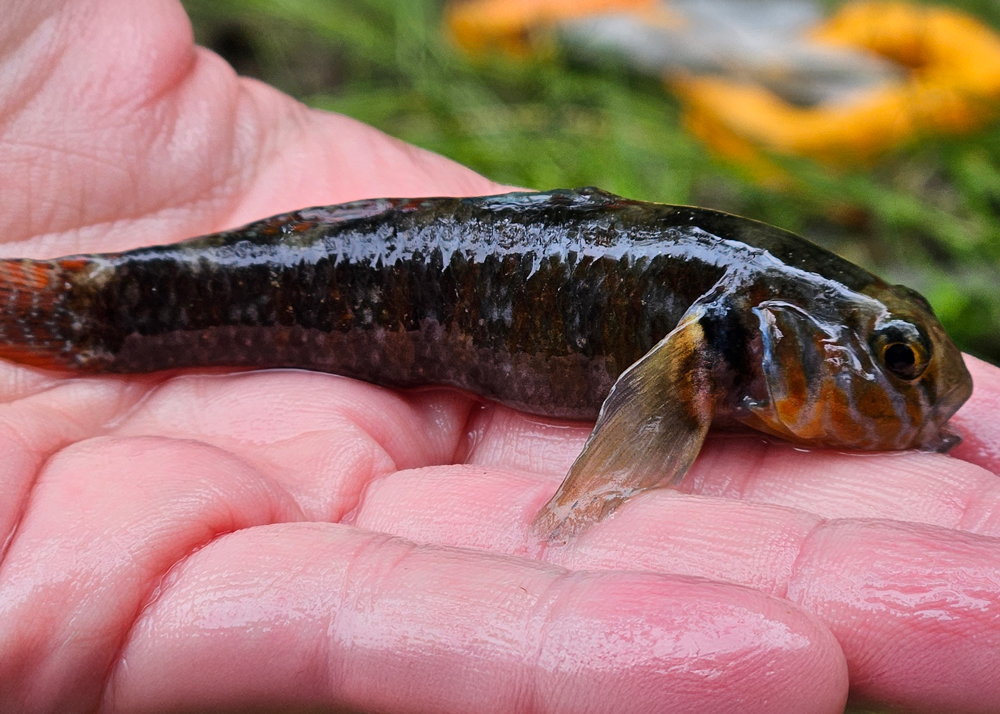
🐟 Fish in pastoral streams
A library of fact sheets covering native and introduced fish most commonly found in pastoral waterways: how to identify species, habitats, needs, and actions to help them thrive. A useful starting point if you've had an eDNA result and want to know about fish in your stream.
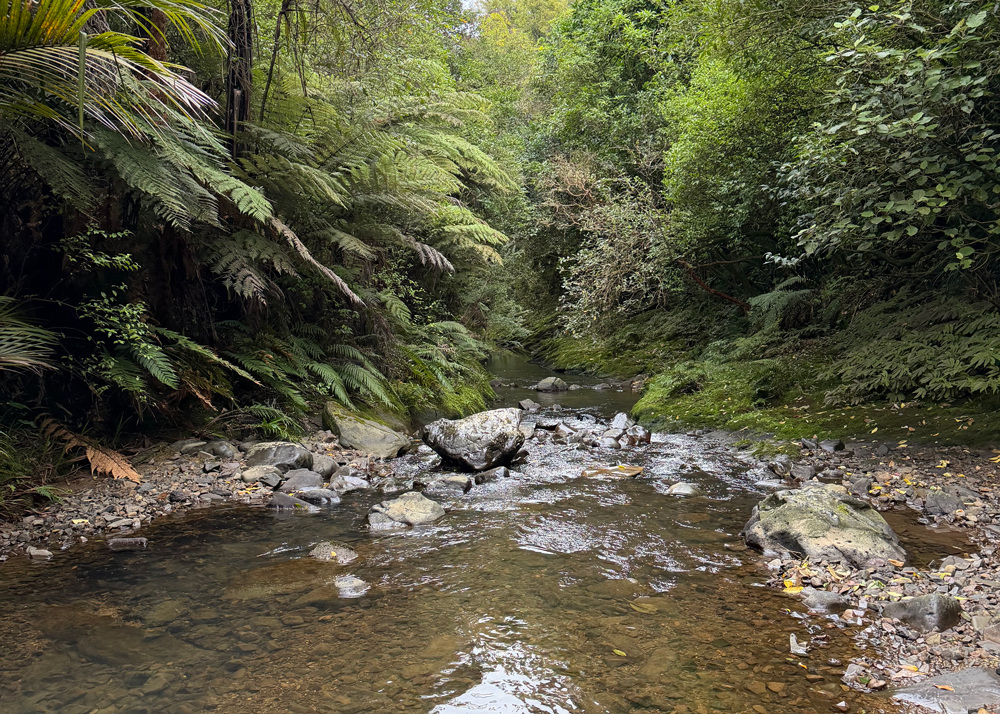
🧪 Using eDNA in your stream
A plain‑language introduction to what eDNA is, what it can and can't tell you, and how to collect a good sample. This includes our national field protocols for flowing streams, developed to give a standardised approach to eDNA monitoring in streams and rivers across Aotearoa.
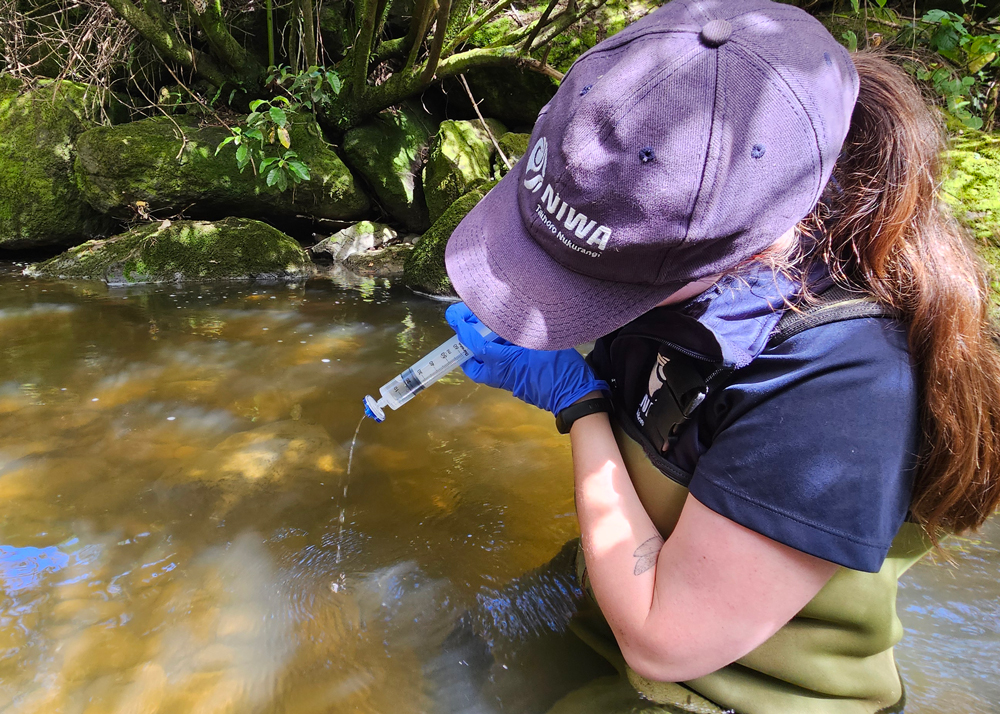
📊 How many replicates do I need?
A decision support tool to match sampling effort to your question. Six-replicates is the national standard for regulatory work or environmental reporting, but a lighter design will often do. Based on research, it helps decide when fewer replicates are usable and when not.