
Gold clam slayers: predators, vectors, or both?
Since their first detection in New Zealand in 2023, Corbicula fluminea (gold clams) have expanded their distribution and increased in abundance.
As populations establish and densities rise, their interactions with native and introduced species are likely to become increasingly important.
However, little is known about how aquatic predators interact with invasive gold clams, including whether they consume them, whether early life stages survive gut passage, and what this may mean for freshwater food webs.
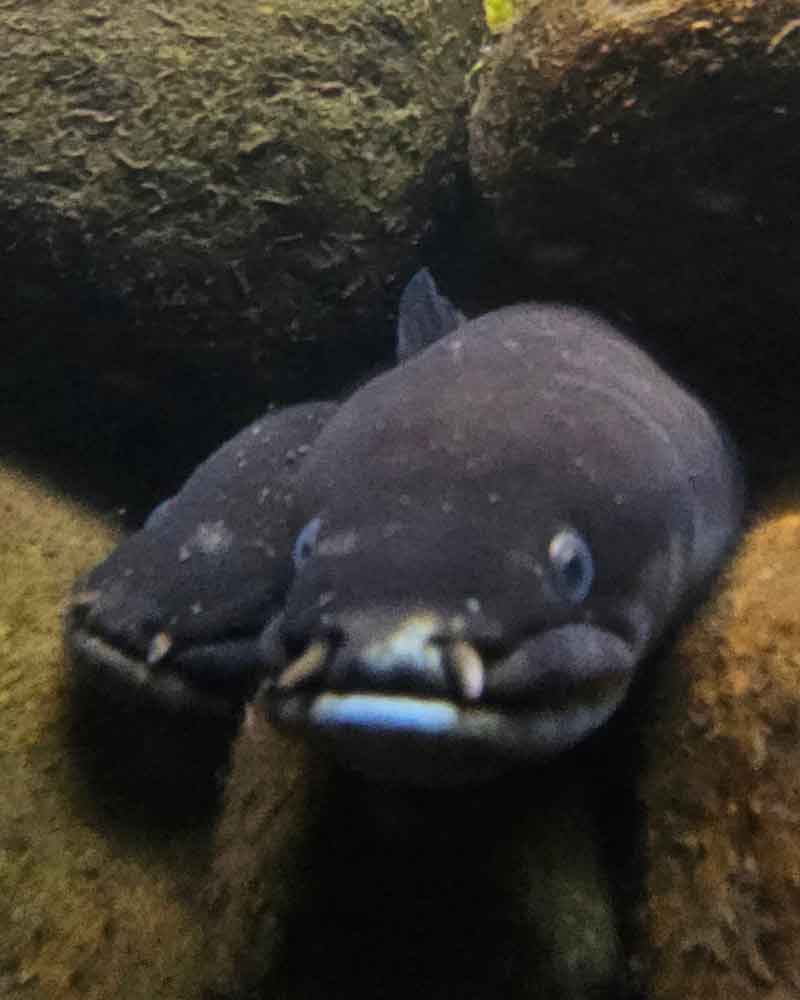
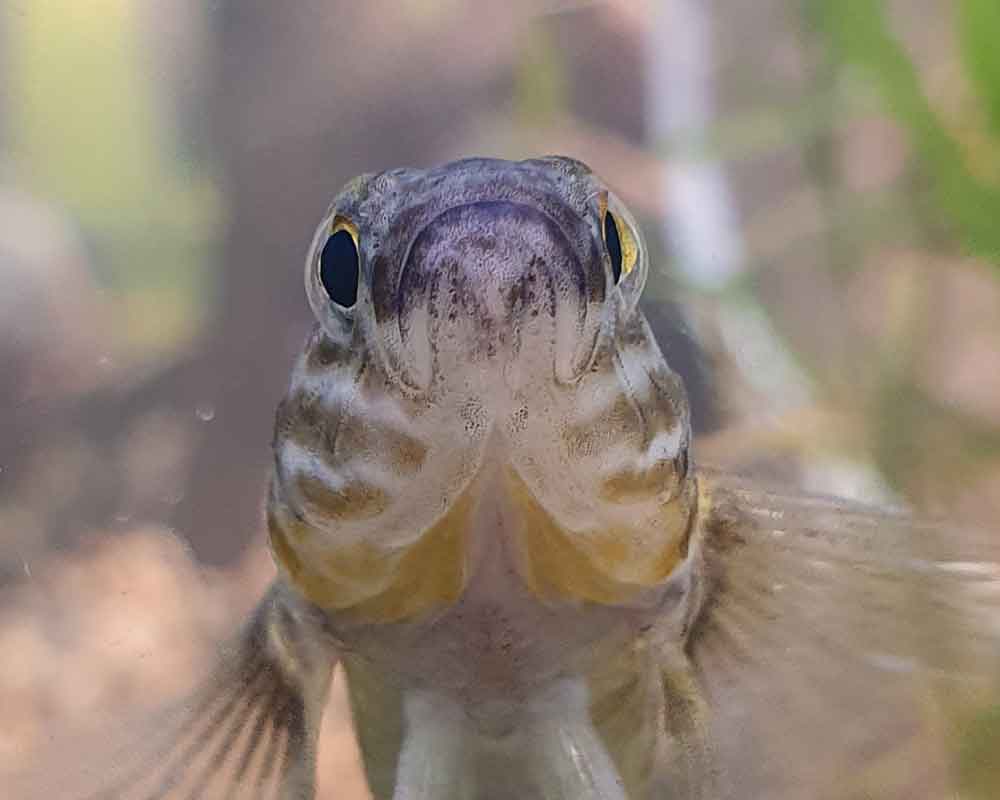
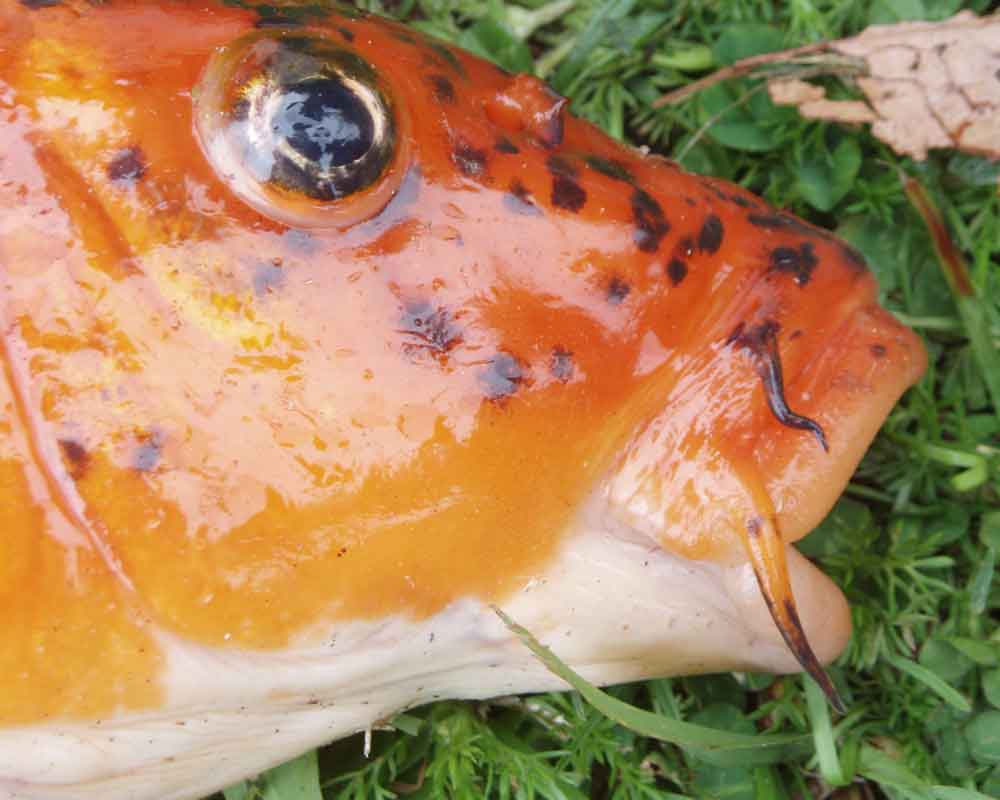
This project will examine whether native and introduced fish consume gold clams, and whether mobile species could also contribute to secondary spread within catchments.
By analysing fish gut contents and applying molecular dietary techniques, this work will clarify whether fish influence clam populations through predation, facilitate their dispersal, or play both roles in invaded freshwater systems.

Part of the Stopping the Gold Clam Endeavour programme: Impact theme
MSc Student: Annabell Logan
University of Waikato supervisor: Dr Nick Ling
Earth Sciences NZ supervisor: Dr Michele Melchior
Trespasser on the menu?
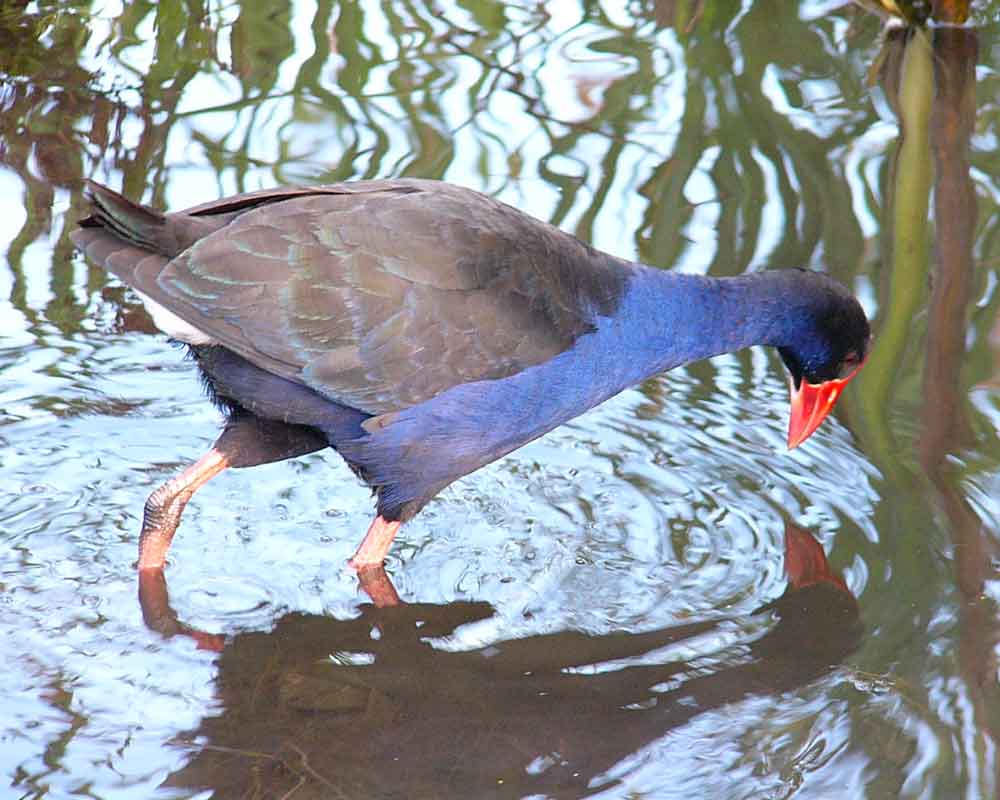
Might pukeko shift to eating clams, especially as they become more plentiful than kākahi?
We know that Corbicula fluminea (clams) have increased in abundance since they were first detected, and we anticipate (based on international literature) that densities of clams could become considerably higher than they already are (i.e., tens of thousands). Will a native bird, the pukeko, start consuming the clams? particularly when they are more abundant than kākahi?
What are the implications for food webs with an increasing clam density potentially supporting greater numbers of pukeko?
Do pukeko prefer mussels or clams? if clams are preferred will this take pressure off the kākahi population?
It is also possible (but outside the immediate scope of this project) that increasing numbers of clams will also become food for other species also known to consume kākahi, such as rats, or other undesirable species.
Indicative methods: likely a combination of target site monitoring using cameras to capture pukeko behaviour in combination with faeces collection for subsequent microscope and molecular analysis to confirm dietary contents.

Part of the Stopping the Gold Clam Endeavour programme: Impact and Predict themes
MSc Student: Michelle Exton
University of Waikato supervisors: Dr Ian Duggan and Dr Juli Gaviraghi Mussoi