Shaun Williams is a Natural Hazards Scientist and manages the Environmental Hazards group at Earth Sciences NZ. He has expertise in multi hazard risk assessment, disaster risk reduction, early warning and decision-support systems as well as Pacific development strategy, where he plays a key role in shaping Pacific engagement through strategic planning and coordination.
He has led or contributed to information tools development and capacity-building initiatives in Aotearoa NZ and Pacific Islands region; all of which focus on strengthening local technical capacity as well as fostering adaptation and resilience solutions. Shaun also served as Leader of the WMO Region 5 (SE Asia and SW Pacific) Expert Team on Multi Hazard Early Warning Systems (2022-2025) and has been nominated as Leader for the WMO Region 5 Expert Team on Disaster Risk and Resilience (2026-2029).
Where did you grow up?
I grew up in Apia, Samoa’s capital on the island of Upolu, and moved to Ōtautahi Christchurch in 2007. Childhood was outdoors mostly: ocean, plantations and machetes, extended family, school, sports, church, and cyclones. The latter gave me an early appreciation for how closely we live with the natural environment, and how quickly that environment can change. I didn't know it at the time, but those were the first lessons of my career.
Can you describe your career journey and what led you to Earth Sciences New Zealand?
My career started in 2003 as a scientific officer at the Samoa Meteorology Division, where I worked on climate data before stepping into the Section-Head role for Geophysics a year later. Living and working through that period shaped a lot of what I do now. I came to Aotearoa for postgraduate study at the University of Canterbury, completing a Masters and PhD in Hazard and Disaster Management, and joined NIWA in 2015 as a natural hazards scientist. I've been with the organisation through its evolution into Earth Sciences New Zealand, most recently as Group Manager for Environmental Hazards. The thread through all of it has been the same –applied science that helps Aotearoa and Pacific communities make better decisions in the face of natural hazards.
Is there a Pacific project or initiative that stands out to you and why?
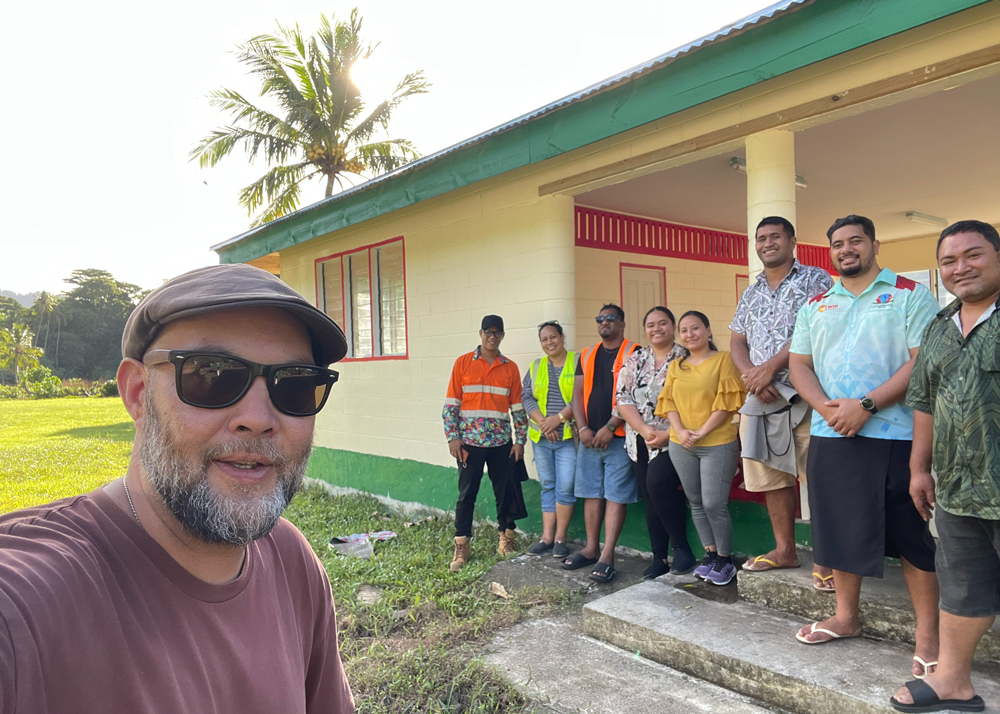
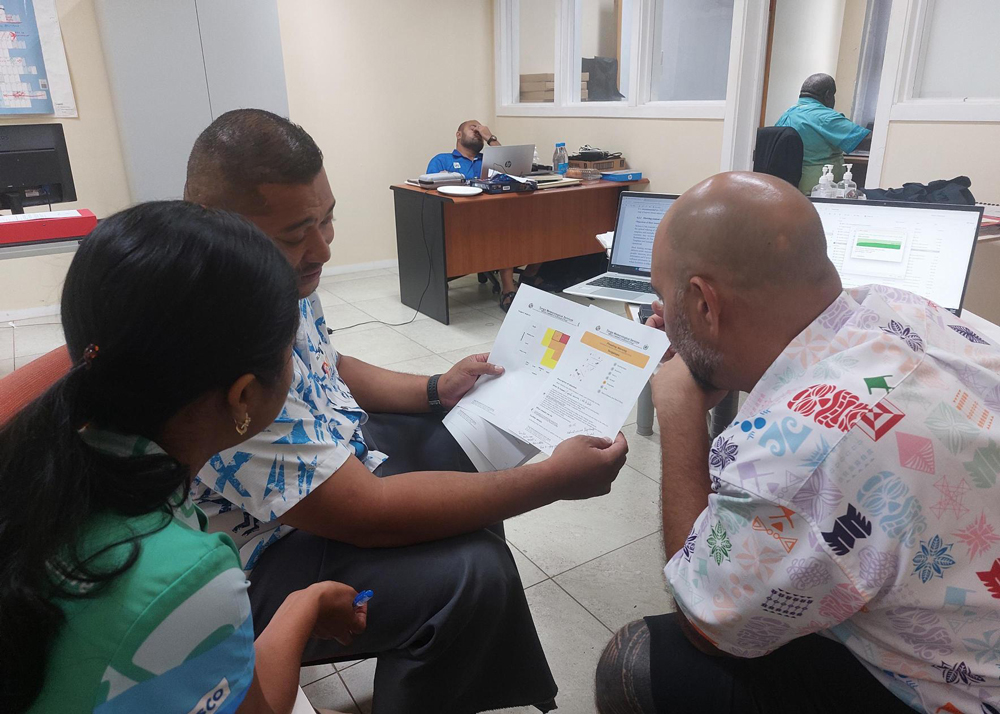
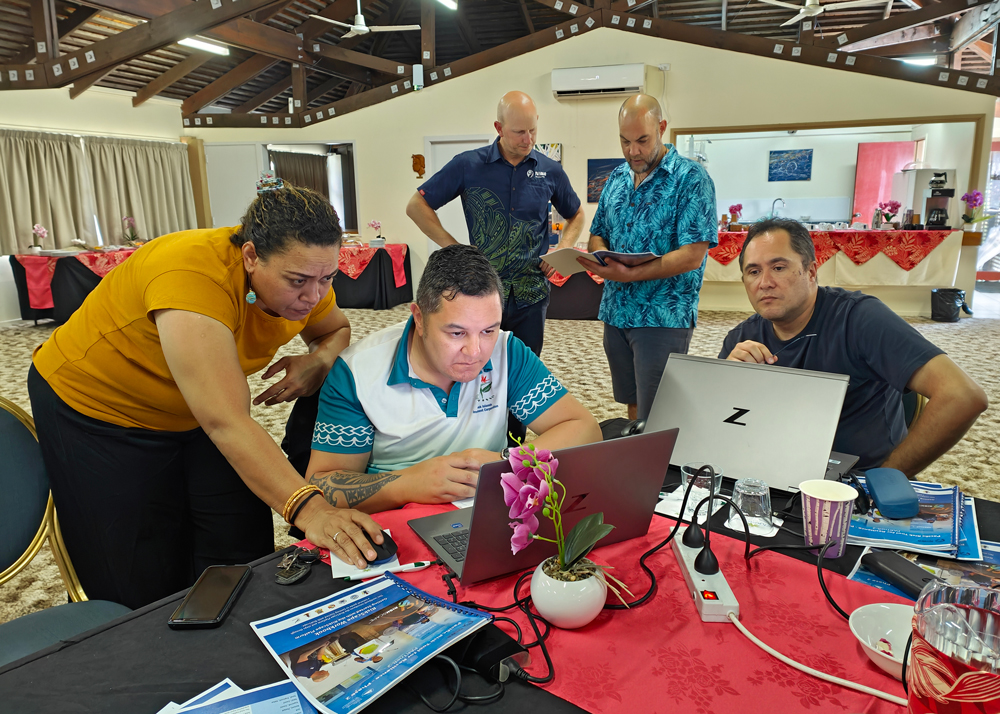
There are many, but one which I have been deeply involved with shortly after joining NIWA and which resonates strongly with me is the Pacific Risk Tool for Resilience (PARTneR) programme. It started in 2016 as a partnership with MFAT, the Pacific Community (SPC) and Pacific government agencies to bring risk modelling capability into the hands of decision-makers across the region. Phase 1 pilot ran through to 2019, focused on co-developing the tool and embedding it in a handful of partner countries. Phase 2 and 2+ have run from 2021 and continue through 2026, expanding both the technical sophistication of the modelling and the number of Pacific nations actively using it for their own planning. We're now scoping Phase 3, which would run from 2027 to 2031 if approved, and would deepen the work even further.
What stands out to me isn't any single phase — it's the continuity and long-term programmatic approach of PaRTneR. Nearly a decade of working alongside the same partners, watching national teams take genuine ownership of the science, and seeing risk information move from external reports into in-country decision-making processes. That kind of long-arc partnership is rare in development work and it's where the real impact lives. PARTneR is also a good reminder that the most meaningful Pacific projects aren't measured by what we deliver on the day — they're measured by what's still alive between us, years later.
What makes you excited to come to work in the morning?
The mix of people, places and problems. On any given week I might be working on flood early warning systems in the Pacific, coastal inundation risks to taonga sites here in Aotearoa, and team leadership challenges within ESNZ — and the through-line across all of it is that the science actually matters to someone's life. I also genuinely enjoy the people I get to work with — both colleagues here and partners across the Pacific. Good, impactful science is rarely a solo activity, and the collaborative side of the work is what keeps it interesting morning after morning.