-

Wave hazard research
Research ProjectNIWA collects wave data, develops and verifies wave forecasting systems, and is developing and producing wave projections. -
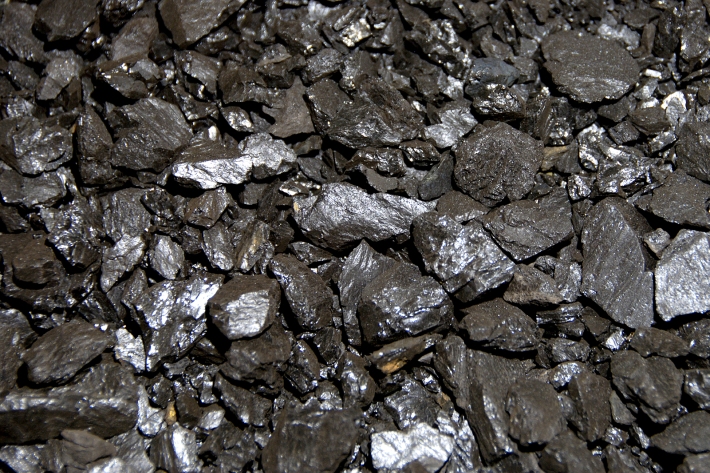
Chemical contamination and mining
What are the potential sources of chemical contamination from mining activities? -
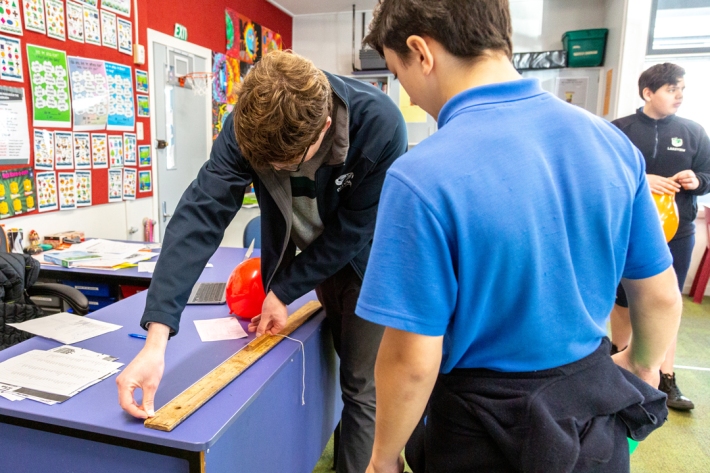
Resources for teachers
NIWA's educational resources and scientific data are tools for young people to learn about science. -

Mountains in the Sea: the Louisville Seamount Chain
We are currently steaming out towards our survey area, the Louisville Seamount Chain, which is about 1500 km from Wellington. -
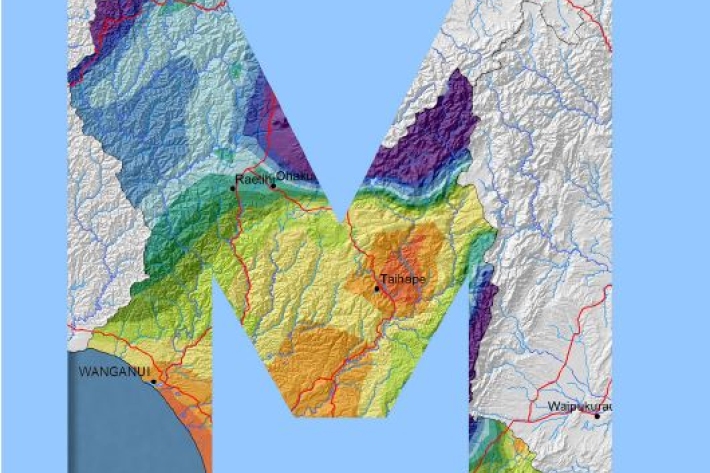
Manawatu-Wanganui
The climate of the Manawatu-Wanganui region is a reflection of the generally disturbed westerly air flow with interspersed anticyclones, modified in specific places by the local topography. -
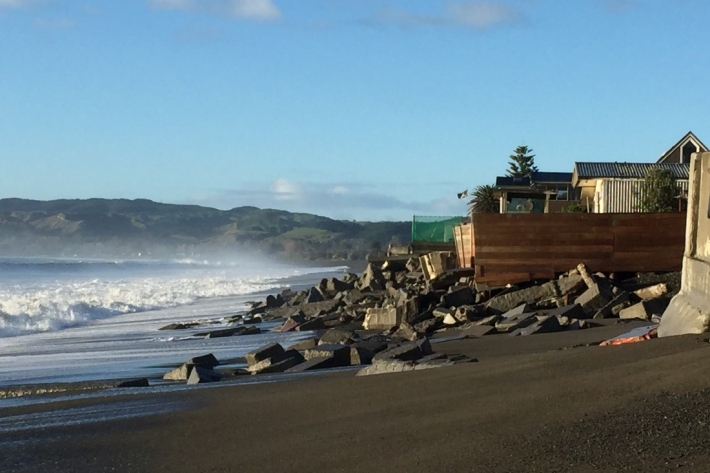
Sea level observations (near real-time)
ServiceThis system combines daily sea-level data from NIWA, regional councils, port companies, Antarctica NZ, Bureau of Meteorology and territorial authorities. -

Algal monitoring service
ServiceBlooms of hazardous cyanobacteria (blue-green algae) in rivers, lakes and reservoirs can cause problems for both animal and human health. -
What is the greenhouse effect?
Education ResourceThe greenhouse effect is a warming of the earth's surface and lower atmosphere caused by substances which let the sun's energy through to the ground but impede the passage of energy from the earth back into space. -
Tuna - freshwater eels in New Zealand
Tuna is a generic Māori word for freshwater eels. The word will be used interchangeably in this resource. -
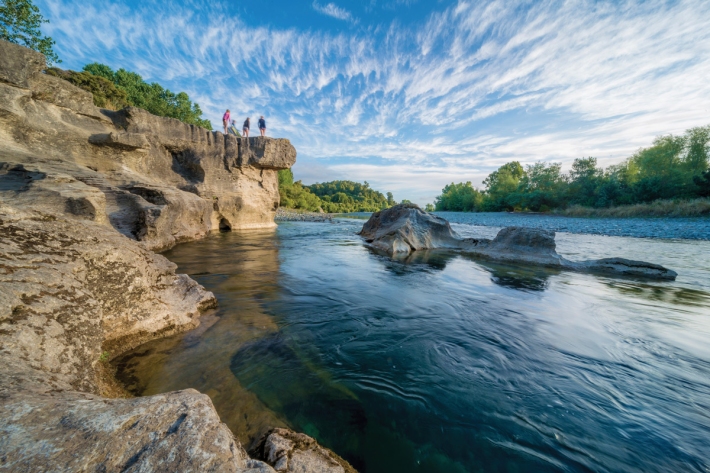
Stepping into the river
Feature story06 June 2017NIWA discusses, in depth, this year's most asked question—what is happening to our fresh waterways?