-

Cropping activities
The land used to produce crops is usually flat to gently rolling so it can be tilled, sowed, and harvested. -
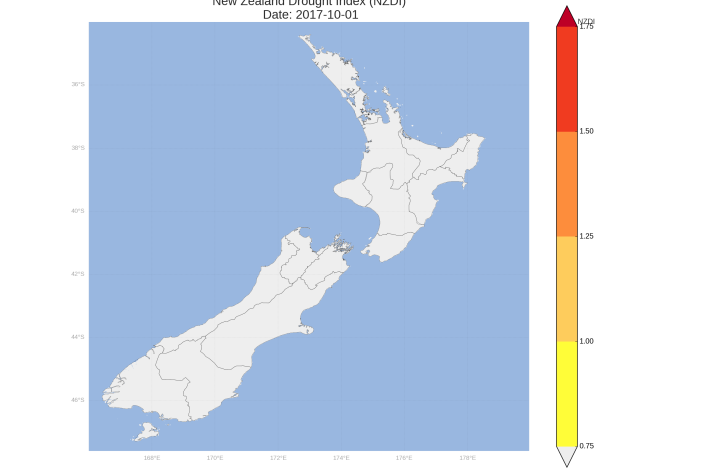
New Zealand Drought Monitor
ServiceThe New Zealand Drought Monitor is a system for keeping track of drought conditions across New Zealand based on a standardised climate index. -
Sediment and forestry
How may forestry activities increase sediments in waterways? -
Tuna aquaculture - New Zealand
New Zealand's first eel farm was established in 1971. Despite other farms opening in later years, no eel farms remained by the start of the 1980s. -
13 Beach types
Learn about different kinds of beachs and how they form, with diagrams and examples of each type. -
Tornadoes in New Zealand - FAQs
Education ResourceSome commonly-asked questions about tornadoes in New Zealand. -
Climate mapping
Read about how NIWA can map any aspect of climate to help guide your organisation's response to a changing and variable climate. -
Estimated bycatch
View data that show reported target catch and estimated bycatch. -
Mitigation and best practice options
Some simple steps to minimise the effects of mining activities on water quality and mahinga kai. -
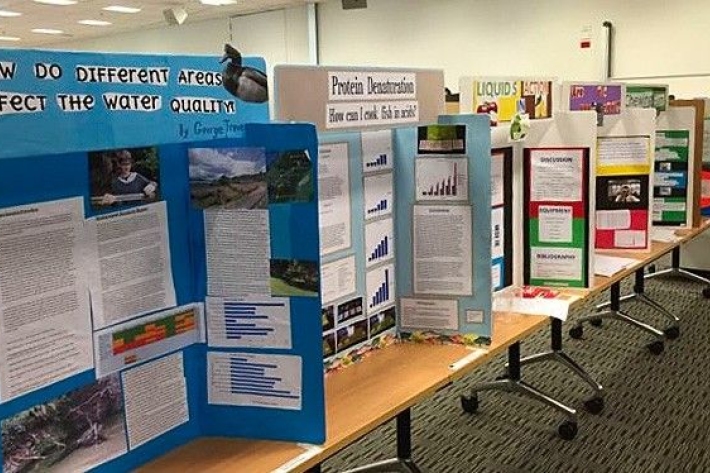
Science and Technology Fairs
NIWA is a major sponsor of the Auckland, Manukau City, North Harbour, Waikato, Wellington, Canterbury and Bay of Plenty – Science & Technology Fairs. -
Weather plots: temperature and relative humidity
Objective: to observe the relationship between temperature and relative humidity. -
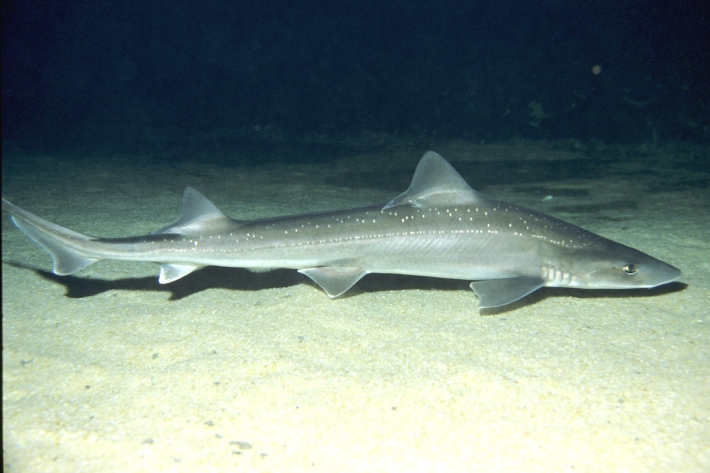
Rig shark
Research ProjectRig shark is an important inshore commercial fish species in New Zealand, and we need to understand more about their habitats, movements, nursery grounds and vulnerability to human impacts to ensure they are managed sustainably and their productivity is enhanced.