-
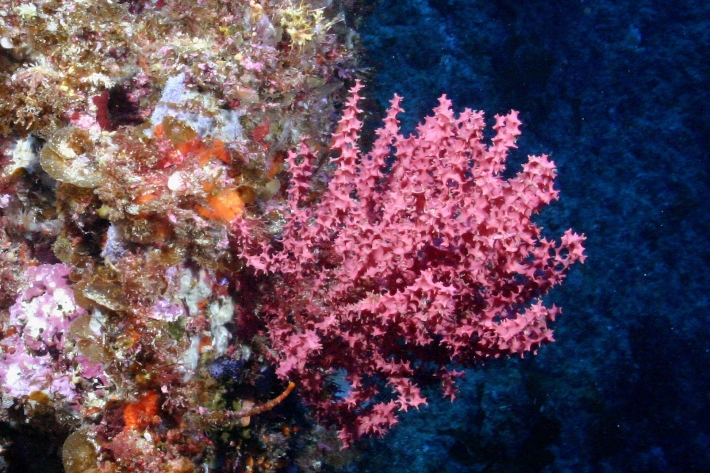
Splendid Sponges
An interactive guide to the sponges of New Zealand. -

Map Alpine
Education ResourceMountainous areas are subject to heavy snowfalls, high winds, and low temperatures. Semi-permanent snow and ice fields exist at about 1000-1100 metres during winter. -
Tuna
Tuna or freshwater eels are a very significant, widely-valued, heavily-exploited, culturally iconic mahinga kai resource. -
Seafood sector
NIWA's seafood sector work comprises our fish, fisheries and aquaculture research and consultancy. -
Tornadoes - how frequently do they hit New Zealand?
News article06 June 2017Tornadoes, like the one that hit Auckland's western suburbs today, are relatively rare events in New Zealand. -
Coralline Algae
This identification guide covers the common crustose coralline algae found in central New Zealand. -
Water clarity
Water clarity or turbidity is the cloudiness or haziness in a fluid caused by individual small particles (suspended solids). -
Impacts of hydro
Impacts of hydro-electric activities on water quality and mahinga kai. -
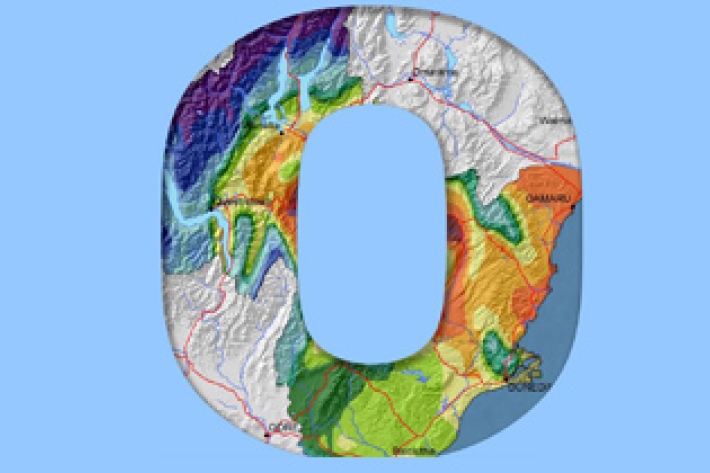
Otago
The climate of Otago is perhaps the most diverse of any region in New Zealand. -
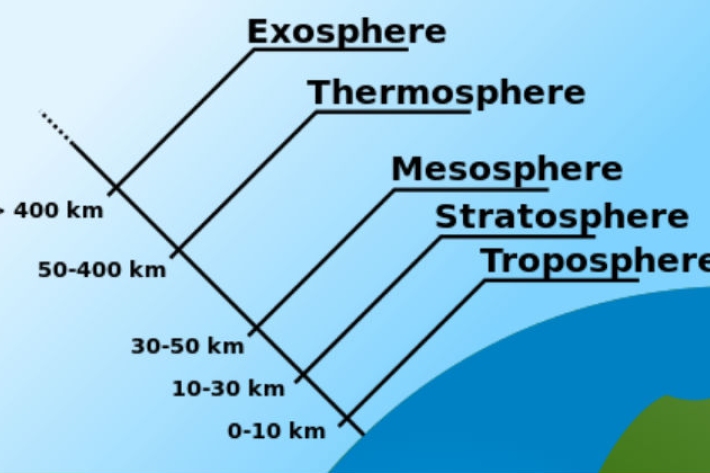
Layers of the atmosphere
Education ResourceThe atmosphere is comprised of layers based on temperature. These layers are the troposphere, stratosphere, mesosphere and thermosphere.