-
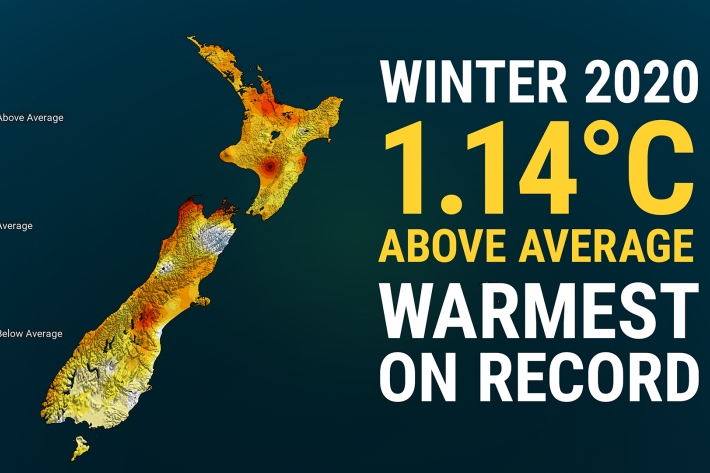
Winter 2020 – NZ’s warmest winter on record
Media release06 June 2017New Zealand has just experienced its warmest winter on record, according to official NIWA climate data. -

“Very rare find” of ghost shark hatchling
Media release06 June 2017NIWA scientists have made the rare discovery of a days-old ghost shark during a recent survey off the east coast of the South Island. -
Urbanisation
Aotearoa’s main urban areas cover approximately 2% of total available land. -
Education and information
Education ResourceExplore our education and information section to find out about climate and climate change, weather, our atmosphere, estuaries and more. -

Biological limitations
Identifying biological factors that may be limiting fish numbers requires sampling to ensure that key invertebrate prey species are not scarce and that pest fish, especially predators, are not abundant. -
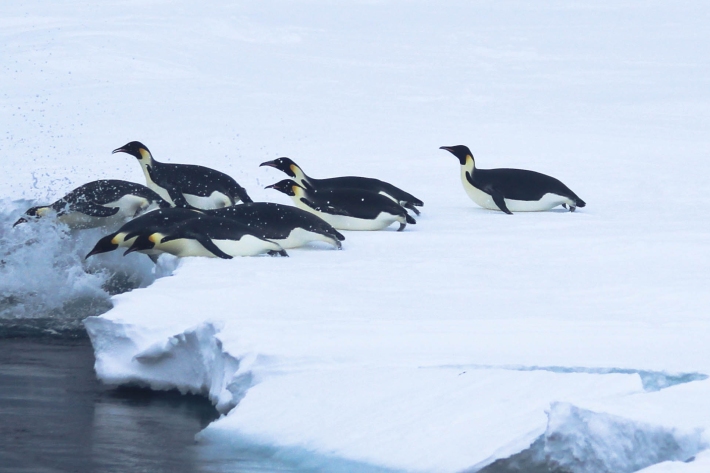
Emperor penguin foraging behaviour revealed
Media release06 June 2017An unavoidable delay in a research ship’s voyage to Antarctica resulted in some surprising and important findings about the behaviour of emperor penguins. -
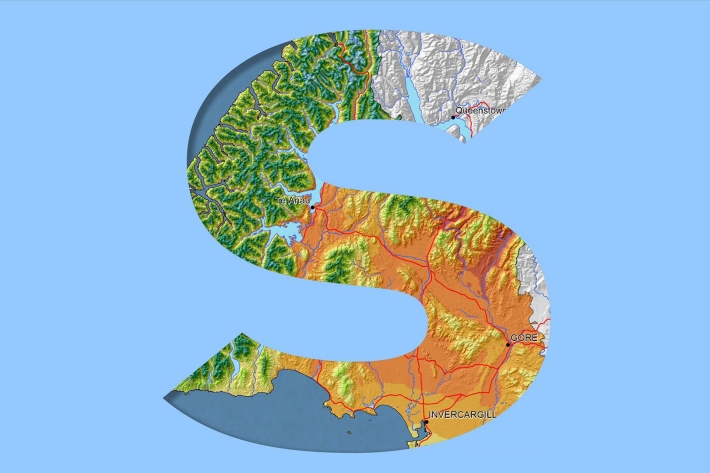
Southland
Southland is both the most southerly and most westerly part of New Zealand and generally is the first to be influenced by weather systems moving onto the country from the west or south. -
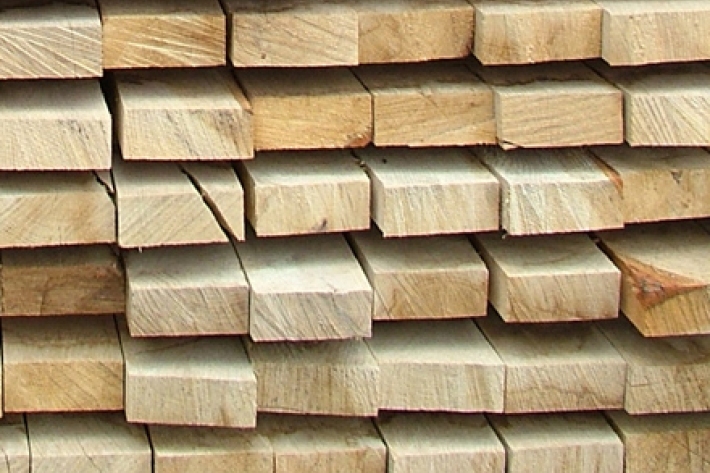
Wood processing
Trees are grown and converted into a range of useful timber and paper products. -
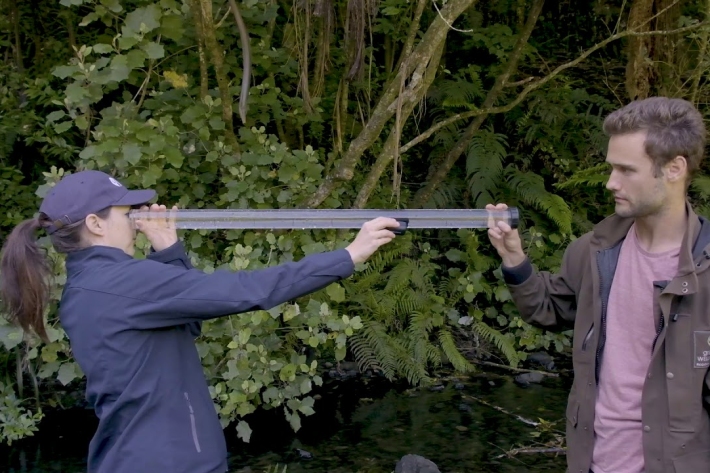
SHMAK water quality – visual clarity
There are two methods to determine visual clarity in SHMAK; the clarity tube (or SHMAK tube) and the black disc method. -
Summer Series Week 4: Know your shells
News article06 June 2017If you're collecting sea shells at the beach this summer and wondering what they are, NIWA is here to help. -
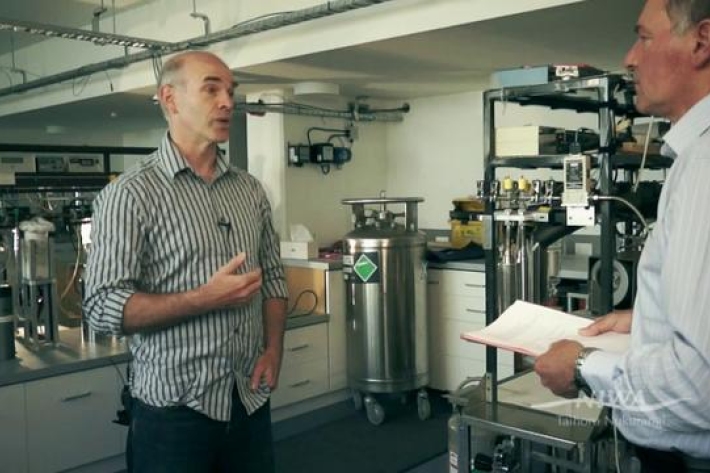
What is Ocean acidification?
NIWA oceanographer Dr Cliff Law explains the impacts of ocean acidification on organisms that use carbonates to build their shells, and on bacteria.