-
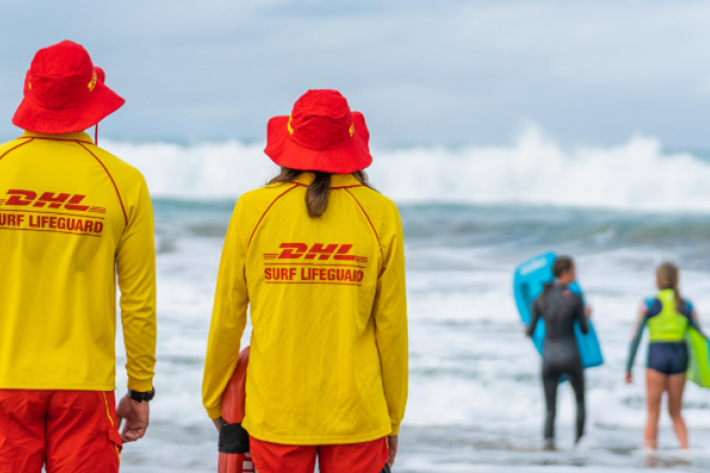
Identifying rip currents using artificial intelligence
Research ProjectNIWA and Surf Life Saving New Zealand are working together to develop a state-of-the-art, rip current identification tool. -
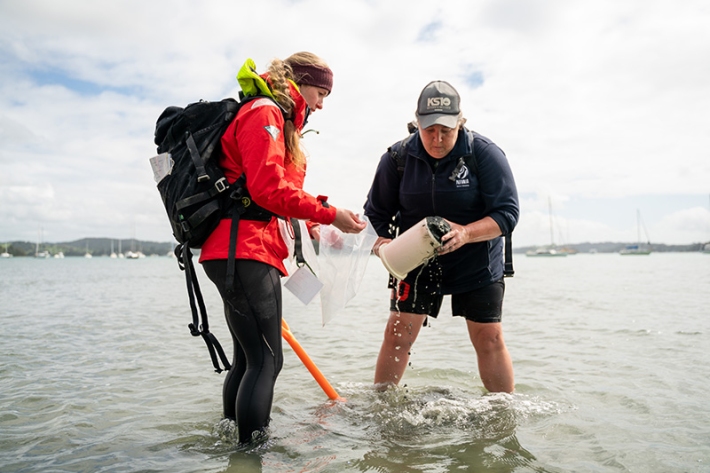
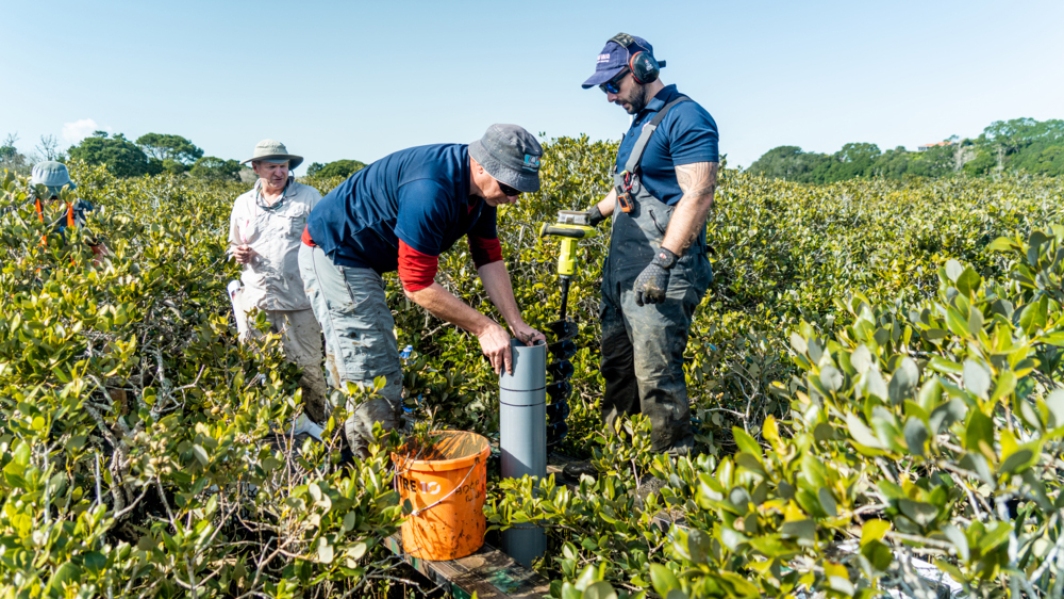
Ki uta ki tai: NIWA’s role in mountains-to-sea estuarine management
Media release09 June 2022Estuaries are coastal waterbodies where freshwater mixes with seawater. Many estuaries in Aotearoa New Zealand have been impacted by pollutants and contaminants entering via freshwater. -
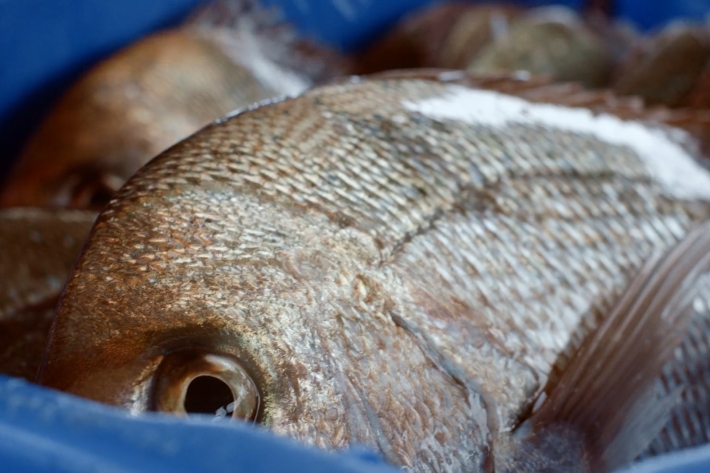
What’s in a fish’s ear?
Feature story31 May 2022The tiny ear bone of a fish holds a wealth of information. Gather enough and you get a snapshot of what’s happening beneath the waves. Stuart Mackay explains. -

Anchors cause “extensive, persistent” damage to seafloor
Media release12 May 2022High-resolution mapping has produced the first ever global estimates of coastal habitat damage caused by anchoring. -
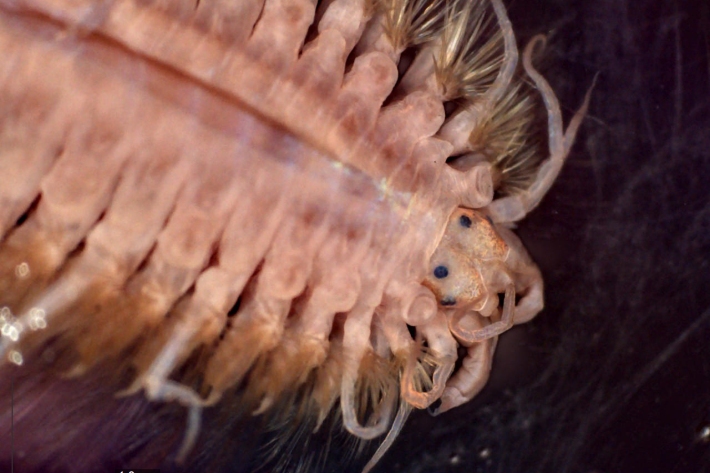
Survey provides snapshot of harbour’s health
News article10 May 2022Greater Wellington Regional Council regularly assess sediment quality and seafloor community health in the subtidal areas of Te Awarua-o-Porirua (Porirua Harbour) and Te Whanganui-a-Tara (Wellington Harbour). -
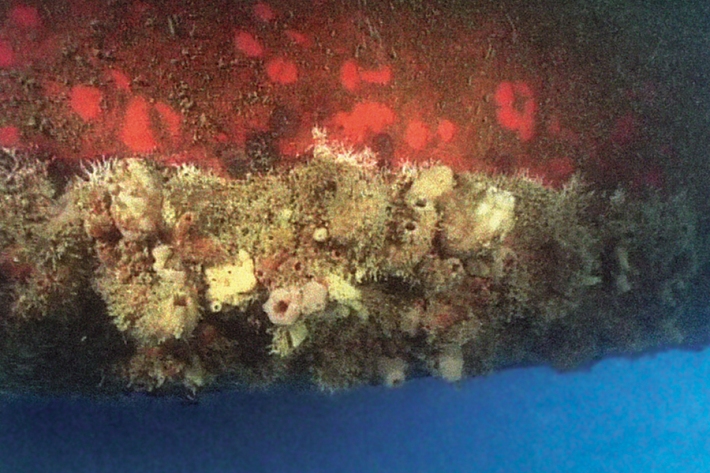
Guide explores the benefits of combating marine biofouling
News article10 May 2022NIWA is contributing to an international effort to help developing countries reduce the impact of biofouling on aquatic-based industries and environments. -
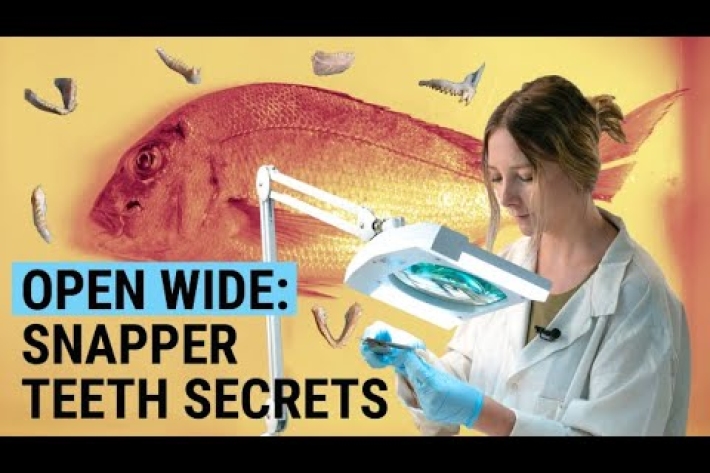
Open wide: snapper teeth secrets
NIWA and University of Auckland masters student Georgia Third is getting up close and personal with snapper guts and teeth to understand the differences between biologically distinct snapper populations in New Zealand. -

Voyage update - 29 April
Tangaroa is now 100 km south-west of Hunga Tonga - Hunga Ha’apai volcano (HT-HH), surveying in 2,440 m of water in the Lau Trough. -
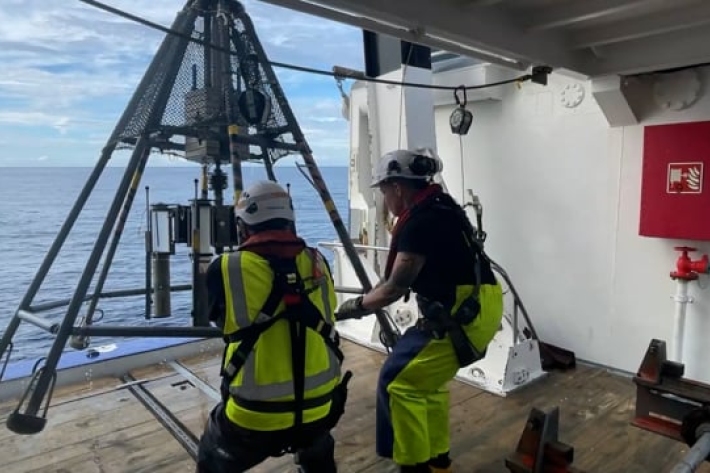
Hazards in the Tasman Sea
You’ll be blown away by what these women in science are up to onboard this RV Tangaroa voyage to the Tasman Sea. -
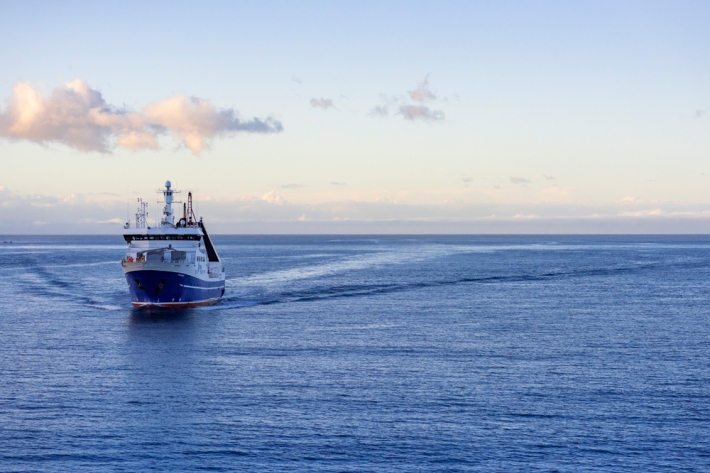
NIWA-Nippon Seabed Mapping Project a “rare opportunity” to study effects of Tonga eruption
Media release01 April 2022NIWA and The Nippon Foundation are undertaking a mission to discover the undersea impacts of the recent Tongan volcanic eruption. -
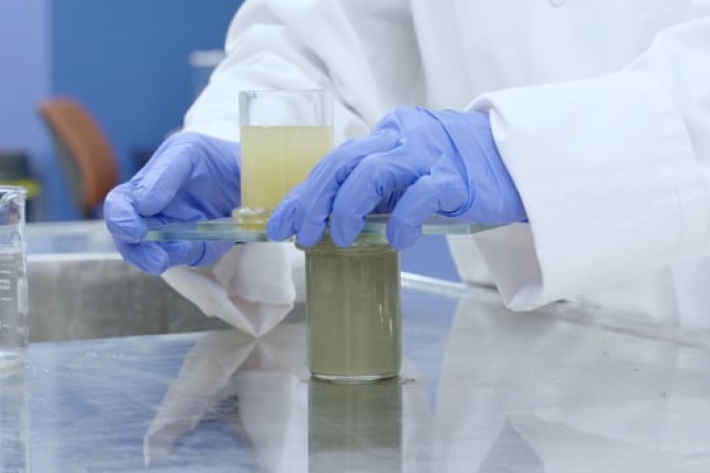
Microplastics: a deeper problem than we thought?
There is increasing global concern about the presence of plastic pollution in our oceans. -

A robot sea craft helps count fish
A six-metre-long autonomous vessel is equipped with artificial intelligence and a range of data gathering equipment, including a battery powered echosounder that can estimate the size of fish populations.