-
Organisational sustainability
NIWA's goal is to provide the science to help New Zealanders transition to a sustainable future. -

Water temperature and hydro
How do hydro-electricity activities potentially influence waterway temperatures? -
Blogs
Follow NIWA's scientists as they explore the natural world, make new discoveries and share how people use their science. -
Waikato
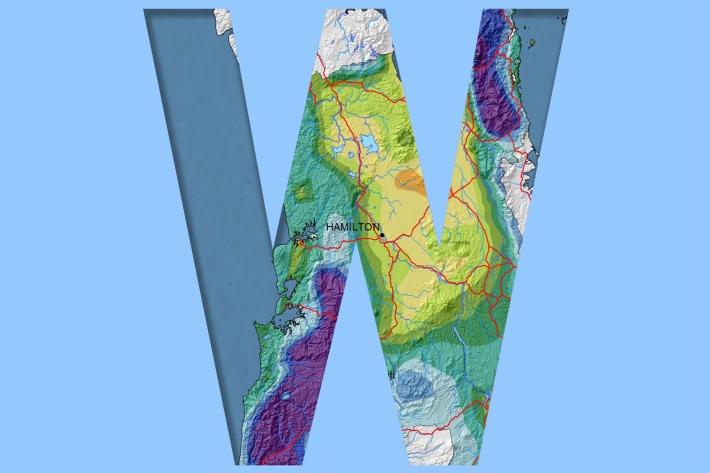
Waikato exhibits a range of climates due to the variety of landscapes in the region. -
Tsunami
Education ResourceTsunami is a Japanese word meaning great wave in harbour. -
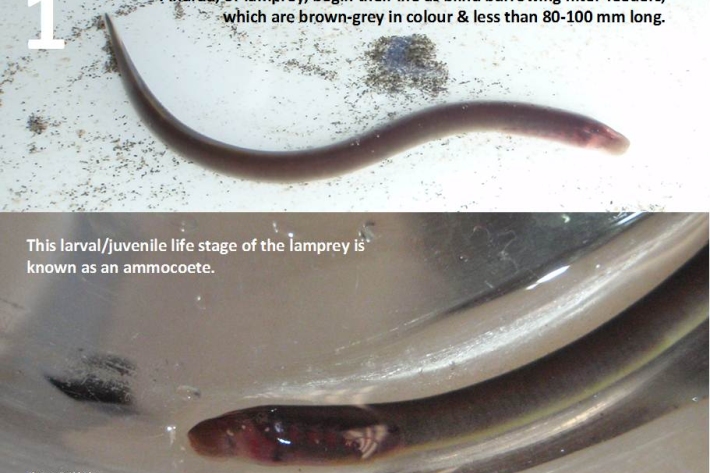
Restoration and enhancement of piharau / kanakana / lamprey
Research ProjectNIWA is leading a new six-year research project that seeks to increase our understanding of piharau/kanakana/lamprey, using Mātauranga Māori, social science and biophysical science approaches. -

Wave action
Feature story06 June 2017New Zealand’s coast is sculpted by ocean waves. Some wave conditions bring joy to surfers and beachgoers, but, at other times, waves can cause major hazards at sea or along the shore. -
Virtual Climate Station data and products
Virtual climate station estimates are produced every day, based on the spatial interpolation of actual data observations made at climate stations located around the country. -
Causes of sedimentation
What are the potential sources of sediments from land use activities?