-

Water clarity
Water clarity or turbidity is the cloudiness or haziness in a fluid caused by individual small particles (suspended solids). -
Impacts of hydro
Impacts of hydro-electric activities on water quality and mahinga kai. -
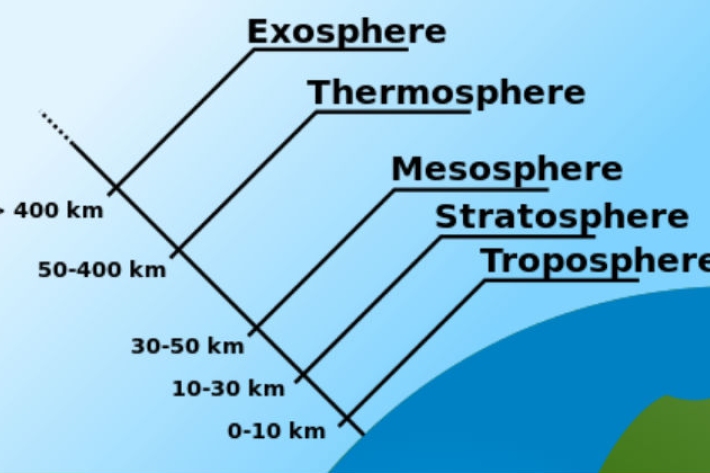
Layers of the atmosphere
Education ResourceThe atmosphere is comprised of layers based on temperature. These layers are the troposphere, stratosphere, mesosphere and thermosphere. -
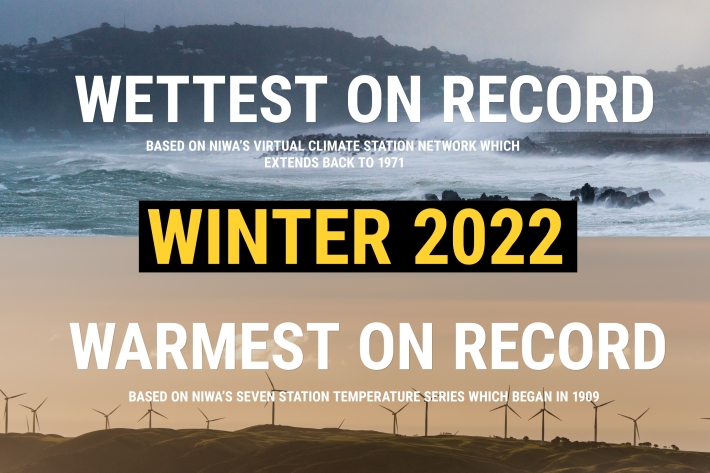
NZ's warmest and wettest winter on record
Media release06 June 2017NIWA’s climate scientists can now confirm what you may have suspected. After carefully poring through more than a century’s worth of data, it has been officially determined that winter 2022 was Aotearoa New Zealand’s warmest and wettest on record. -
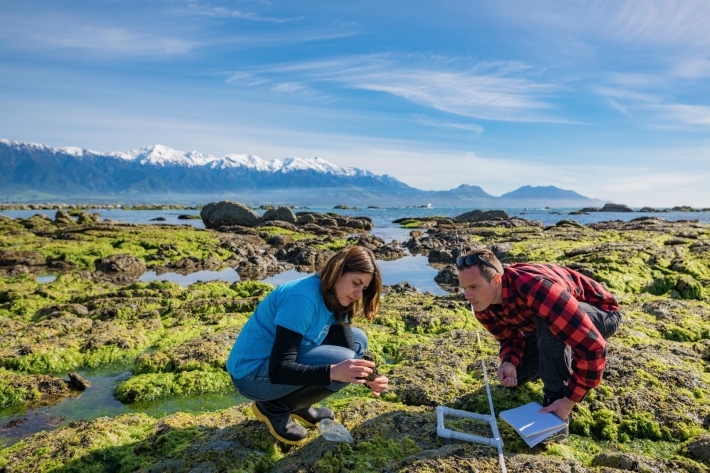
Our work
We have an exciting range of career opportunities at NIWA in both the scientific and professional support areas. -
Sediment and mining
How can mining activities influence sediments in waterways? -
Climate change, global warming and greenhouse gases
Climate data and common terms explaining the causes and effects of climate change. -
Rain Gauge - OTA OSK15180T
This is the standard precision instrument NIWA uses throughout New Zealand in the National Climate Network, and elsewhere, for rainfall measurement. -
New Zealand from space
This daily image of New Zealand from space was created using data from one of NASA's EOS satellites, collected at our receiving station in Lauder, Central Otago.