-
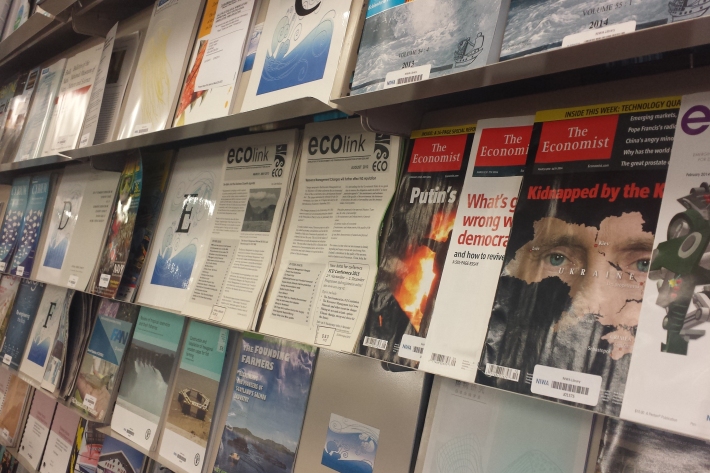
Library
ServiceThe NIWA library collection contains items in a range of formats, covering subjects including atmospheric and climate research, aquaculture, oceanography, fisheries and marine sciences. -

Mean monthly sunshine (hours)
These datasets are available in a range of formats. -
Standardised Precipitation Index (SPI)
The Standardised Precipitation Index (SPI) is a simple measure of drought (and also of very wet conditions) and is based solely on the accumulated precipitation for a given time period. -
Map E North
Education ResourceSheltered by high country to the west, the eastern zone of the North Island enjoys a dry, sunny climate. -
Summer Series 8: The forces behind beach ‘foam’
News article06 June 2017 -
Droughts
Generally speaking, a drought is defined as a rainfall deficit which restricts or prevents a human activity – for example, farming or power generation. -

Charts
Publication seriesCharts of coastal bathymetry, sediment, and other information are available for purchase. -
Overview of SHMAK
An overview of what the SHMAK kit comprises, and various uses for it. -

NIWA Instrument Systems
Instrument Systems is a specialised technology-focused consulting group within NIWA. -

Submerged plants as bio-indicators
Submerged plants have a number of advantages that favour their use as indicators of lake ecological condition. -
Regional climatologies
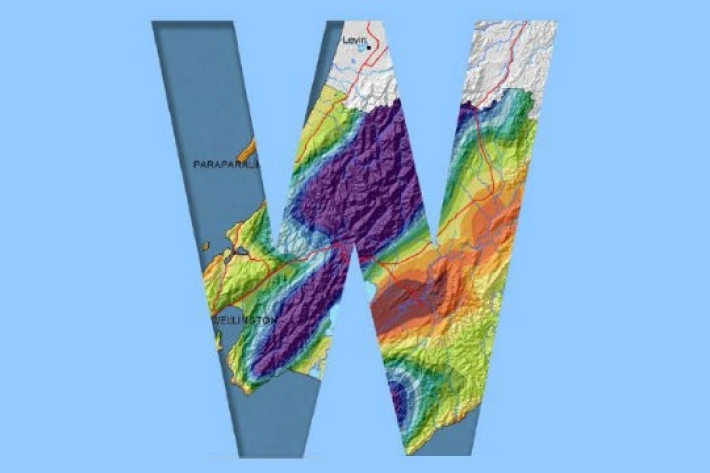
A regional climatology is a summary of the typical weather and climate of a region, based on historical data observations made at climate stations located within the region.