-

Mitigation and best practice options
Some simple steps to minimise the effects of mining activities on water quality and mahinga kai. -
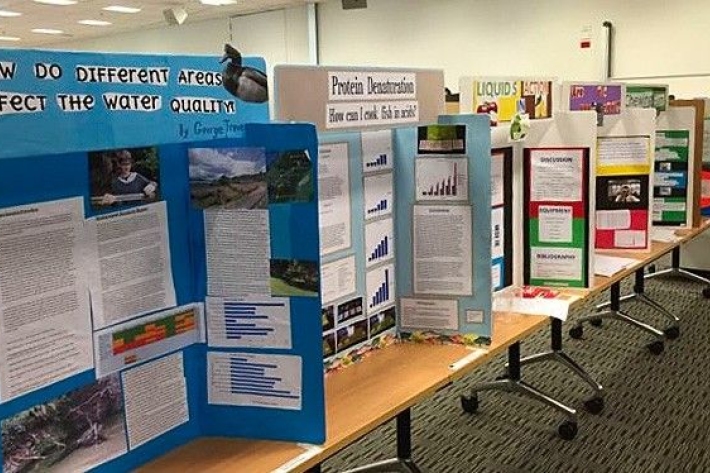
Science and Technology Fairs
NIWA is a major sponsor of the Auckland, Manukau City, North Harbour, Waikato, Wellington, Canterbury and Bay of Plenty – Science & Technology Fairs. -
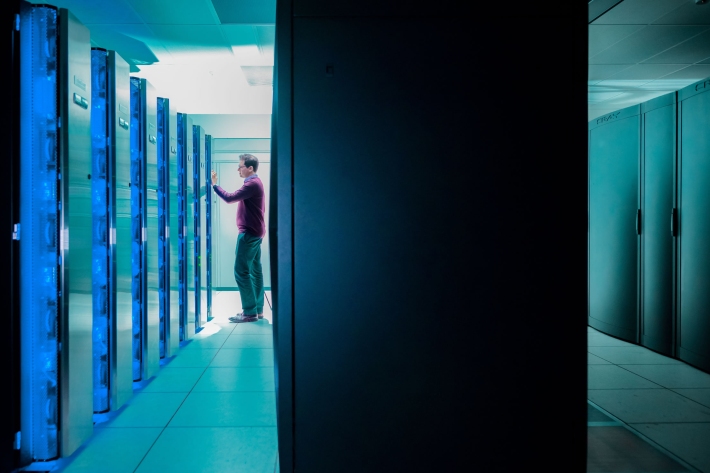
High Performance Computing Facility
FacilityThe High Performance Computing Facility (HPCF) is supercharging New Zealand science. -
Hotspot Watch Updates
This weekly update helps assess likelihood of extremely dry weather preceding a drought. -
Mean daily global radiation (Mj/sq m)
These datasets are available in a range of formats. -
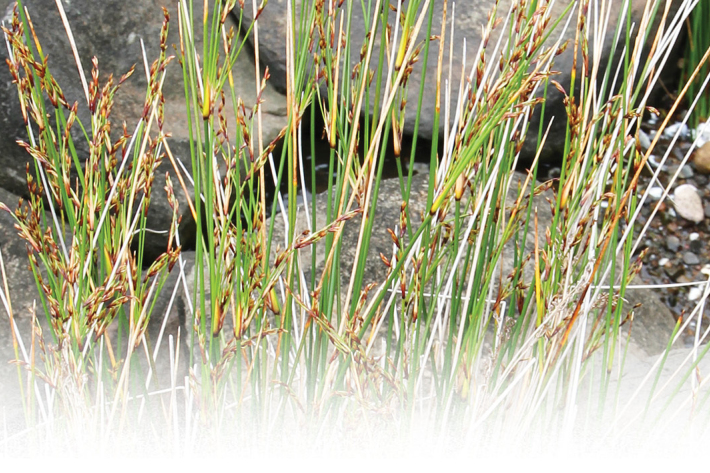
New Zealand rushes (Juncus): factsheets and key
New Zealand rushes (Juncus): species-level factsheets. -
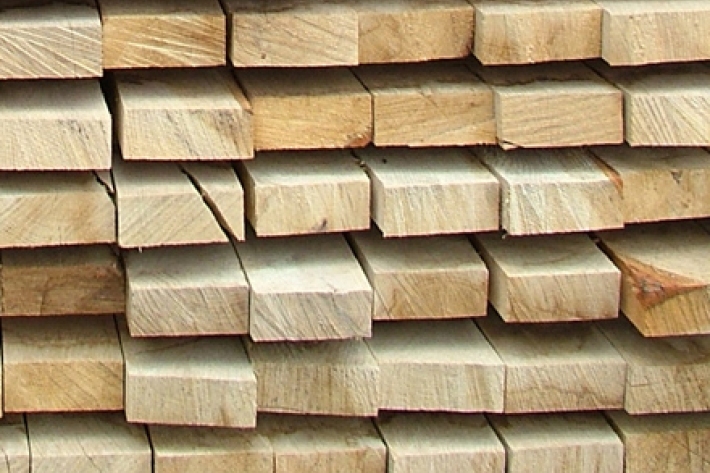
Chemical contamination and wood processing
What are the sources of chemical contamination from wood processing? -
Algae ID guides
A collection of ID guides to algae. Groups include major freshwater algal groups, diatoms and blue-green (cyanobacteria), red and green algae. -
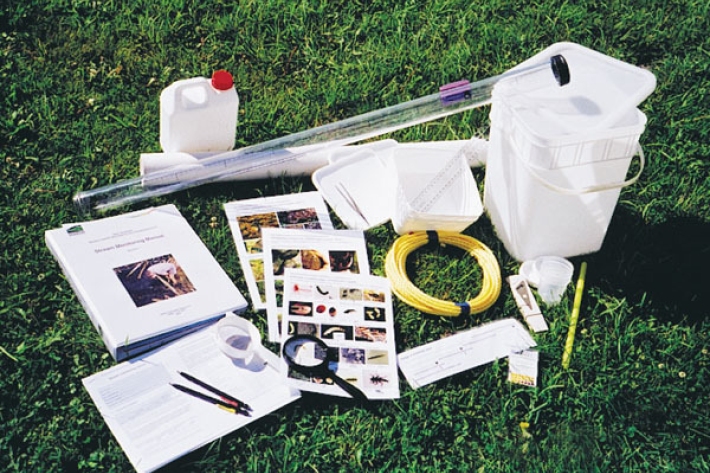
Stream Health Monitoring and Assessment Kit
ServiceHow healthy is your stream? SHMAK - the New Zealand Stream Health Monitoring and Assessment Kit - has been designed to help you find out. -
Toitoi
One of the most common species of freshwater fish in Aotearoa is the common bully or toitoi. -
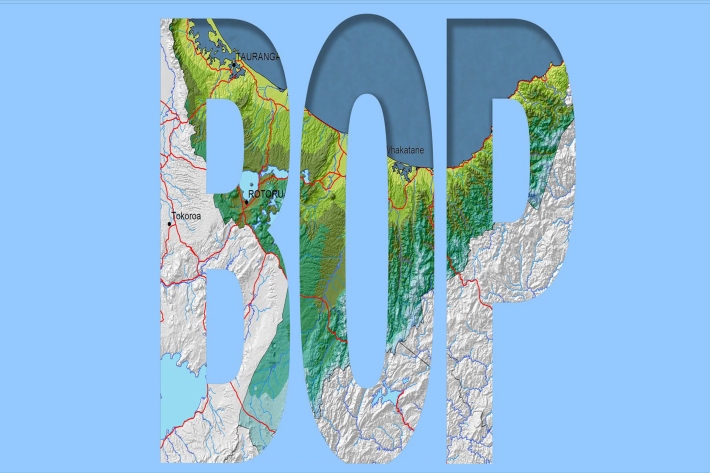
Bay of Plenty
The topography of the North Island has a profound effect on the weather of the Bay of Plenty region. -
Impacts of water dams
What are the impacts of water dams on water quality and mahinga kai?