-

Map Sw North
Education ResourceBecause of its exposure to disturbed weather systems from the Tasman Sea, this climate zone is often quite windy, but has few climate extremes. -
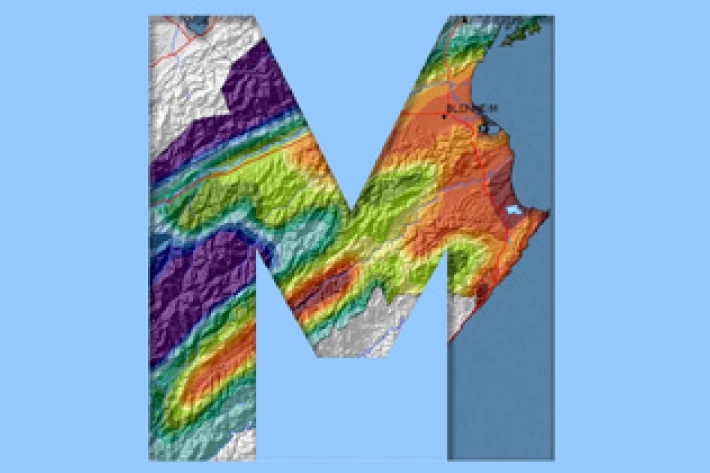
Marlborough
The main characteristic of the Marlborough climate is its dryness. Summer droughts are frequent, and the region is often swept by warm, dry northwesterlies. -
Mitigation and best practice options
Here are some simple steps to minimise the effects of dairying on water quality and mahinga kai. -
Urbanisation activities
Urbanisation has changed the face of many waterways that flow through urban areas -
Tuna - life cycle and leptocephalii
Freshwater eels have an unusual life cycle which sees them travelling between the ocean, estuaries and freshwaters. -
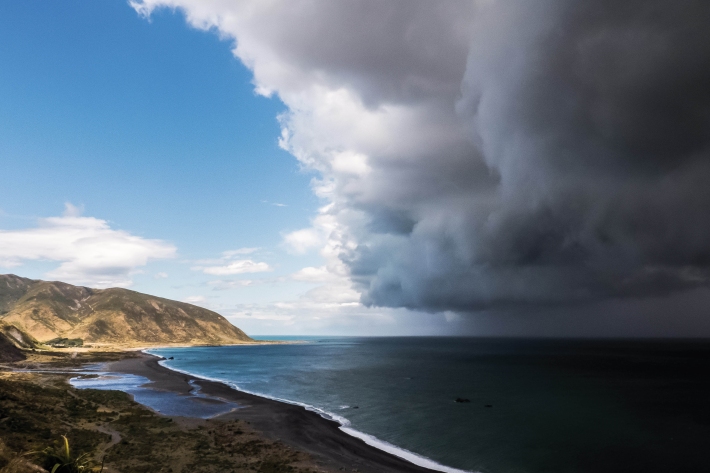
Common climate and weather terms
Education ResourceA glossary of common climate change and meteorological terms. -
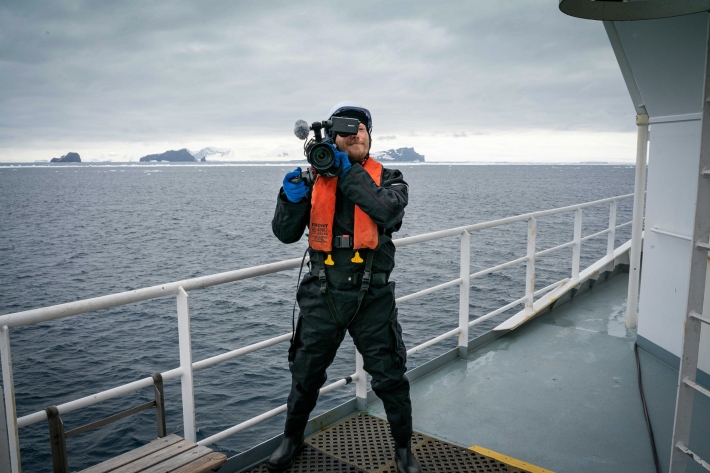
Support
We have a range of exciting career pathways with our professional Support Service. -
Water Level Instruments
There are different types of instrument available for measuring water level. -
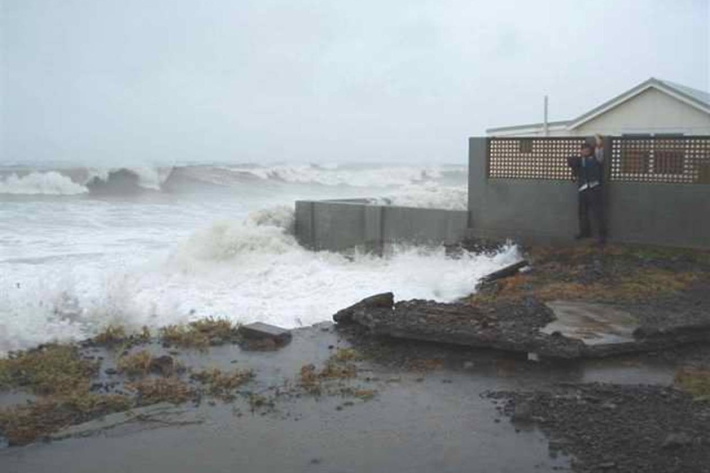
Planning for coastal adaptation
ServiceCoastal risk exposure for New Zealand, adaptation guidance for local government and relevant summaries of previous court cases and Building Act 2004 determinations. -
Water Quality Monitoring Capabilities
Research ProjectNIWA provides national capabilities in Water Quality Monitoring. -
NZ from Space - About
AQUA and TERRA are polar orbiting satellites that both pass over New Zealand twice per day.