-

“Very rare find” of ghost shark hatchling
Media release06 June 2017NIWA scientists have made the rare discovery of a days-old ghost shark during a recent survey off the east coast of the South Island. -

NZ Drought indicator products and information
Drought is a common feature of New Zealand's climate. On average, every year or two somewhere in New Zealand experiences a drought. -
Water resources and mining
How may the activities of the mining industry influence water resources? -
Mean 10cm earth temperature (°C)
These datasets are available in a range of formats. -
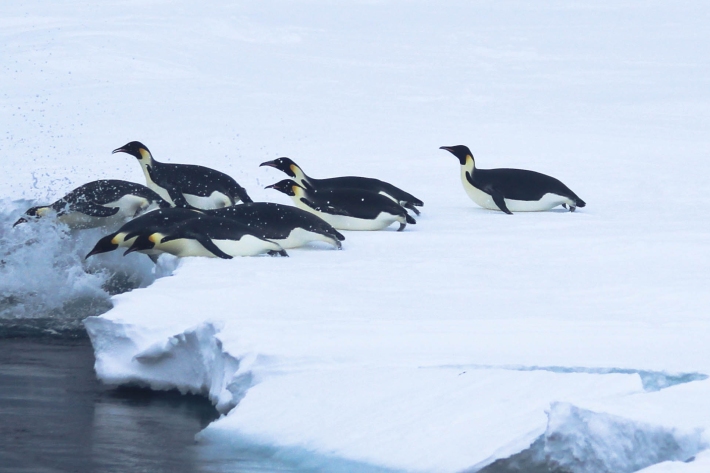
Emperor penguin foraging behaviour revealed
Media release06 June 2017An unavoidable delay in a research ship’s voyage to Antarctica resulted in some surprising and important findings about the behaviour of emperor penguins. -
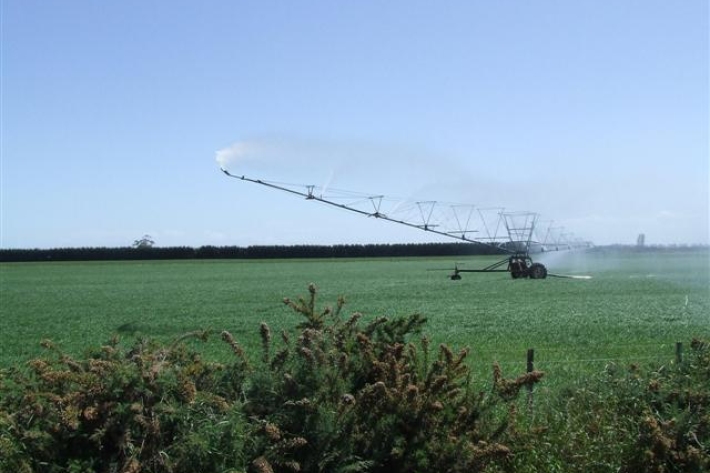
Water abstraction and agriculture
How do agricultural activities potentially influence water flows? -
Tuna - customary fisheries
Māori have an extensive knowledge of the ecology of freshwater eels, and have maintained their customary fisheries for several centuries. -
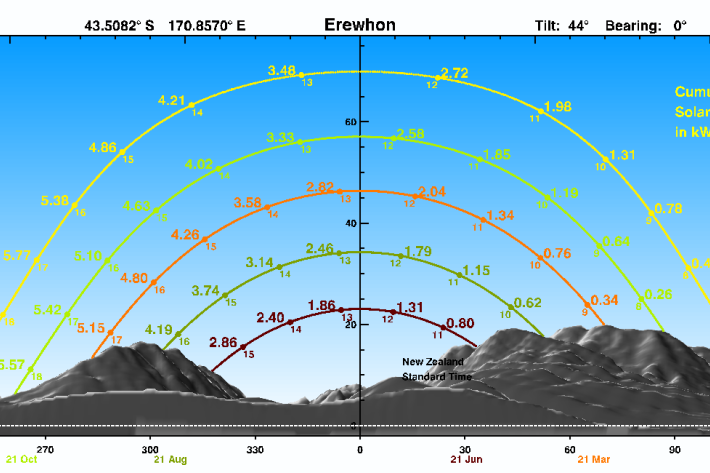
SolarView example
An illustrated example, showing how to input data and interpret SolarView results. -
Exploration sector
Hydrocarbons, although requiring increasingly responsible use, are still an essential part of our modern economy. NIWA has provided survey and consultancy services related to the exploration of offshore mineral resources for thirty years. -

LakeSPI: Keeping tabs on lake health
Software Tool/ResourceThe condition of many NZ lakes is under threat from land-use changes and the invasion of alien aquatic plants. -
Kākahi
The kākahi or freshwater mussel was a valuable mahinga kai resource for many Māori.