On 1 July 2025, NIWA merged with GNS Science to become Earth Sciences New Zealand.

Freshwater

We provide public information on river, lake, and groundwater conditions across New Zealand including freshwater quantity and quality.

  • (no image provided)

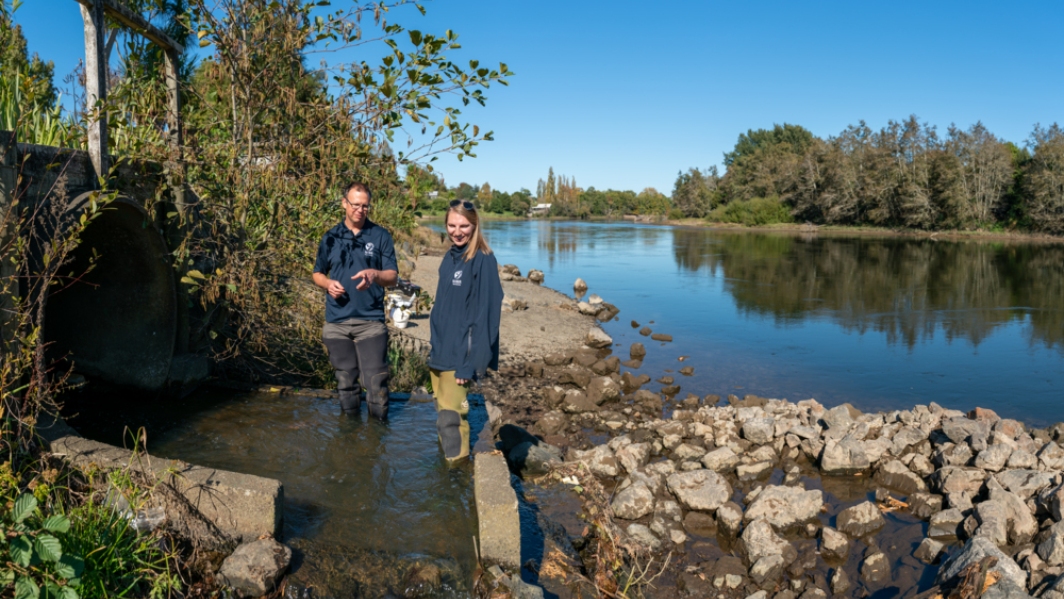
    Social Research within the Te Awa o Waitao restoration project

  • (no image provided)

    Ways to conduct social surveys and interviews to support restoration

  • (no image provided)

    How can social research be used to inform restoration strategies?

  • (no image provided)

    Social research in aquatic restoration projects

  • (no image provided)

    Indirect methods for assessing fish occurrence

  • (no image provided)

    DSS for setting turbidity limits at base flows

    DSS for setting turbidity limits at base flows
  • (no image provided)

    DSS for setting turbidity limits at peak flows

    DSS for setting turbidity limits at peak flows
  • Predicting long-term contaminant accumulation in the central Waitemata and southeastern Manukau Harbours

    Research Project
    This project was undertaken for Auckland Regional Council to identify significant sources of contaminants in the central Waitemata and southeastern Manukau Harbours.
  • Stocktake of diffuse pollution attenuation tools for New Zealand pastoral farming systems

  • (no image provided)

    Estimating deposited fine sediment

    Quorer: a simple method for estimating deposited fine sediment
  • (no image provided)

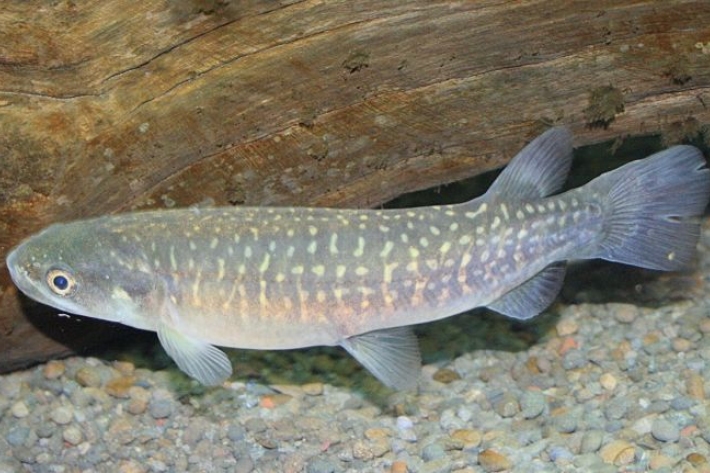
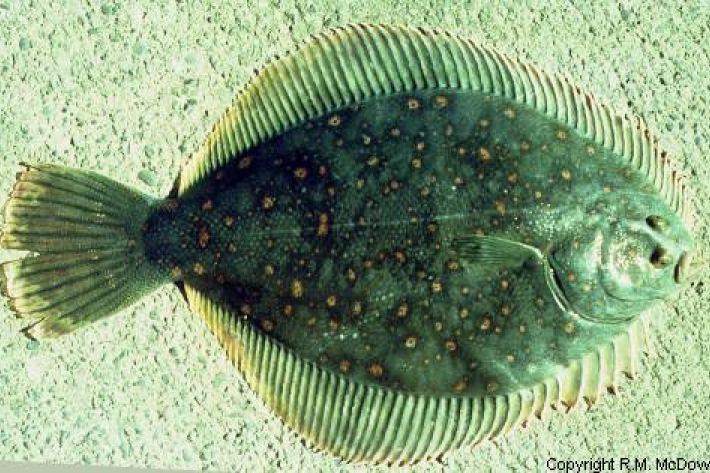
    Setting maximum turbidity levels for riverine fish (DSS)

    NIWA research has established turbidity limits to protect fish in New Zealand rivers.
  • (no image provided)

    Models to help manage erosion