-

Tuna - customary fisheries
Māori have an extensive knowledge of the ecology of freshwater eels, and have maintained their customary fisheries for several centuries. -
Exploration sector
Hydrocarbons, although requiring increasingly responsible use, are still an essential part of our modern economy. NIWA has provided survey and consultancy services related to the exploration of offshore mineral resources for thirty years. -

LakeSPI: Keeping tabs on lake health
Software Tool/ResourceThe condition of many NZ lakes is under threat from land-use changes and the invasion of alien aquatic plants. -
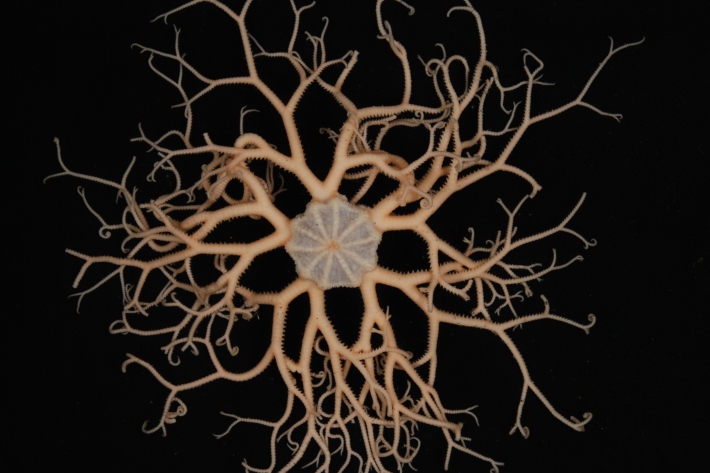
Critter of the Week: The Gorgon’s Head - Gorgonocephalus
A basket star was the first reported animal trawled up from the deep sea back in the early 1800s so they have a spot in the history books of deep ocean exploration. -
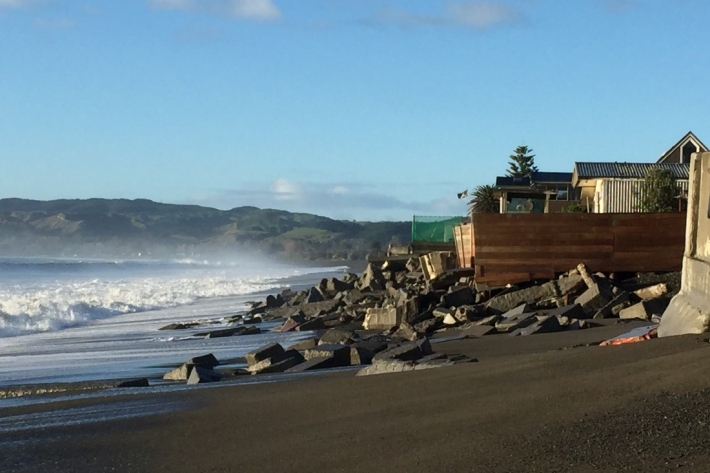
Sea level observations (near real-time)
ServiceThis system combines daily sea-level data from NIWA, regional councils, port companies, Antarctica NZ, Bureau of Meteorology and territorial authorities. -

Algal monitoring service
ServiceBlooms of hazardous cyanobacteria (blue-green algae) in rivers, lakes and reservoirs can cause problems for both animal and human health. -
What is the greenhouse effect?
Education ResourceThe greenhouse effect is a warming of the earth's surface and lower atmosphere caused by substances which let the sun's energy through to the ground but impede the passage of energy from the earth back into space. -
Coralline Algae
This identification guide covers the common crustose coralline algae found in central New Zealand. -
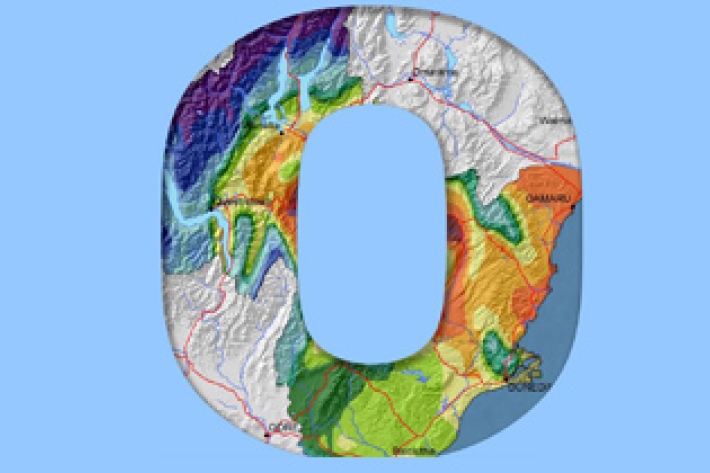
Otago
The climate of Otago is perhaps the most diverse of any region in New Zealand. -
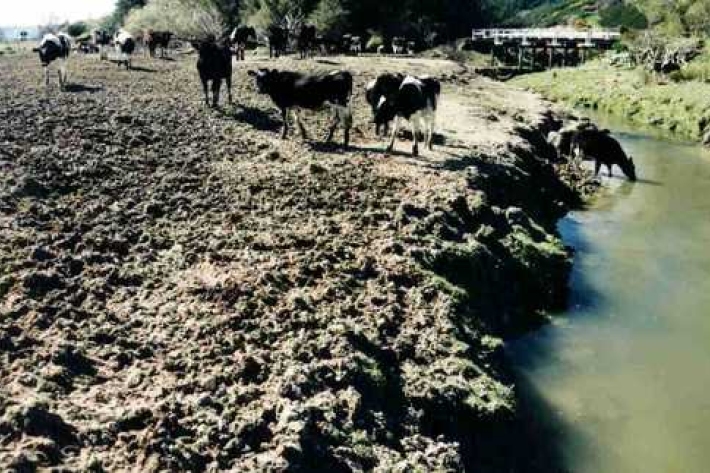
Loss of riparian vegetation
Plants and trees along the water margins and banks are called riparian vegetation. -
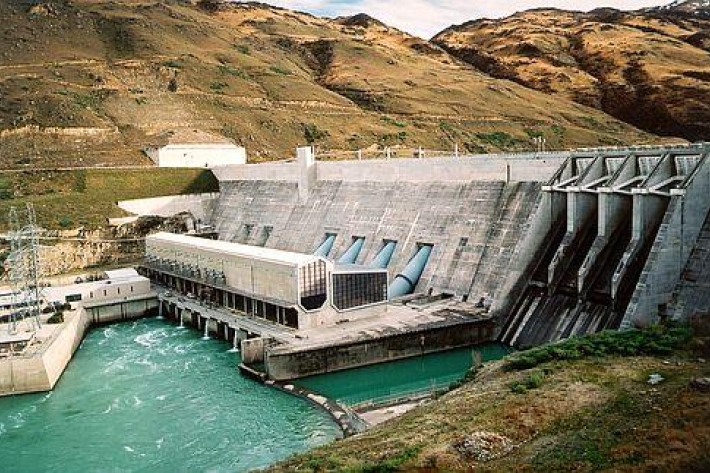
Hydro
Hydro-electricity is a renewable energy source that relies on the inflow of water into storage lakes upstream of a dam. -
Mean daily maximum temperatures (°C)
These datasets are available in a range of formats.