-

Water Level Instruments
There are different types of instrument available for measuring water level. -
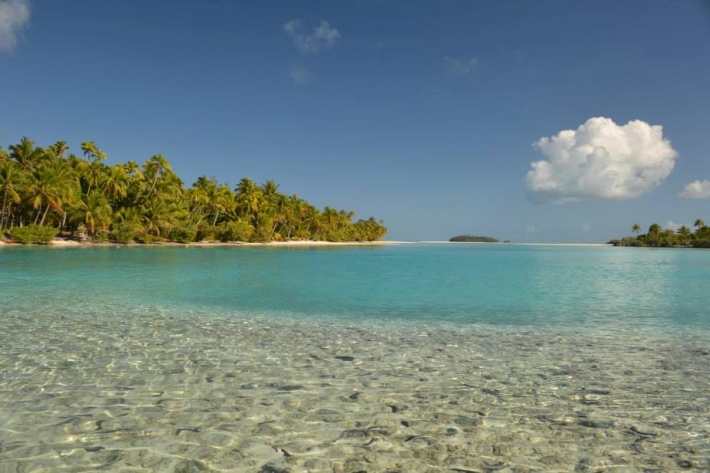
Southwest Pacific climate
Our southwest Pacific research focuses on recent and historic climate and weather activity, including our involvement in ACRE Pacific data rescue. -
Water Quality Monitoring Capabilities
Research ProjectNIWA provides national capabilities in Water Quality Monitoring. -
Tuna - maturation and identifying sex
The sex of tuna is not determined genetically, as in some other organisms. -
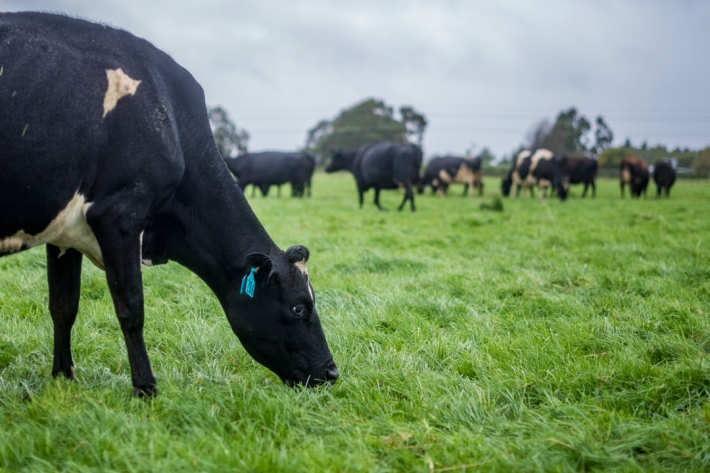
Methane
FacilityMethane (CH4) is the second most important greenhouse gas after CO2 that is produced by human activities. -
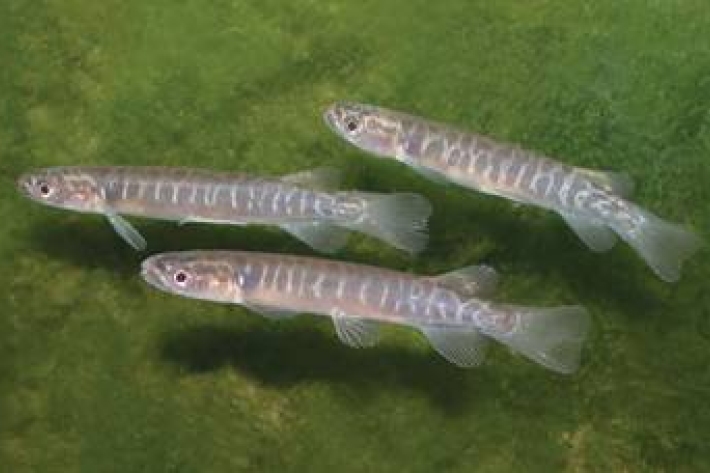
Mahinga kai - what species interests you?
In Kaitiaki Tools the term mahinga kai generally refers to indigenous freshwater species that have traditionally been used as food, tools, or other resources. -
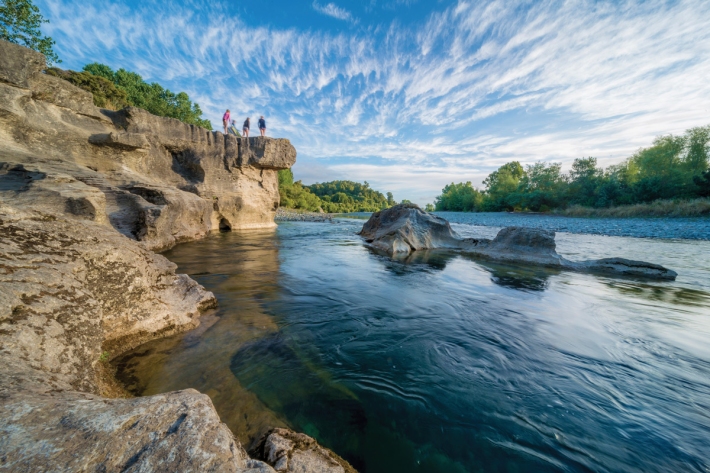
Stepping into the river
Feature story06 June 2017NIWA discusses, in depth, this year's most asked question—what is happening to our fresh waterways? -
Meteorologist for a day
Within a range of meaningful contexts students will be able to make statements about implications and possible actions consistent with the results of a statistical investigation and to find and authenticate data measures such as mean, median, mode, inter-quartile range, and range. -
Standardised Precipitation Index (SPI)
The Standardised Precipitation Index (SPI) is a simple measure of drought (and also of very wet conditions) and is based solely on the accumulated precipitation for a given time period. -
Summer Series 6: Nippy creatures that share your swim
News article06 June 2017