-
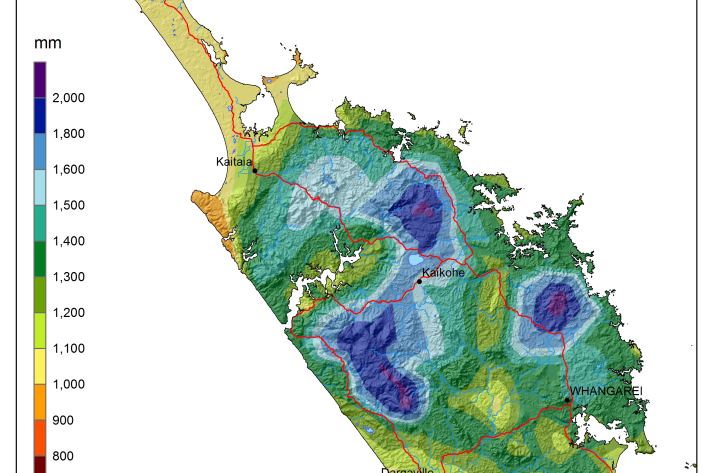
National and regional climate maps
Research ProjectMaps of average annual rainfall, temperature and other climate variables have been produced for all of New Zealand, based on the period 1981–2010. -
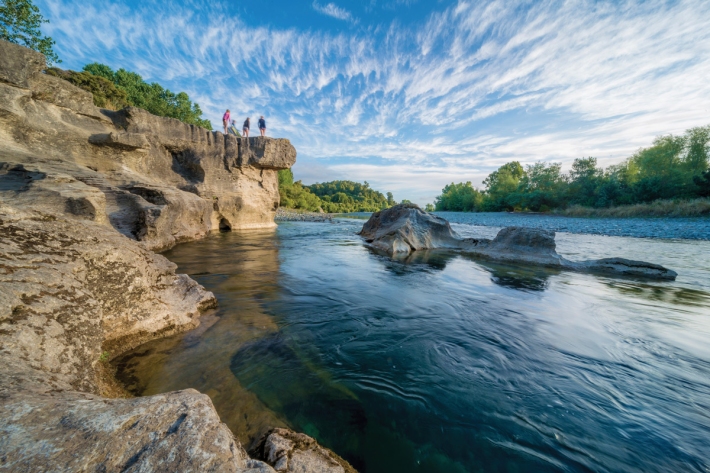
Stepping into the river
Feature story06 June 2017NIWA discusses, in depth, this year's most asked question—what is happening to our fresh waterways? -

Water take
Water take (also known as water abstraction) has a range of valuable public and private uses. -
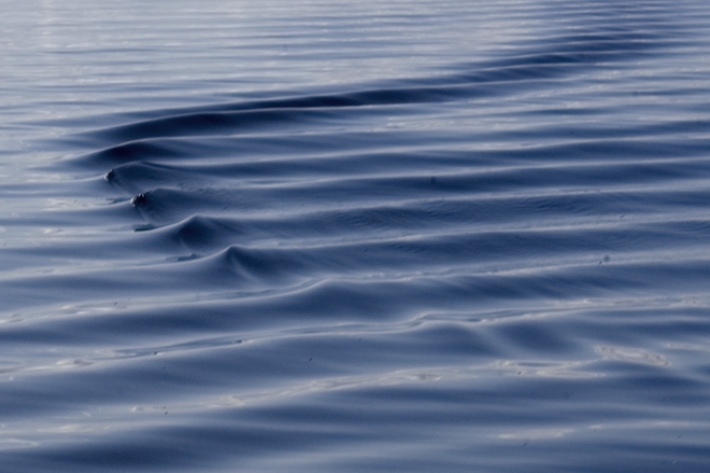
When fresh water meets salty water
When fresh water meets salty water - a classroom exercise that explores the physics of estuaries. -
Trawl fisheries bycatch
Accurate reporting on the amount of fish and invertebrates that are caught and discarded by New Zealand’s commercial fishing industry is vital to effective management of these fisheries. -
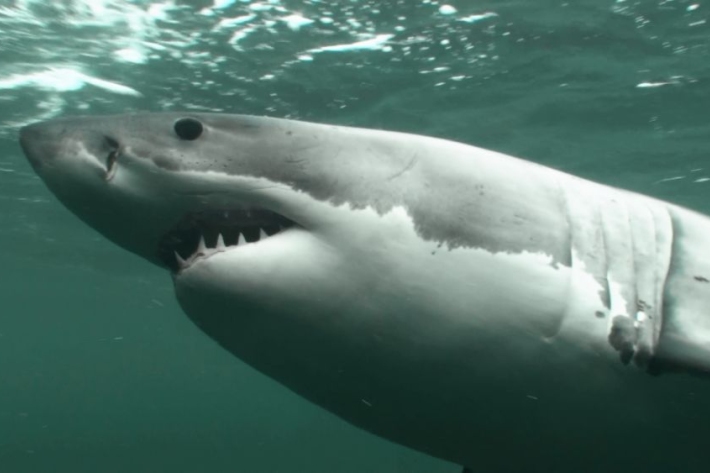
White sharks
Research ProjectWhere and when do white sharks occur in New Zealand waters, and how can fisheries bycatch be reduced? -
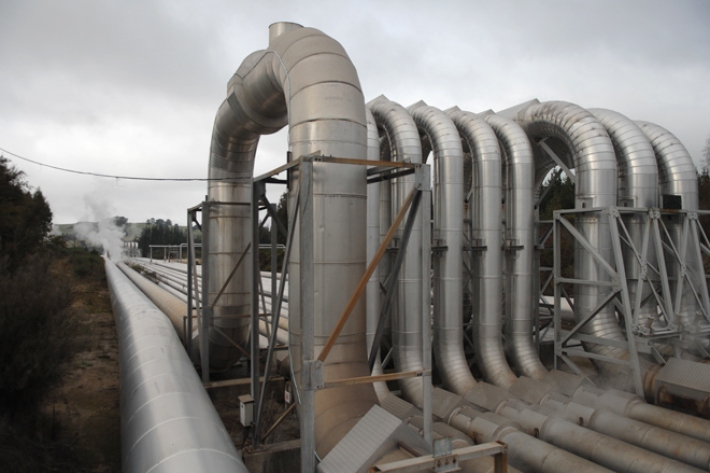
What is the proposed activity or industry?
Various industries and land use activities have the potential to impact on water quality and mahinga kai unless properly managed. -
Tuna - elvers and recruitment
Once in freshwater, glass eels develop into darker pigmented juvenile eels known as elvers. -
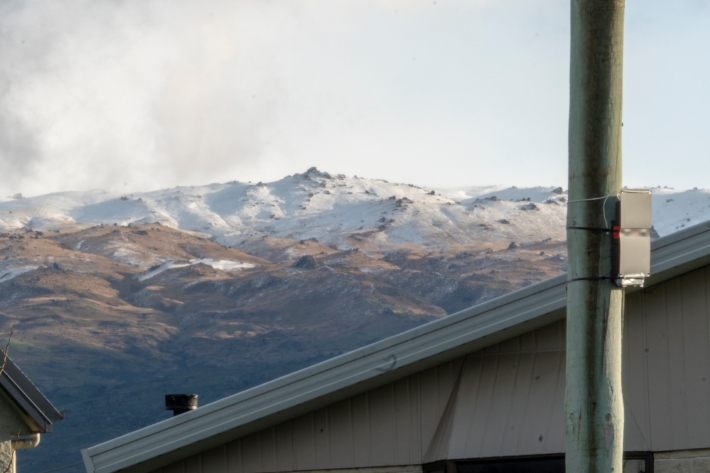
Air quality monitoring with low-cost sensors
ServiceNIWA provides ambient air quality monitoring services using low-cost ODIN (Outdoor Dust Information Node) sensors. -
What do 'carbon neutral' and 'carbon footprint' mean?
A carbon neutral activity is one that has a carbon footprint of zero.