-

Sediment and forestry
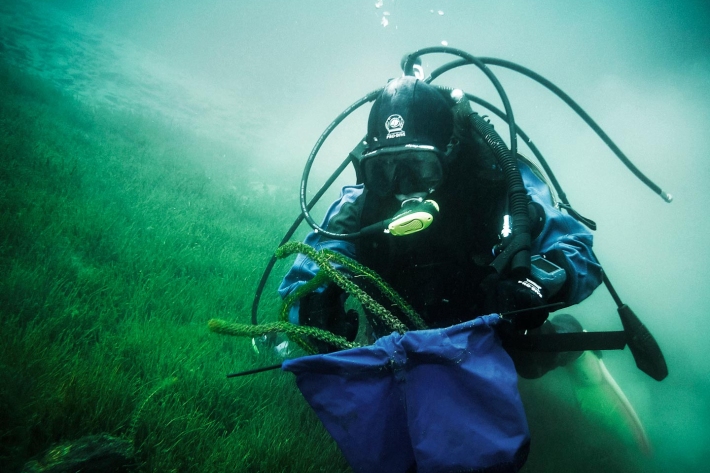
How may forestry activities increase sediments in waterways? -
Critter of the week
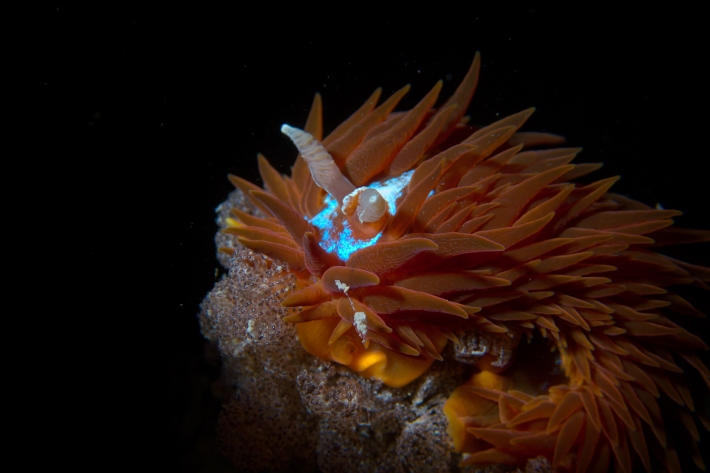
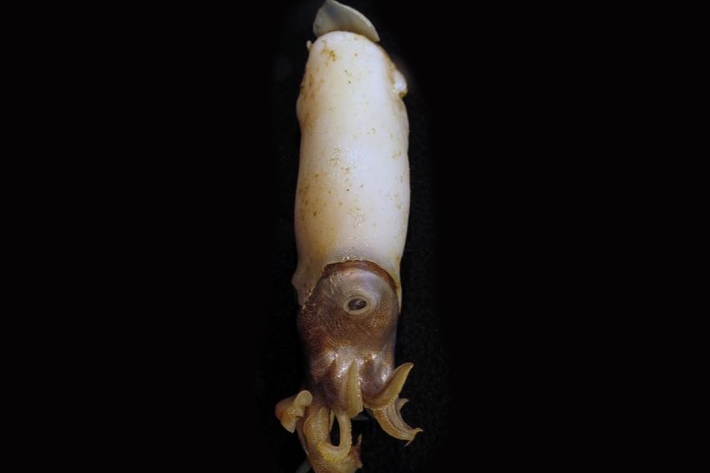
In this blog series, we feature a new critter from our expansive invertebrate collection including pictures of specimens in their unique habitat. The blogs also feature news, links and fun facts that showcase New Zealand’s fascinating marine fauna. -
Lesson 9: Ngā Tohu o te Taiao – Māori environmental indicators
Education ResourceThis lesson will explore the use of Māori environmental indicators [tohu] to anticipate local weather and climate conditions. -
Climate stations and instruments
We can supply a wide range of weather or climate monitoring instruments from single parameter sensors to fully equipped and installed climate stations. -
Our management
NIWA is managed by an Executive Team reporting to the Chief Executive Officer. Science and operational matters are handled by two sub-groups. -
Banded kōkopu
Banded kōkopu juveniles are very good climbers and will try to escape from buckets by clinging to and wriggling up the sides. -
Mining activities
A range of different mining techniques have been developed to obtain these valuable resources -
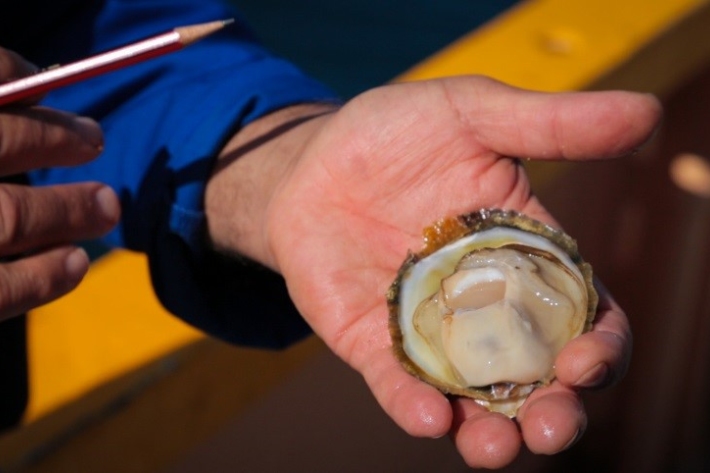
Questions and answers about oyster disease Bonamia ostreae
Media release06 June 2017NIWA is today issuing some scientific information on the parasite Bonamia ostreae, recently discovered in Big Glory Bay, Stewart Island, and the risk it poses to the Bluff oyster fishery. -
Using trigonometric functions to model climate
Education ResourceYour task is to create a model of the data to predict the times during the year that a location would be pleasant to visit -
Al Brown's Hapuku Recipe
Al Brown is an award-winning chef, co-owner of Wellington’s Logan Brown restaurant, television presenter on Hunger for the Wild, writer, and fisherman.