-

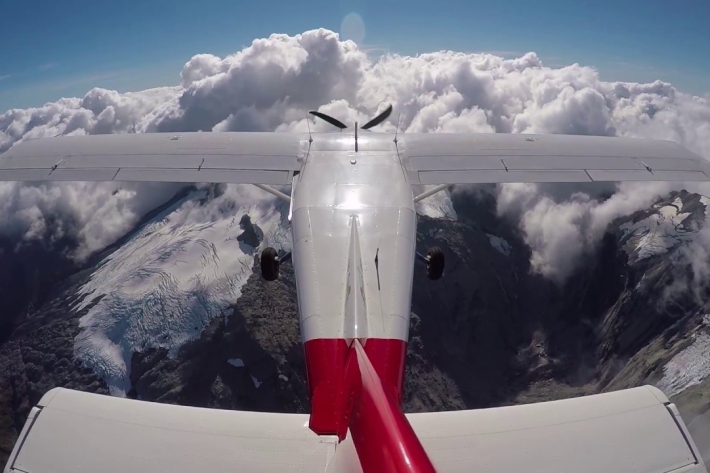
What are greenhouse gases?
Greenhouse gases are atmospheric gases that intercept long-wave (mainly infrared) radiation emitted from the Earth's surface. -
Water Level Instruments
There are different types of instrument available for measuring water level. -
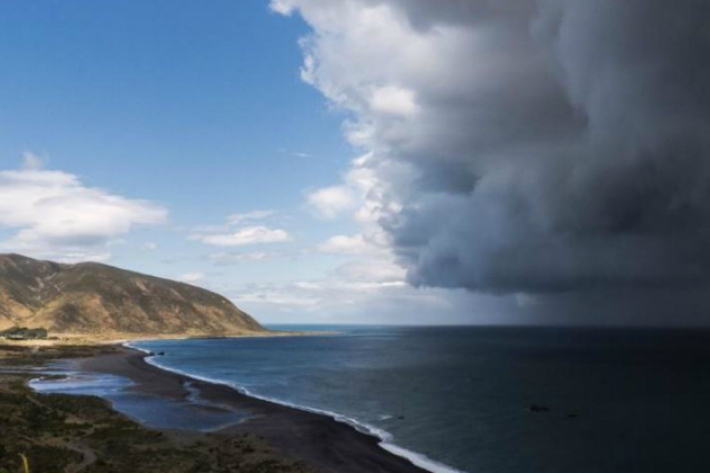
The impact of El Niño and La Niña on New Zealand's climate
El Niño accounts for less than 25 percent of the year-to year variance in seasonal rainfall and temperature at most locations in New Zealand. -
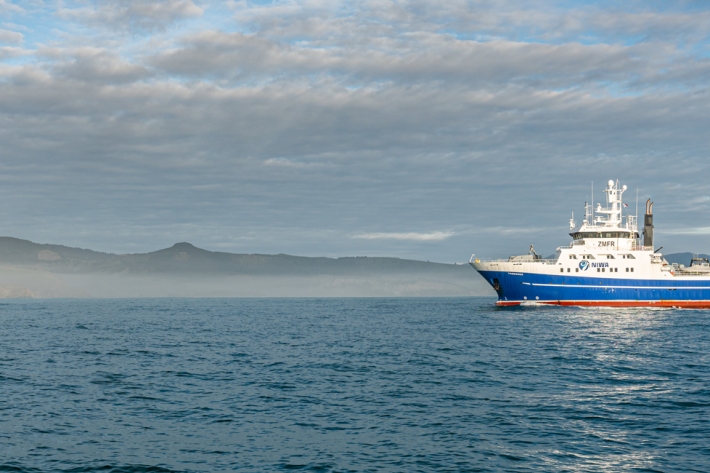
Applying for vessel time
Find out how you can have access to Earth Science NZ's research vessels to carry out marine research voyages. -
Water Quality Monitoring Capabilities
Research ProjectNIWA provides national capabilities in Water Quality Monitoring. -

Chemical contamination and wastewater
What are the potential sources of chemical contaminants in wastewaters? -
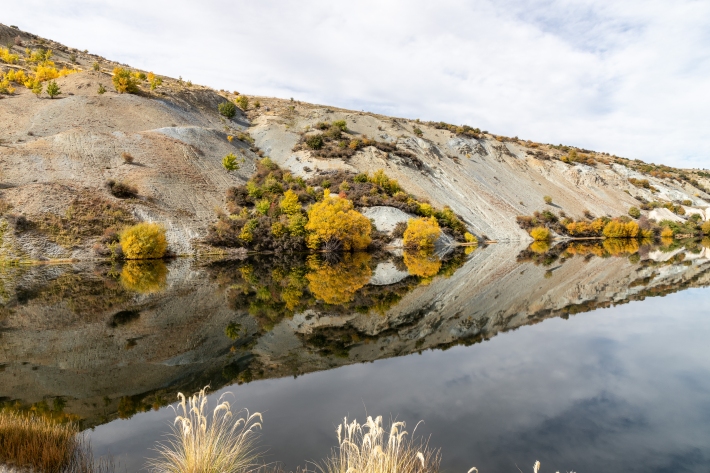
Seasonal
Publication seriesSeasonal climate summaries from summer 2001 to the present. -

River Environment Classification
The River Environment Classification (REC) is a database of catchment spatial attributes, summarised for every segment in New Zealand's network of rivers. -
Statement of Corporate Intent
This Statement of Corporate Intent (SCI) sets out NIWA's strategy for delivering against its core purpose over the next five years.