-

Map North
Education ResourceThis is a sub-tropical climate zone, with warm humid summers and mild winters. -
Exploration sector
Hydrocarbons, although requiring increasingly responsible use, are still an essential part of our modern economy. NIWA has provided survey and consultancy services related to the exploration of offshore mineral resources for thirty years. -
New Zealand's Marine Realm
News article06 June 2017NIWA has transformed 1.5 million square kilometres of data into the most accurate and detailed map yet of the land underneath the sea around New Zealand. -

LakeSPI: Keeping tabs on lake health
Software Tool/ResourceThe condition of many NZ lakes is under threat from land-use changes and the invasion of alien aquatic plants. -
Seafood sector
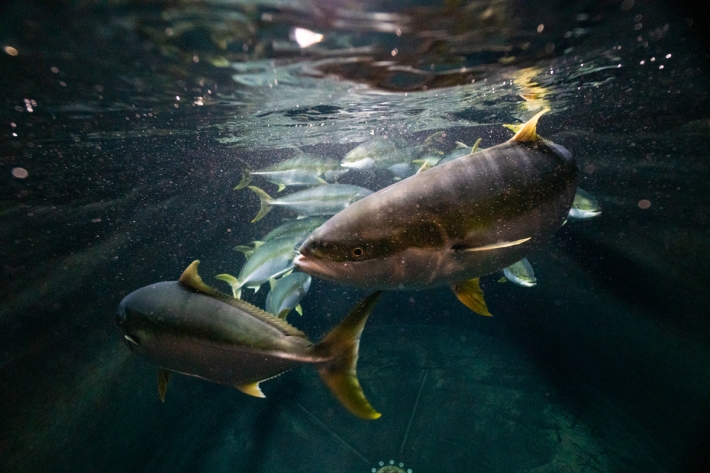
NIWA's seafood sector work comprises our fish, fisheries and aquaculture research and consultancy. -
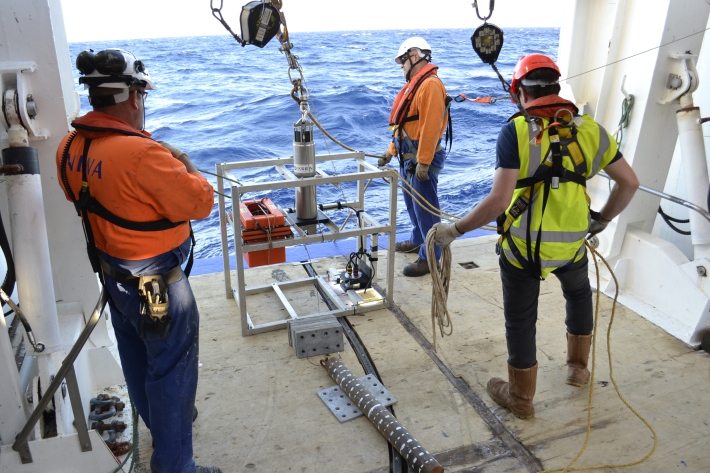
Scientists explore deepest parts of the Kermadec Trench
Media release06 June 2017Scientists exploring the Kermadec Trench believe they have retrieved the deepest ever sediment sample from the bottom of the ocean using a wire-deployed corer. -
Water take
Water take (also known as water abstraction) has a range of valuable public and private uses. -

When fresh water meets salty water
When fresh water meets salty water - a classroom exercise that explores the physics of estuaries. -
Coralline Algae
This identification guide covers the common crustose coralline algae found in central New Zealand. -
Otago
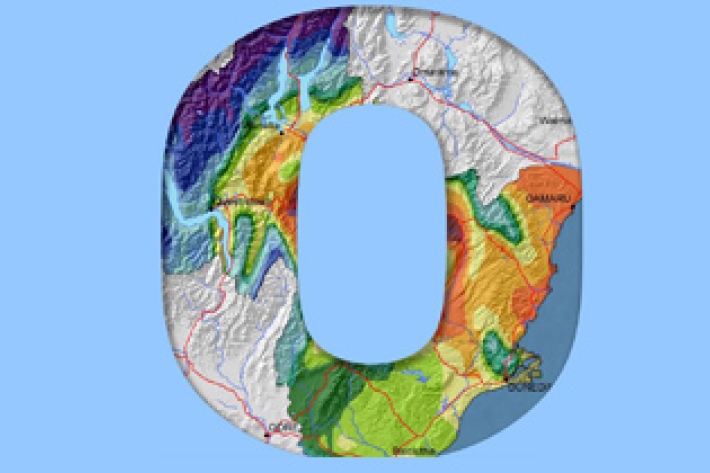
The climate of Otago is perhaps the most diverse of any region in New Zealand.