-
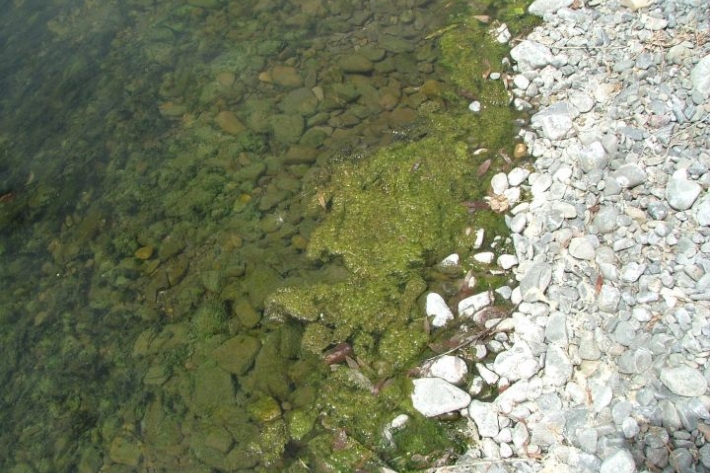
Stream periphyton monitoring manual
This manual prescribes a set of sampling and analysis protocols applicable to most of the common stream habitats in New Zealand. -

Mahinga kai and migration
A high proportion of New Zealand’s native freshwater fish fauna need to migrate to and from the sea. -
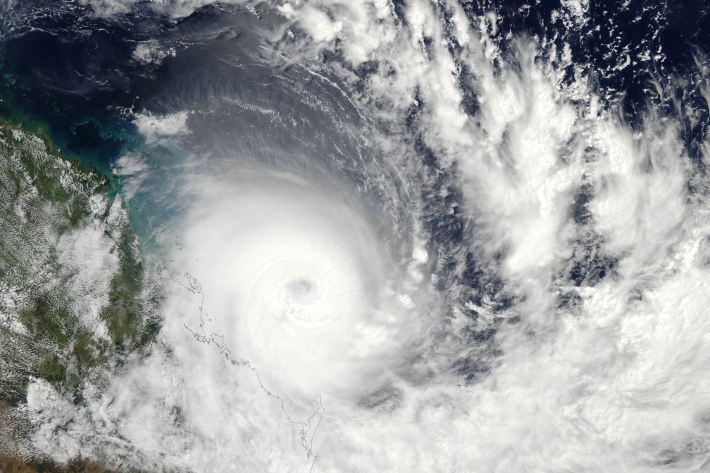
Southwest Pacific Tropical Cyclone Outlook
Publication seriesA summary of up-coming tropical cyclone seasons, issued 6-monthly. -
Station details
Station height is in metres above mean sea level. Years of data are the number of complete years of data for the 1981 – 2010 period. -
Map Alpine
Education ResourceMountainous areas are subject to heavy snowfalls, high winds, and low temperatures. Semi-permanent snow and ice fields exist at about 1000-1100 metres during winter. -
Tuna - elvers and recruitment
Once in freshwater, glass eels develop into darker pigmented juvenile eels known as elvers. -
What do 'carbon neutral' and 'carbon footprint' mean?
A carbon neutral activity is one that has a carbon footprint of zero. -

On-Site Household Sanitation Guidelines for Fiji
Research ProjectA participatory project empowering communities with self-help tools to improve water, sanitation and hygiene. -
Tuna
Tuna or freshwater eels are a very significant, widely-valued, heavily-exploited, culturally iconic mahinga kai resource. -
Chemical contamination and agriculture
What are the potential sources of chemical contamination from agricultural activities? -
Gisborne
In comparison with regions exposed to the west, Gisborne experiences a greater number of weather and climatic extremes. -
Water clarity
Water clarity or turbidity is the cloudiness or haziness in a fluid caused by individual small particles (suspended solids).