-
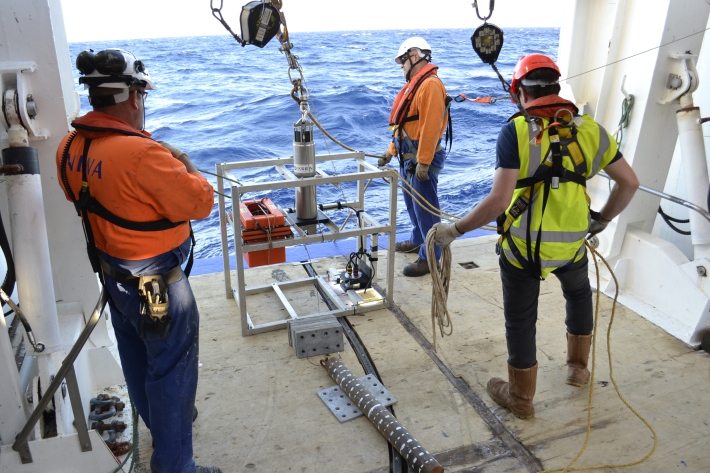
Scientists explore deepest parts of the Kermadec Trench
Media release06 June 2017Scientists exploring the Kermadec Trench believe they have retrieved the deepest ever sediment sample from the bottom of the ocean using a wire-deployed corer. -
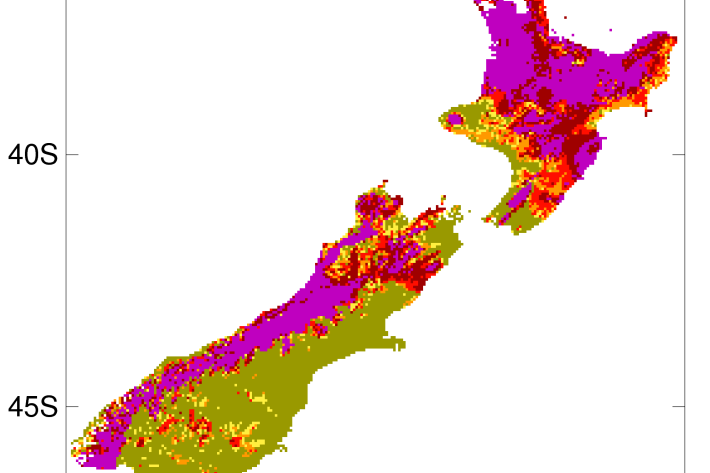
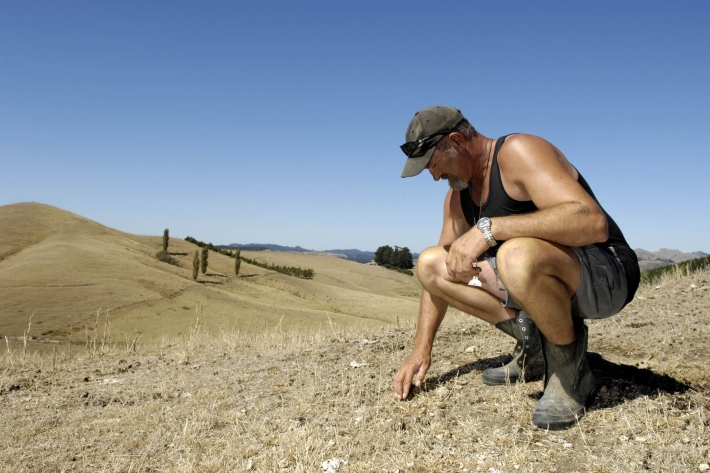
2012-2013 Drought
The 2012-2013 drought affected the entire North Island plus the west coast of the South Island. -

Lesson 2: Wind
Education ResourceSometimes wind can feel like a bit of a mystery because we can feel it, but not see it. -
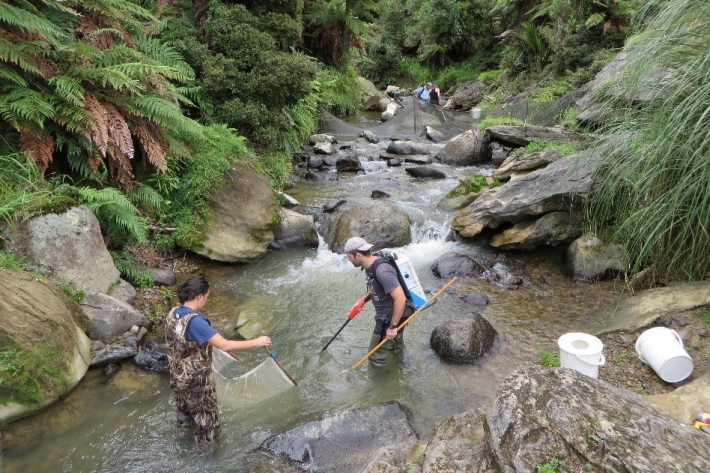
Guidelines for sampling freshwater fisheries
We have prepared a breakdown of the different guidelines that are available for sampling freshwater fisheries. The overview provides links to key documents that explain what should be considered when designing fish monitoring studies and how to implement the various sampling techniques. -
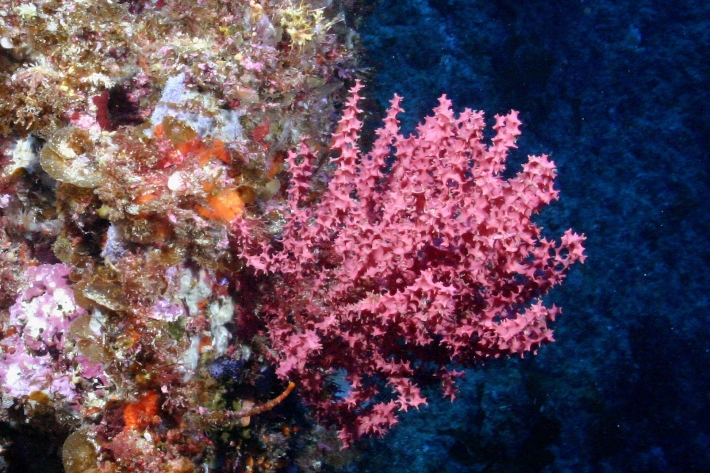
Splendid Sponges
An interactive guide to the sponges of New Zealand. -
Dissolved oxygen
Dissolved oxygen (DO) is a relative measure of the amount of oxygen (O2) dissolved in water. -

Seafood sector
NIWA's seafood sector work comprises our fish, fisheries and aquaculture research and consultancy. -

Generating synthetic wind data
Research ProjectNIWA has recently created synthetic, multi-year, 10-minute wind datasets at 15 wind farm sites across New Zealand. These will be used by the Electricity Commission to model the impact of wind farms on the national grid. -
Dry stock
Dry stock farming consists predominantly of pasture grazing beef cattle, sheep, and deer for meat, wool, and velvet production. -
Coralline Algae
This identification guide covers the common crustose coralline algae found in central New Zealand. -
Otago
The climate of Otago is perhaps the most diverse of any region in New Zealand.