-

Toitoi
One of the most common species of freshwater fish in Aotearoa is the common bully or toitoi. -
Water clarity
Water clarity or turbidity is the cloudiness or haziness in a fluid caused by individual small particles (suspended solids). -
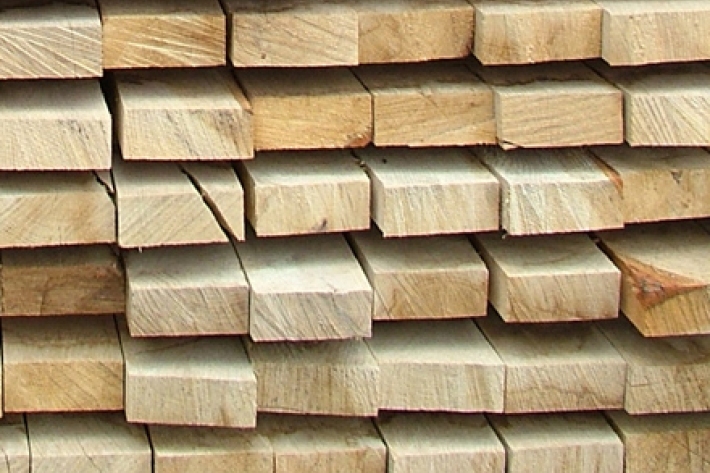
Wood processing
Trees are grown and converted into a range of useful timber and paper products. -
Dry stock
Dry stock farming consists predominantly of pasture grazing beef cattle, sheep, and deer for meat, wool, and velvet production. -
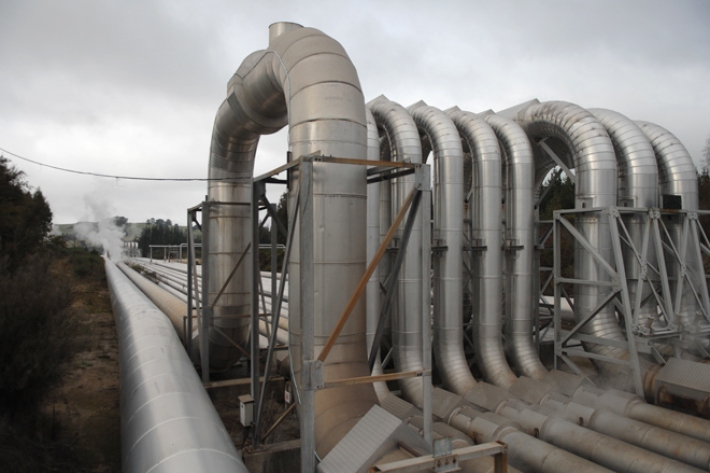
What is the proposed activity or industry?
Various industries and land use activities have the potential to impact on water quality and mahinga kai unless properly managed. -
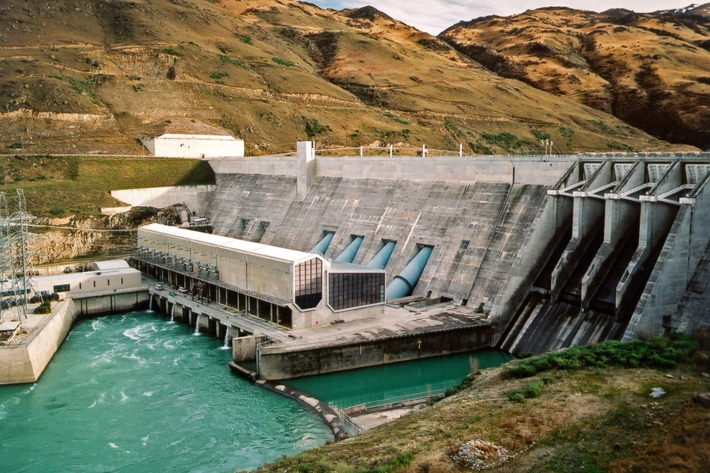
Water dams
Damming water for urban use, hydro-electric power generation, irrigation, and other industrial and commercial uses. -
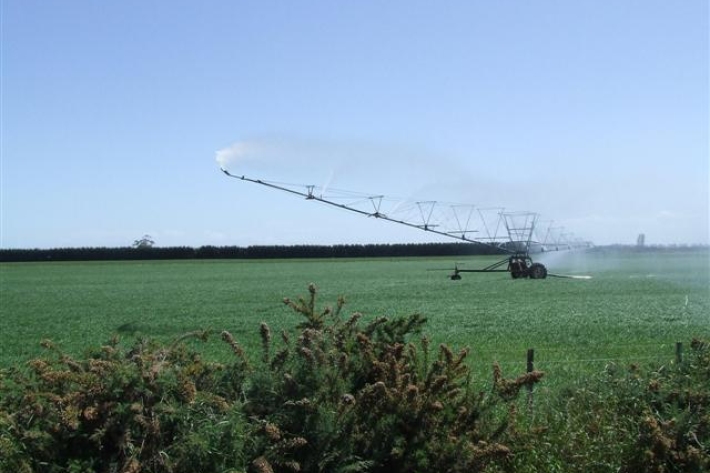
Water abstraction and agriculture
How do agricultural activities potentially influence water flows? -
Tuna
Tuna or freshwater eels are a very significant, widely-valued, heavily-exploited, culturally iconic mahinga kai resource. -
Water resources and mining
How may the activities of the mining industry influence water resources? -
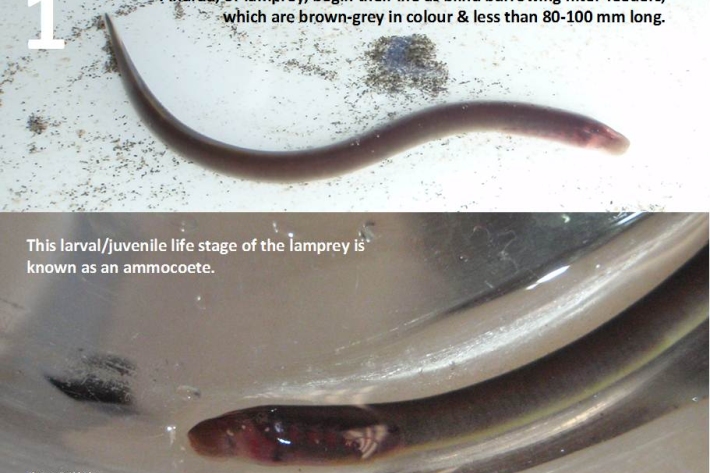
Restoration and enhancement of piharau / kanakana / lamprey
Research ProjectNIWA is leading a new six-year research project that seeks to increase our understanding of piharau/kanakana/lamprey, using Mātauranga Māori, social science and biophysical science approaches. -

Submerged plants as bio-indicators
Submerged plants have a number of advantages that favour their use as indicators of lake ecological condition. -
Resources and References
Links to related resources and websites