-

Mining activities
A range of different mining techniques have been developed to obtain these valuable resources -
Inanga
Inanga are the predominant species in the modern whitebait fishery. -
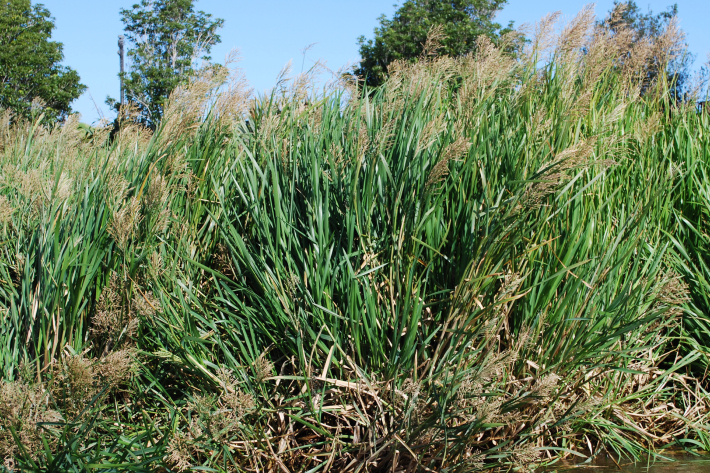
Emergent
Find out more about emergent aquatic plants. -
Tuna - life cycle and leptocephalii
Freshwater eels have an unusual life cycle which sees them travelling between the ocean, estuaries and freshwaters. -
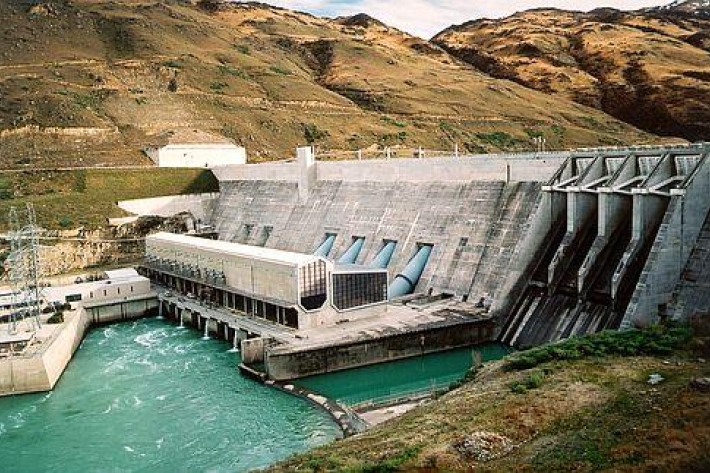
Hydro
Hydro-electricity is a renewable energy source that relies on the inflow of water into storage lakes upstream of a dam. -
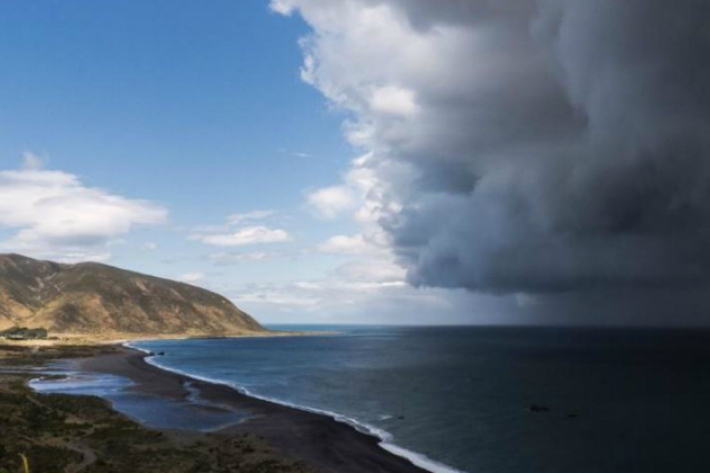
The impact of El Niño and La Niña on New Zealand's climate
El Niño accounts for less than 25 percent of the year-to year variance in seasonal rainfall and temperature at most locations in New Zealand. -
Mitigation and best practice options
Some simple steps to minimise the effects of mining activities on water quality and mahinga kai. -
Kākahi
The kākahi or freshwater mussel was a valuable mahinga kai resource for many Māori. -
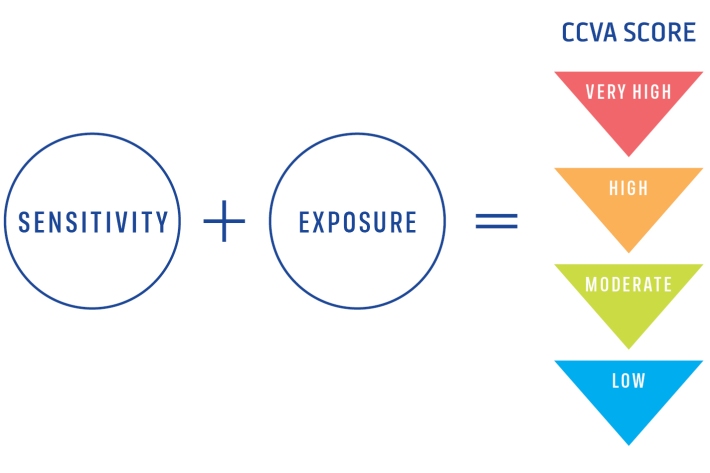
Climate Change Vulnerability Assessment (CCVA)
ServiceTo prepare for changes in climate, our freshwater and oceans decision-makers need information on species vulnerability to climate change. -

What is Kaitiaki Tools?
Kaitiaki Tools is a guide to teach people (especially hapū and iwi groups) who manage the resource consent process.