-

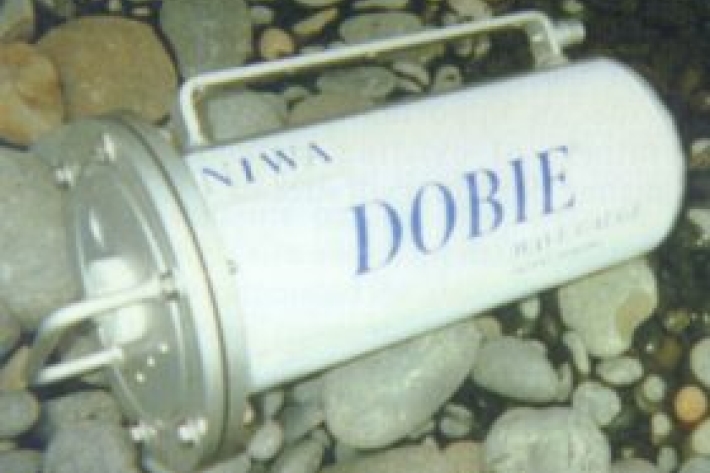
NIWA completes first bathymetric mapping of Lake Tekapo
Media release17 March 2016NIWA researchers have spent part of the last month keeping a close eye on the bottom of Lake Tekapo to find out what it looks like and what is going on below the lake bed. -
Recovering plants for reintroduction to Lake Ōmāpere
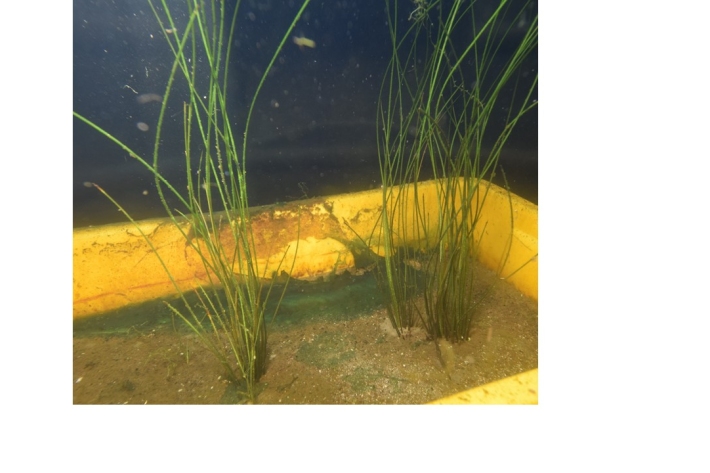
Research ProjectThree plants of an endemic submerged quillwort (Isoëtes) were recovered from Lake Ōmāpere by NIWA in 1998, prior to the lake weed (Egeria densa) dying off and the lake switching into an algal dominated turbid state. No further isoëtes plants have been observed in the lake since that time. -

Mapping our freshwater biodiversity
Research ProjectThe ability to properly manage our freshwater resources requires a solid understanding of the flora and fauna which live in and interact with them. -
LakeSPI method summary
A summary of the LakeSPI method. -

Reporting guidelines
LakeSPI delivers information that is directly applicable to lake-ecosystem conservation and management. -
Uses of LakeSPI
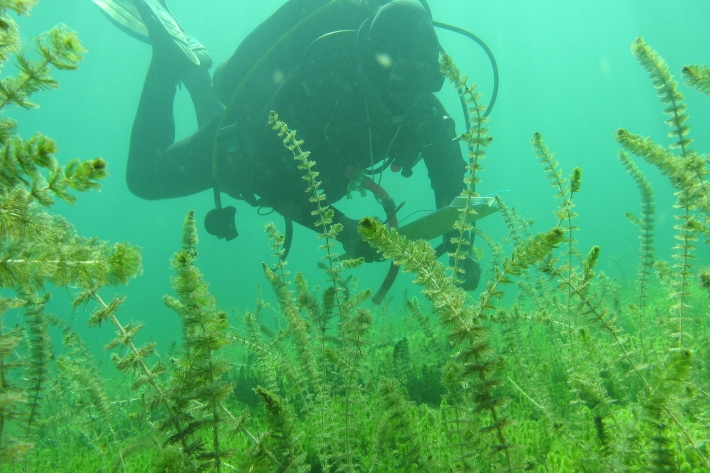
LakeSPI can be used in many ways depending on what the interests or management needs are for a lake. -

How LakeSPI works
LakeSPI (Lake Submerged Plant Indicators) is based on the principle that New Zealand lakes can be characterised by the composition of native and invasive plants growing in them, and the depths to which these plants grow. -

Freshwater pest species
This is a user guide on non-native fish, reptile, invertebrate, algal and plant species that are recorded in New Zealand freshwaters. -
Lake assessment tool earns high honour for NIWA scientist
News article21 October 2011John Clayton, a principal scientist in the fields of aquatic biodiversity and biosecurity based at NIWA's Hamilton office, has won a 2011 Kudos award for his leading role in the development of LakeSPI (Lake Submerged Plant Indicators). -
Freshwater Update
Publication seriesA regular newsletter with updates on New Zealand's water resources and NIWA's latest freshwater research.