-
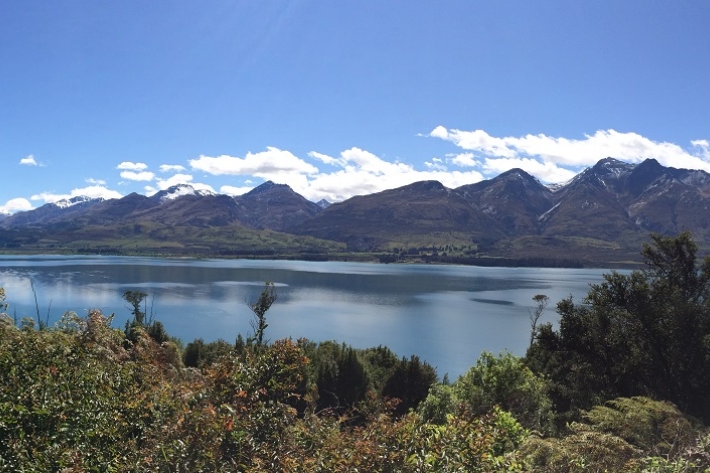
Ngā Kete o te Wānanga: Mātauranga, Science and Freshwater Management
Research ProjectNew Zealand’s freshwater and estuarine resources provide significant cultural, economic, social, and environmental benefits. Competition for the use of these resources is intensifying, and many rivers, lakes and estuaries are now degraded. -

Applying the right tools to restore kōura to lakes and streams
The tools available for restoring kōura to lakes and streams depend on what is causing kōura to decline. -
Are kōura present in your waterway?
First, determine if kōura should be present in your stream. -
Identifying the problem for kōura
Identifying the factors causing kōura numbers to decline will allow you to determine which restoration tools you need to employ. -
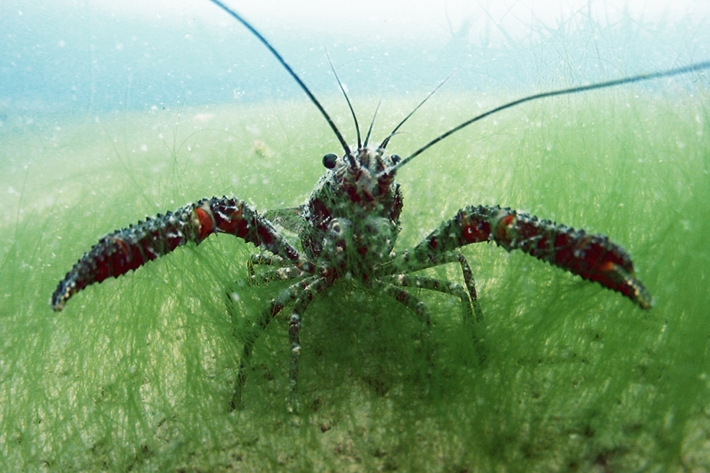
Guide to restoring kōura (freshwater crayfish) in lakes, rivers and streams
Habitat degradation and the introduction of exotic plant and fish species have adversely affected kōura populations throughout New Zealand. However, there are a number of measures that we can use to restore kōura populations in lakes, rivers and streams. -
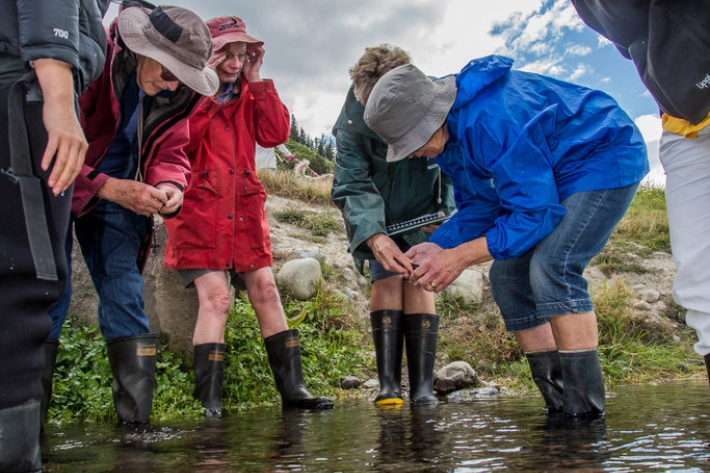
Citizen science monitoring of water a win-win, research shows
Media release12 December 2016New research has revealed that citizen science monitoring of water is a win-win for scientists and volunteers—one gains access to new data, and the other the skills and confidence to become involved in discussions over what is happening to their streams. -

Running off the road
Feature story16 November 2016At a rough count, 700 million litres of rain runs off the nation’s roads every year. That’s enough water to fill almost 300 Olympic-sized pools. -
C-CALM: modelling annual contaminant loads to inform stormwater planning and management
NIWA’s Catchment Contaminants Loads Model (C-CALM) is a spatial decision support system for planning applications. It estimates annual contaminant loads at the neighbourhood to stormwater management unit (sub-catchment) scale, from diffuse sources, for Total Suspended Solids (TSS) and particulate and dissolved zinc and copper. The estimated load is then adjusted for water treatment. -
LakeSPI method summary
A summary of the LakeSPI method. -

Reporting guidelines
LakeSPI delivers information that is directly applicable to lake-ecosystem conservation and management. -
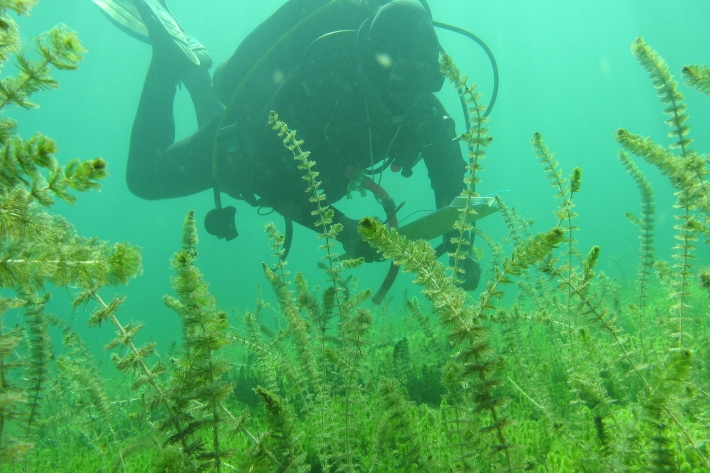
Uses of LakeSPI
LakeSPI can be used in many ways depending on what the interests or management needs are for a lake. -

How LakeSPI works
LakeSPI (Lake Submerged Plant Indicators) is based on the principle that New Zealand lakes can be characterised by the composition of native and invasive plants growing in them, and the depths to which these plants grow.