-

Sediment and agriculture
How may agricultural activities increase sediments in waterways? -

Algal monitoring service
ServiceBlooms of hazardous cyanobacteria (blue-green algae) in rivers, lakes and reservoirs can cause problems for both animal and human health. -
Piharau
Piharau/kanakana are an important mahinga kai species and a prized delicacy for many Māori. -
Sediment and forestry
How may forestry activities increase sediments in waterways? -
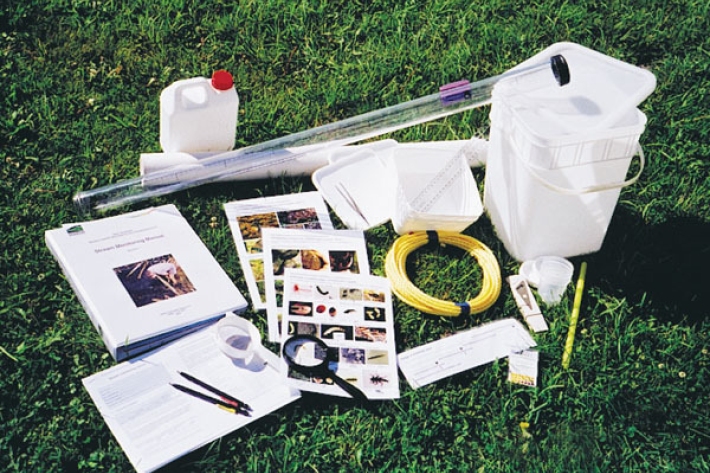
Stream Health Monitoring and Assessment Kit
ServiceHow healthy is your stream? SHMAK - the New Zealand Stream Health Monitoring and Assessment Kit - has been designed to help you find out. -
Further reading
References, further reading, and links to useful websites. -
Sediment and mining
How can mining activities influence sediments in waterways? -
Resources and References
Links to related resources and websites -
Shortjaw kōkopu
Has a receding lower jaw and black spots behind the head. -
Smelt
Smelt have a distinctly forked tail and a strong cucumber smell. -
Sediment and urbanisation
How does urbanisation increase sediments in waterways? -
Overview of SHMAK
An overview of what the SHMAK kit comprises, and various uses for it.