-

Kākahi
The kākahi or freshwater mussel was a valuable mahinga kai resource for many Māori. -
Water temperature and hydro
How do hydro-electricity activities potentially influence waterway temperatures? -
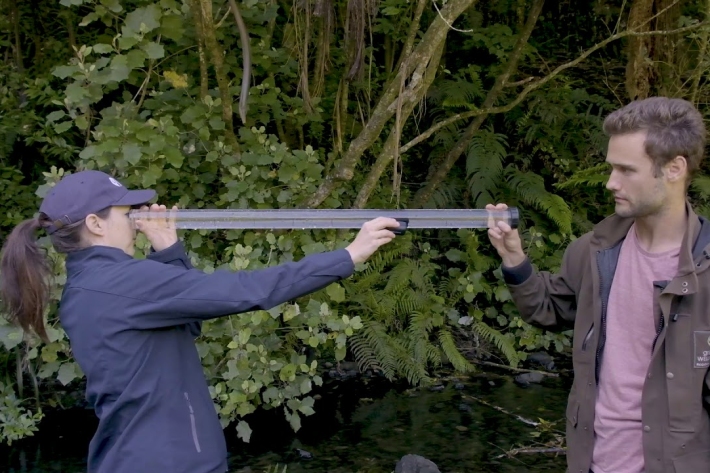
SHMAK water quality – visual clarity
There are two methods to determine visual clarity in SHMAK; the clarity tube (or SHMAK tube) and the black disc method. -
Kanae
Grey mullet have a worldwide distribution and Aotearoa is at the southern limit of their range. -
Water clarity
Water clarity or turbidity is the cloudiness or haziness in a fluid caused by individual small particles (suspended solids). -
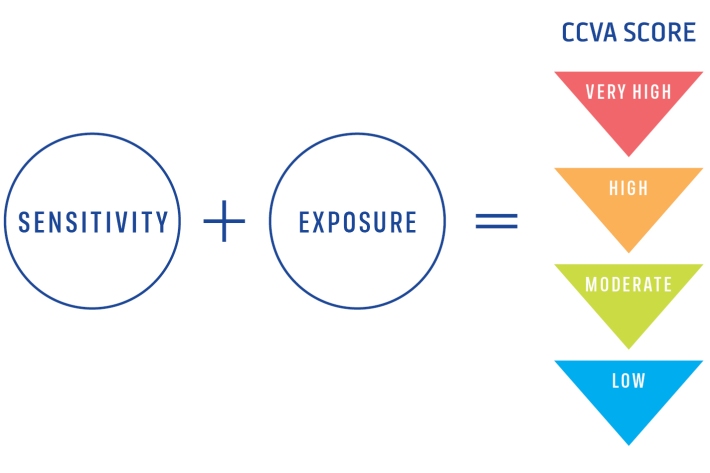
Climate Change Vulnerability Assessment (CCVA)
ServiceTo prepare for changes in climate, our freshwater and oceans decision-makers need information on species vulnerability to climate change. -
Kōaro
Kōaro are excellent climbers and like clear, swiftly flowing, forested streams. -
Causes of sedimentation
What are the potential sources of sediments from land use activities? -
Kōura
There are two species of kōura or freshwater crayfish in Aotearoa. -
Proud of your plants? 1 June 2017
News article01 June 2017NIWA is doing a nationwide study to discover what makes the best riparian projects. Help us give you the knowledge to make the best riparian management decisions possible by taking our 5 minute survey. -
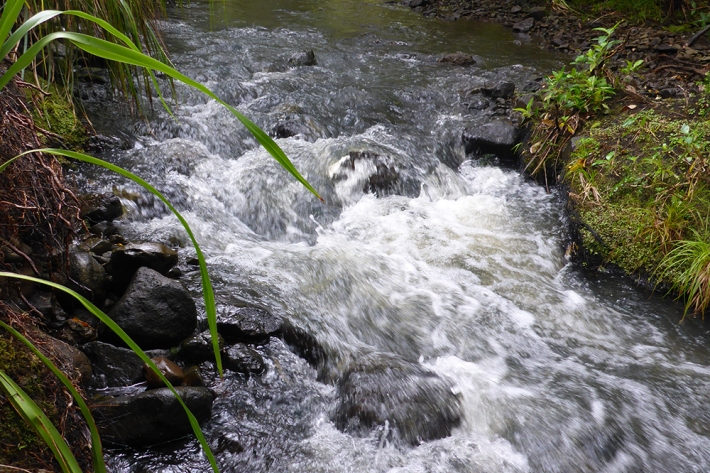
NIWA Technical Background report for MfE “Clean Water” Swimmability Proposals for Rivers
News article11 May 2017NIWA provides technical background information on "Clean Water" swimmability proposals.