-
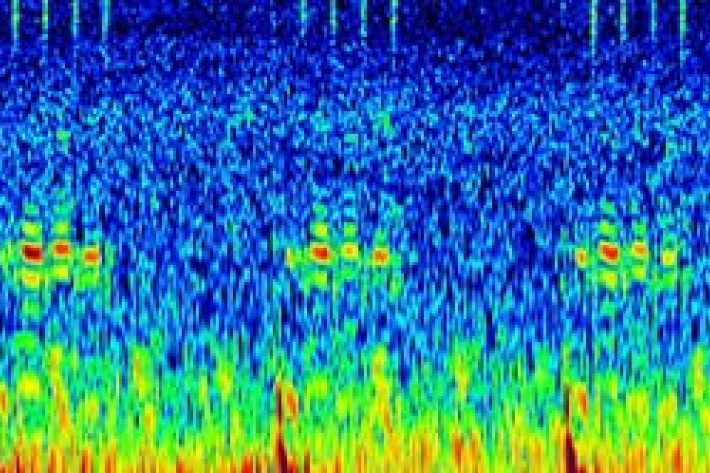
Acoustic recordings of rare whale species in Cook Strait
-

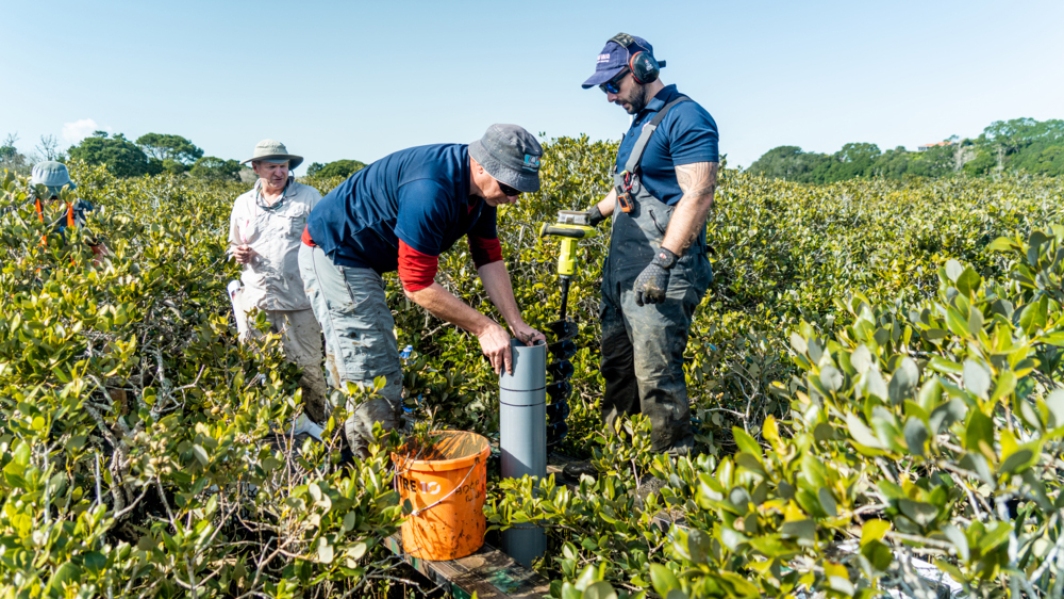
Managing mangrove expansion
This manual aims to provide the guidance needed to manage mangrove expansion, while maintaining the ecological integrity of estuaries and harbours. -
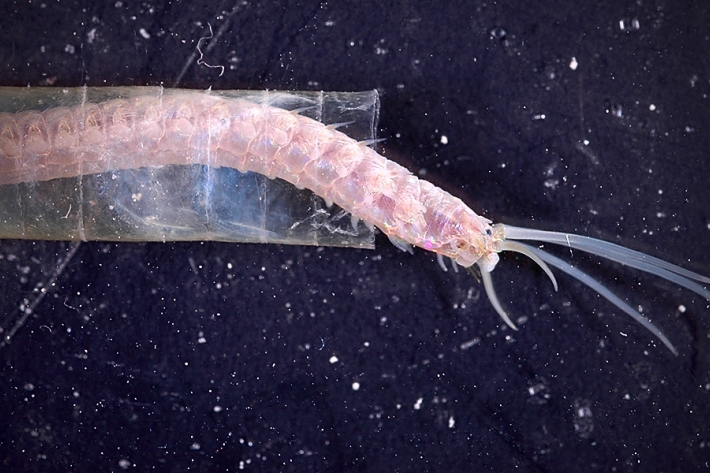
Critter of the week: Hyalinoecia quill worms - Big rig truckers of the sea
In this critter "quill" is not part of a feather but rather a unique tube built by a polychaete worm that lives in it. -

Recording underwater biodiversity after earthquakes
-
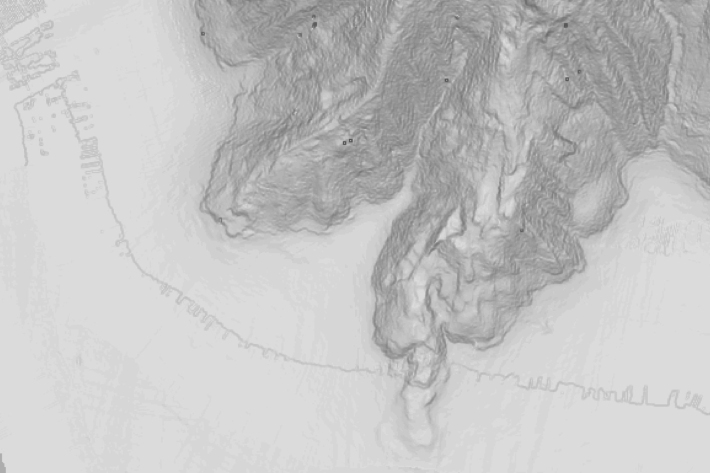
Massive mudslides in Kaikōura Canyon destroy seabed life
Media release27 February 2017Huge mudslides from November’s earthquakes have wiped out all organisms living in the seabed of the Kaikōura Canyon. -
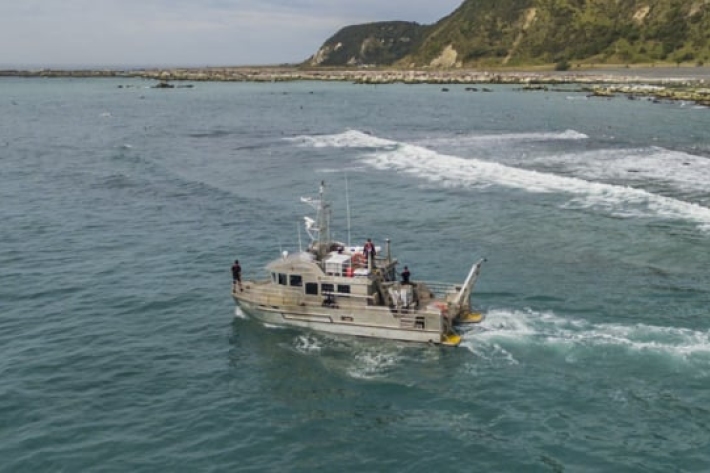
Earthquake’s Unseen Impact
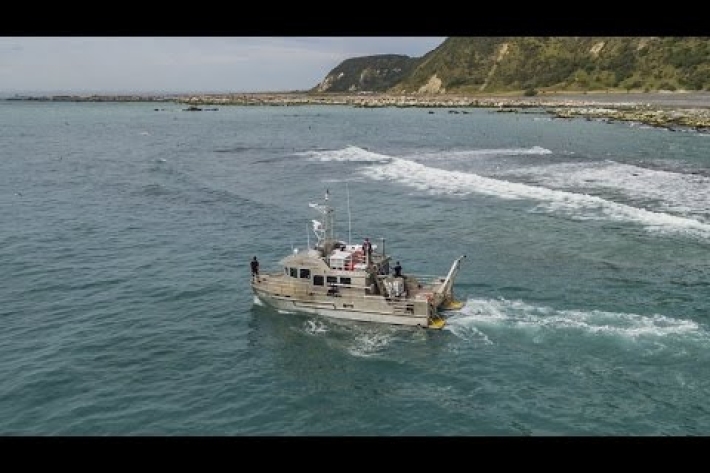
NIWA scientists on board RV Ikatere have been surveying the coastal area around Kaikoura for the first time since November's magnitude 7.8 earthquake. -
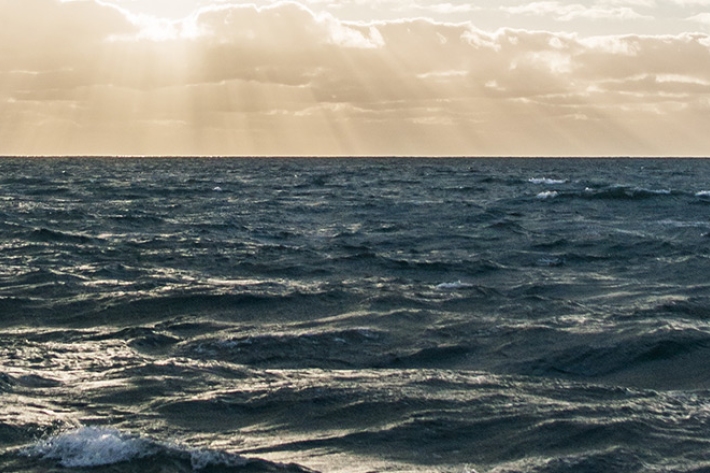
Sustaining the sea
Feature story22 February 2017We examine how the Sustainable Seas National Science Challenge plans to enhance the use of marine resources within biological constraints. -
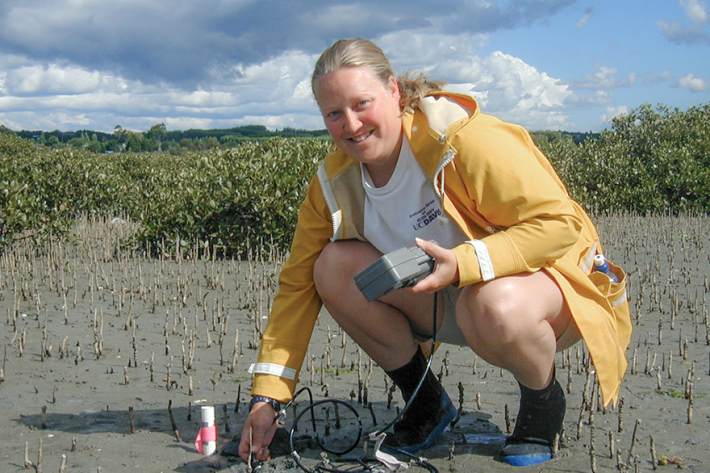
Muddy sinks
Feature story22 February 2017New Zealand’s mangrove swamps and coastal marshes may be particularly adept at absorbing and storing the carbon we emit. -
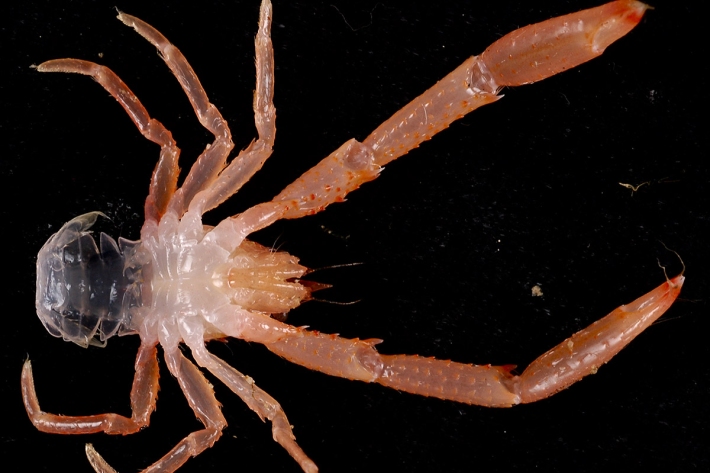
Critter of the Week: A squat lobster for a star!
Squat lobsters are known for their lengthy eyelashes and come in many different sizes from the mighty Munidopsis aries (90mm carapace length) to some species which have bodies only a few millimetres long. -
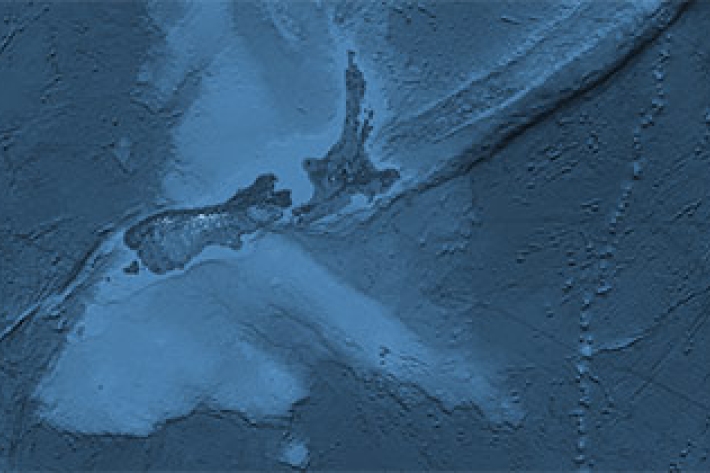
Important submarine canyon ecosystems at risk
News article03 February 2017A NIWA scientist is calling for greater protection of submarine canyons around New Zealand as their rich marine life comes under increasing threat from human activity. -

A nod to Ngāmotu
Feature story31 January 2017Barb Hayden is never far from the sea. In fact, it’s been a constant in her life—a personal and professional passion.