-

Map E North
Education ResourceSheltered by high country to the west, the eastern zone of the North Island enjoys a dry, sunny climate. -
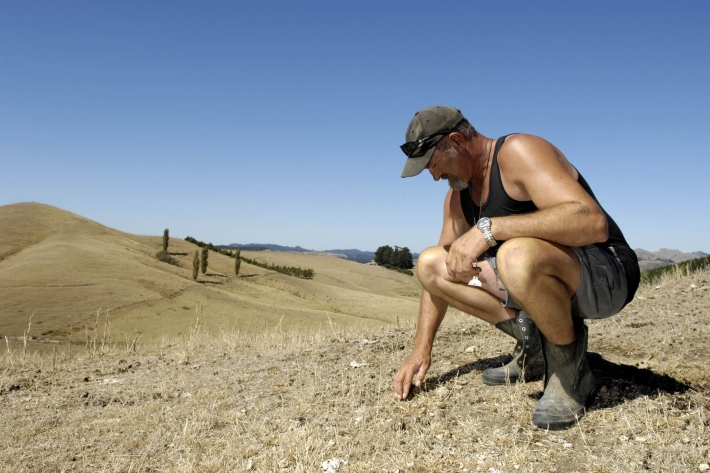
Droughts
Generally speaking, a drought is defined as a rainfall deficit which restricts or prevents a human activity – for example, farming or power generation. -
Exploration sector
Hydrocarbons, although requiring increasingly responsible use, are still an essential part of our modern economy. NIWA has provided survey and consultancy services related to the exploration of offshore mineral resources for thirty years. -

LakeSPI: Keeping tabs on lake health
Software Tool/ResourceThe condition of many NZ lakes is under threat from land-use changes and the invasion of alien aquatic plants. -
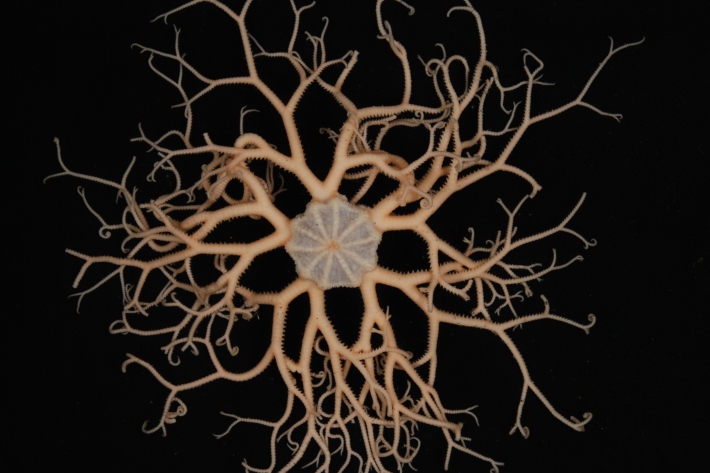
Critter of the Week: The Gorgon’s Head - Gorgonocephalus
A basket star was the first reported animal trawled up from the deep sea back in the early 1800s so they have a spot in the history books of deep ocean exploration. -
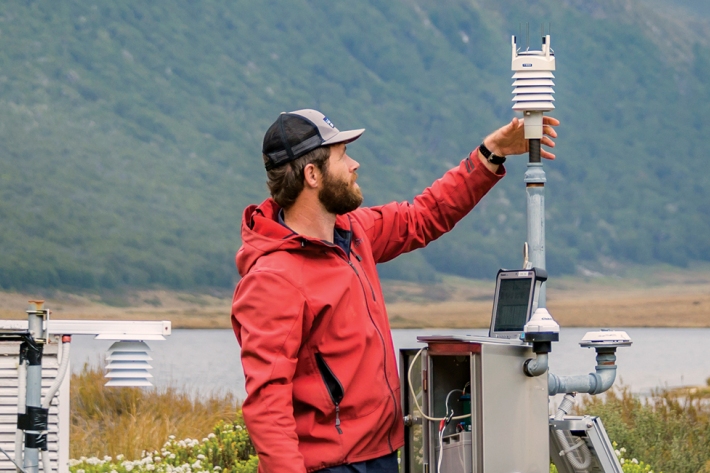
Monthly
Publication seriesMonthly climate summaries from December 2001 to the present. -
Overview of SHMAK
An overview of what the SHMAK kit comprises, and various uses for it. -
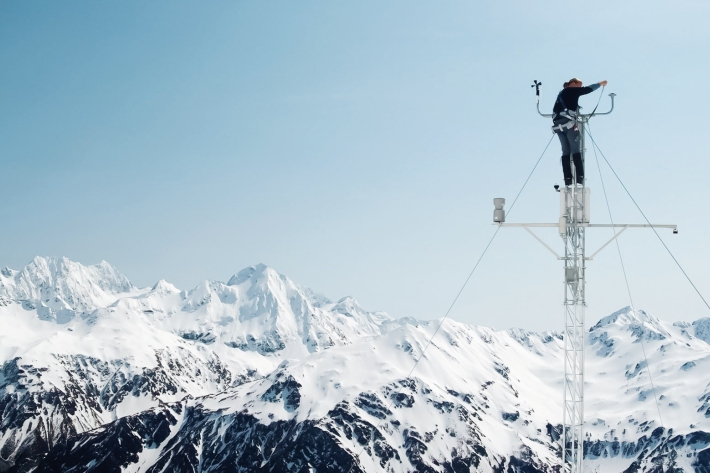
NIWA Instrument Systems
Instrument Systems is a specialised technology-focused consulting group within NIWA. -

Freshwater fish species list
A list all of New Zealand's freshwater fish species. -
West Coast
West Coast is New Zealand’s wettest region, and this may be attributed to its exposure to the predominant westerly airflow over the country, combined with the orographic effect of the Southern Alps.