-

Q&A - Bloomin' algae!
Feature story06 June 2017A hot and steamy summer saw Kiwis heading down to rivers and lakes to cool off. But they weren’t the only ones enjoying the warmer weather – algae had a great time too. -
Chemical contamination and agriculture
What are the potential sources of chemical contamination from agricultural activities? -

Sediment and mining
How can mining activities influence sediments in waterways? -
Climate change, global warming and greenhouse gases
Climate data and common terms explaining the causes and effects of climate change. -
Rain Gauge - OTA OSK15180T
This is the standard precision instrument NIWA uses throughout New Zealand in the National Climate Network, and elsewhere, for rainfall measurement. -
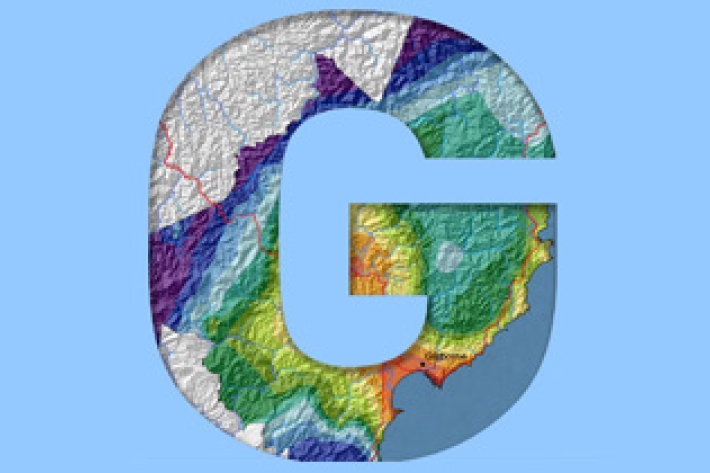
Gisborne
In comparison with regions exposed to the west, Gisborne experiences a greater number of weather and climatic extremes. -
NZ Freshwater Fish Database Help
Learn how to use the New Zealand Freshwater Fish Database (NZFFD) -
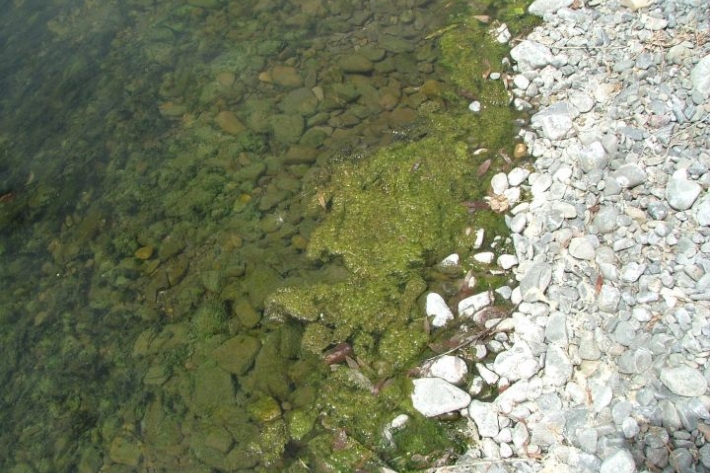
Stream periphyton monitoring manual
This manual prescribes a set of sampling and analysis protocols applicable to most of the common stream habitats in New Zealand. -
Mahinga kai and migration
A high proportion of New Zealand’s native freshwater fish fauna need to migrate to and from the sea. -
Station details
Station height is in metres above mean sea level. Years of data are the number of complete years of data for the 1981 – 2010 period. -
Map Alpine
Education ResourceMountainous areas are subject to heavy snowfalls, high winds, and low temperatures. Semi-permanent snow and ice fields exist at about 1000-1100 metres during winter.