-

Kanae
Grey mullet have a worldwide distribution and Aotearoa is at the southern limit of their range. -
Nutrient overloading
Nutrients in waterways are essential for the growth of algae and aquatic plants but too much can destroy an ecosystem. -
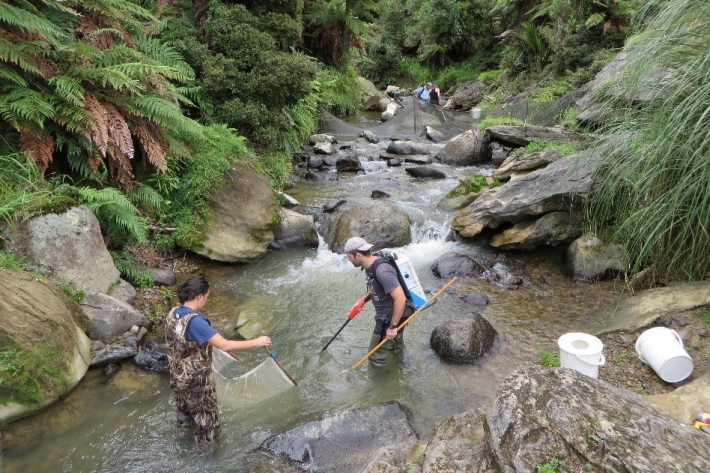
Guidelines for sampling freshwater fisheries
We have prepared a breakdown of the different guidelines that are available for sampling freshwater fisheries. The overview provides links to key documents that explain what should be considered when designing fish monitoring studies and how to implement the various sampling techniques. -
Tau kōura sample collection and processing protocol
Tau kōura is a traditional Māori fishing method commonly used to harvest kōura or freshwater crayfish in areas where they are abundant. -
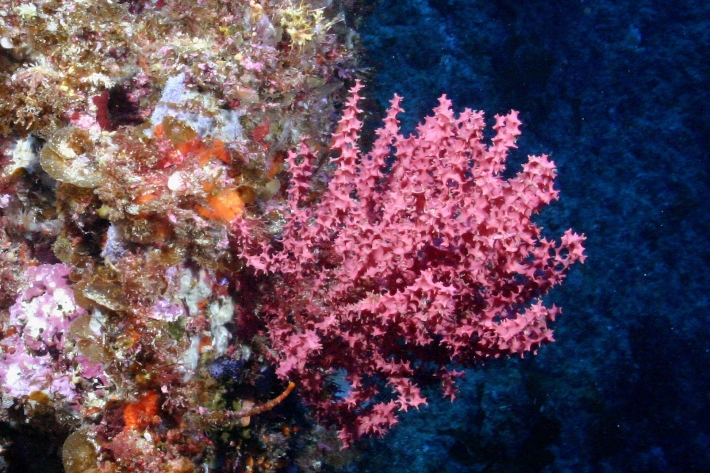
Splendid Sponges
An interactive guide to the sponges of New Zealand. -

Educational Resources
Education ResourceProviding educational resources to school students and teachers is part of NIWA's commitment to helping young New Zealanders discover more about science and technology. -
Map E South
Education ResourceThe climate of this zone is greatly dependent on the lie of the massive Southern Alps to the west. -
Extreme weather - heavy rainfall
Education ResourceHeavy rainfall is one of the most frequent and widespread severe weather hazards to affect New Zealand. -
How do we determine past climate?
Information about past climate is obtained from piecing evidence together from various sources. -
Seafood sector
NIWA's seafood sector work comprises our fish, fisheries and aquaculture research and consultancy. -
Temperature changes
Temperature affects the number and type of animals and plants that live in a waterway. -
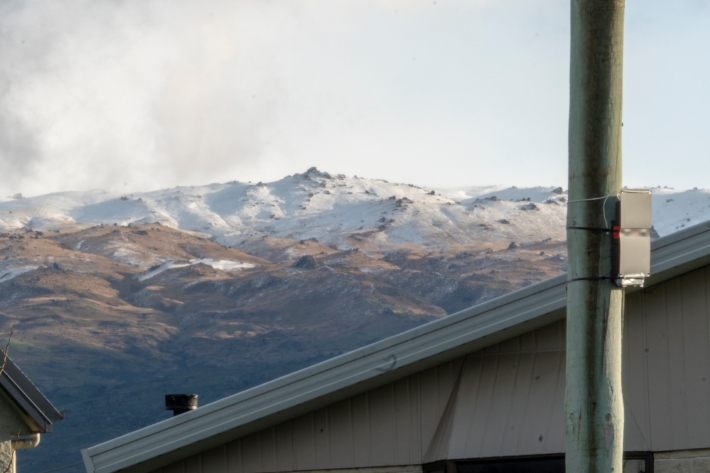
Air quality monitoring with low-cost sensors
ServiceNIWA provides ambient air quality monitoring services using low-cost ODIN (Outdoor Dust Information Node) sensors.