-

Our management
NIWA is managed by an Executive Team reporting to the Chief Executive Officer. Science and operational matters are handled by two sub-groups. -
Banded kōkopu
Banded kōkopu juveniles are very good climbers and will try to escape from buckets by clinging to and wriggling up the sides. -
Estimated bycatch
View data that show reported target catch and estimated bycatch. -
Mitigation and best practice options
Some simple steps to minimise the effects of mining activities on water quality and mahinga kai. -
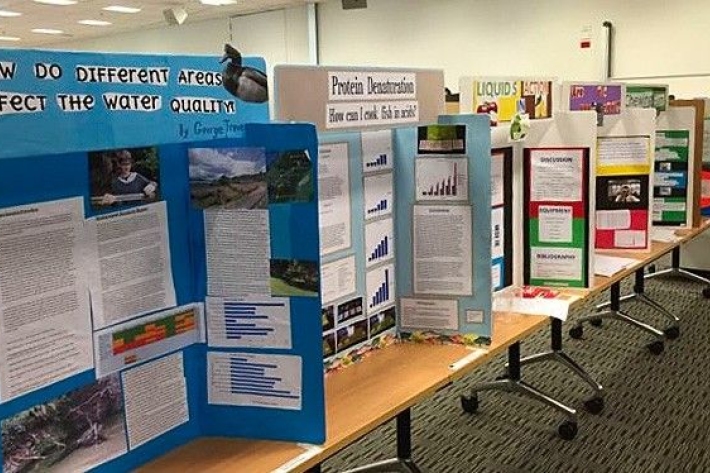
Science and Technology Fairs
NIWA is a major sponsor of the Auckland, Manukau City, North Harbour, Waikato, Wellington, Canterbury and Bay of Plenty – Science & Technology Fairs. -
Weather plots: temperature and relative humidity
Objective: to observe the relationship between temperature and relative humidity. -
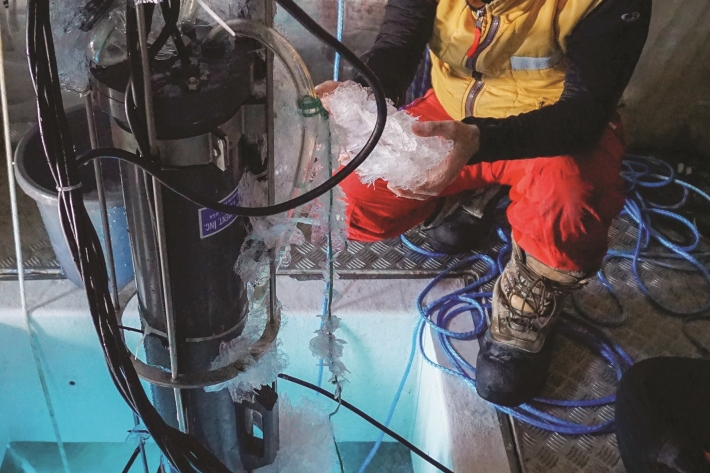
Coldest seawater discovered
Feature story06 June 2017The coldest seawater on earth could help scientists understand why Antarctic sea ice is growing in a warming world -
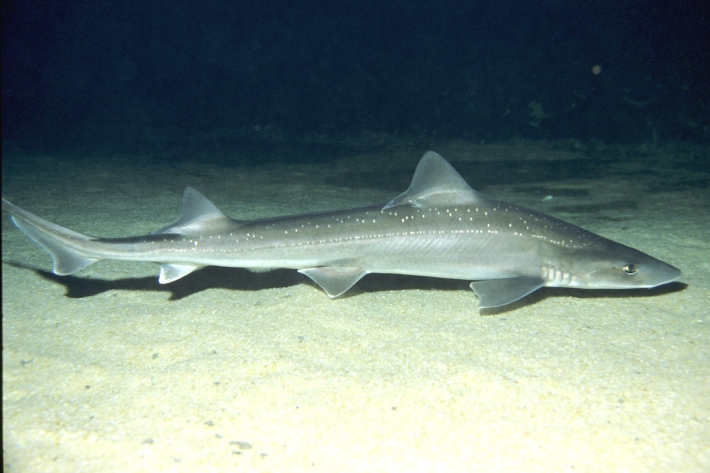
Rig shark
Research ProjectRig shark is an important inshore commercial fish species in New Zealand, and we need to understand more about their habitats, movements, nursery grounds and vulnerability to human impacts to ensure they are managed sustainably and their productivity is enhanced. -
What are greenhouse gases?
Greenhouse gases are atmospheric gases that intercept long-wave (mainly infrared) radiation emitted from the Earth's surface. -
Cloud Imagery
On this page
NZ Region Cloud Analysis Australasian Region Infrared Hemispheric Infrared NZ High-res Visible Contact
All transmissions from GMS-5 are no longer received at NIWA’s satellite reception station in Wellington. We are working on an alternative data feed and will be able to bring back these images later this year. Once we start receiving data again, it will then be calibrated, re-mapped onto standard map projections, and archived. -
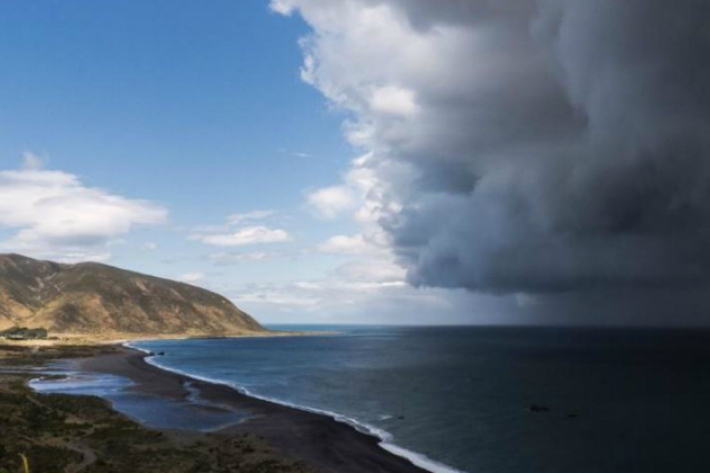
The impact of El Niño and La Niña on New Zealand's climate
El Niño accounts for less than 25 percent of the year-to year variance in seasonal rainfall and temperature at most locations in New Zealand. -
Smelt
Smelt have a distinctly forked tail and a strong cucumber smell.