-
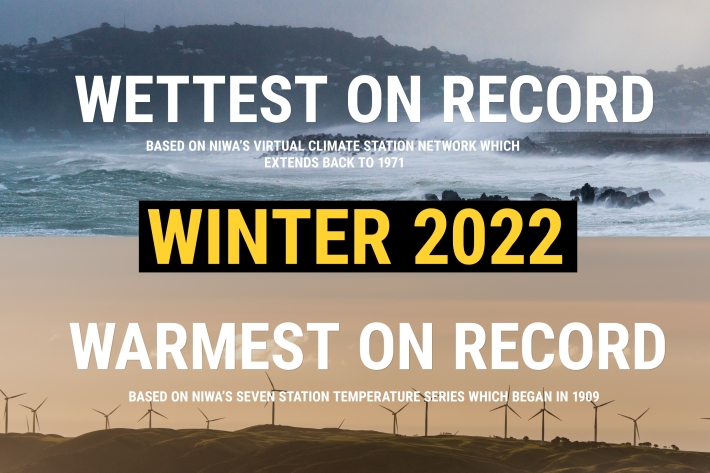
NZ's warmest and wettest winter on record
Media release06 June 2017NIWA’s climate scientists can now confirm what you may have suspected. After carefully poring through more than a century’s worth of data, it has been officially determined that winter 2022 was Aotearoa New Zealand’s warmest and wettest on record. -

Tuna - recreational fisheries
The majority of New Zealanders are able to recall a story about catching eels when they were children. -
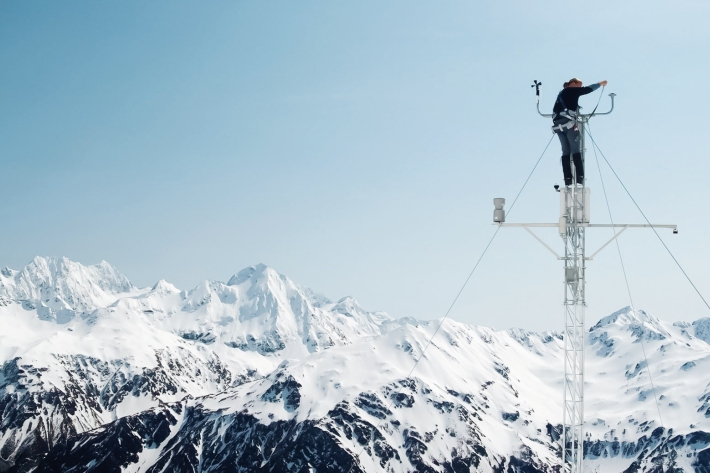
NIWA Instrument Systems
Instrument Systems is a specialised technology-focused consulting group within NIWA. -

Submerged plants as bio-indicators
Submerged plants have a number of advantages that favour their use as indicators of lake ecological condition. -
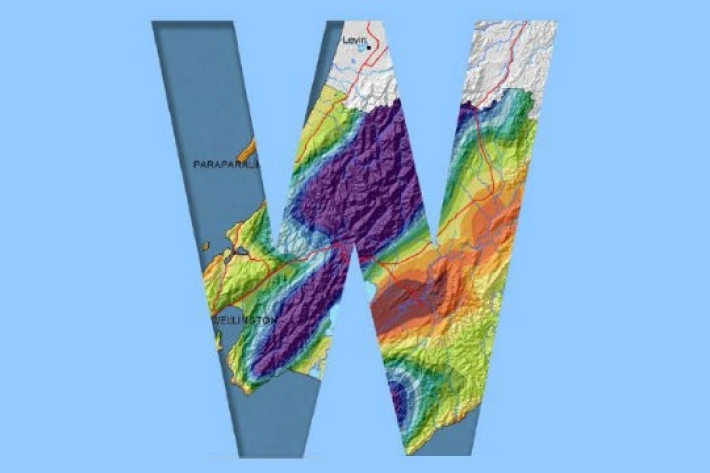
Regional climatologies
A regional climatology is a summary of the typical weather and climate of a region, based on historical data observations made at climate stations located within the region. -

Atlantis ecosystem model
Atlantis is a 3D, spatially-explicit, trophodynamic ecosystem model that integrates biology, physics, chemistry and human impacts to provide a synoptic view of marine ecosystem function. -
What are whitebait?
Whitebait are the juveniles of five species of galaxiidae, a family of fish confined to the Southern Hemisphere. -
Mitigation and best practice options
Some simple steps to minimise the effects of aquaculture activities on water quality and mahinga kai. -
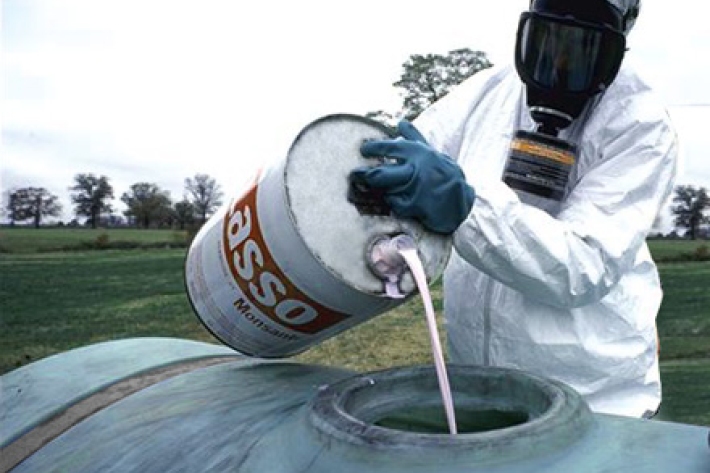
Chemical contamination
Chemical contaminants are chemicals toxic to plants and animals in waterways. -
Tuna - age and methods of ageing
Currently, the most reliable method to estimate the age of tuna is by examination of their otoliths or "ear bones"