-

Biological limitations
Identifying biological factors that may be limiting fish numbers requires sampling to ensure that key invertebrate prey species are not scarce and that pest fish, especially predators, are not abundant. -
Wastewater Treatment
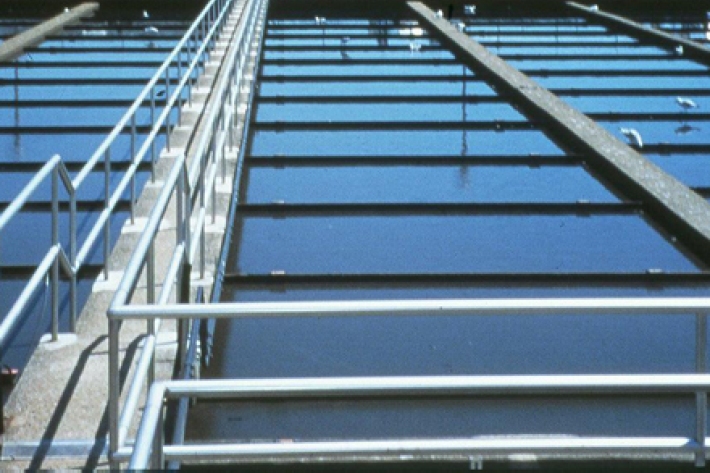
Wastewater treatment is the separation and extraction of solid waste from liquid waste, and the removal of nutrients and pathogens. -
Chemical contamination and aquaculture
What are the potential sources of chemical contamination from aquaculture activities? -
Drought
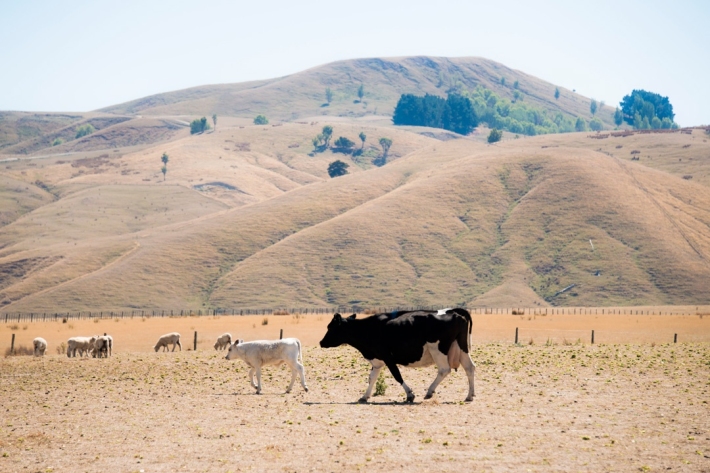
Education ResourceDefining drought and identifying its causes and impacts on humans. -
Southland
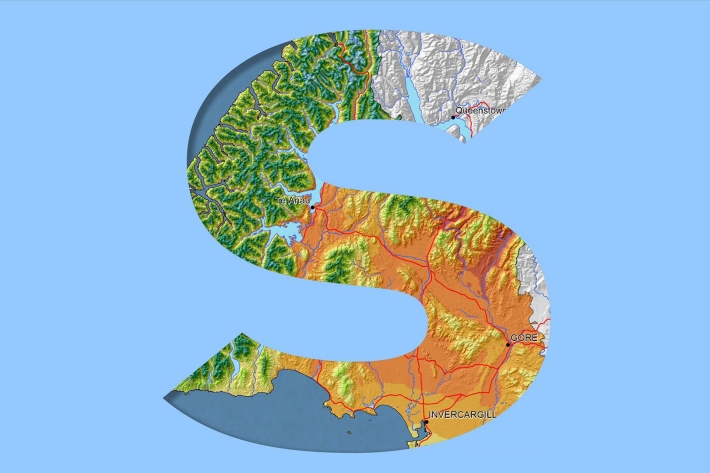
Southland is both the most southerly and most westerly part of New Zealand and generally is the first to be influenced by weather systems moving onto the country from the west or south. -
Summer Series 8: The forces behind beach ‘foam’
News article06 June 2017 -
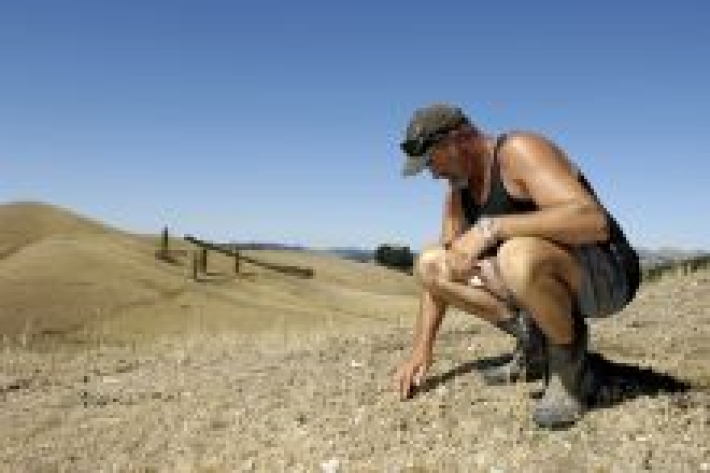
Climate change scenarios for New Zealand
Research ProjectProjections of how climate change is likely to affect New Zealand. -
Cropping activities
The land used to produce crops is usually flat to gently rolling so it can be tilled, sowed, and harvested. -
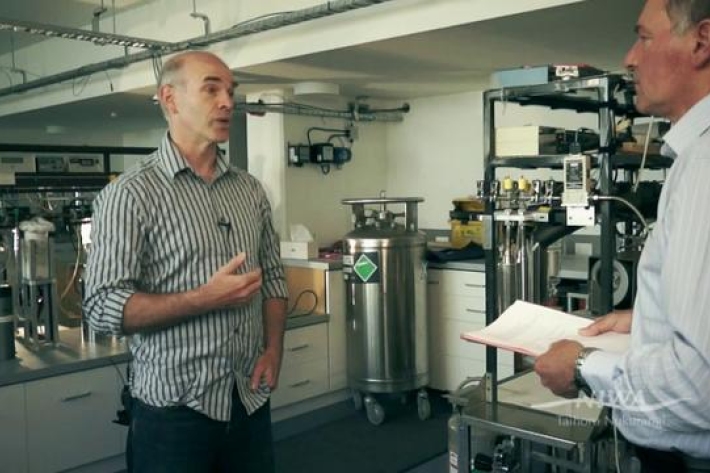
What is Ocean acidification?
NIWA oceanographer Dr Cliff Law explains the impacts of ocean acidification on organisms that use carbonates to build their shells, and on bacteria. -
Sediment and forestry
How may forestry activities increase sediments in waterways?