-
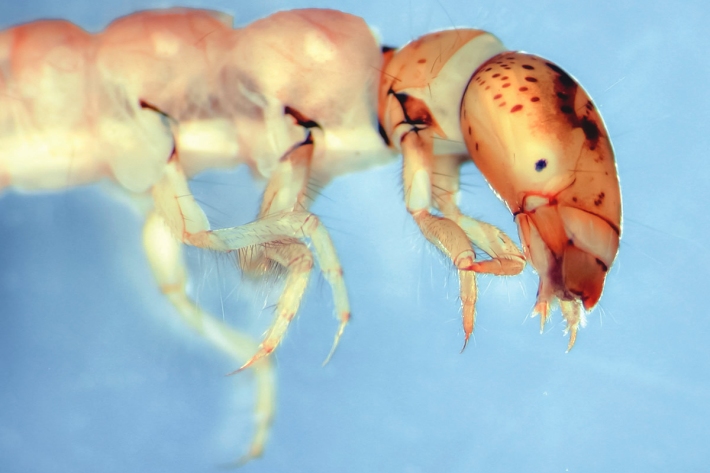
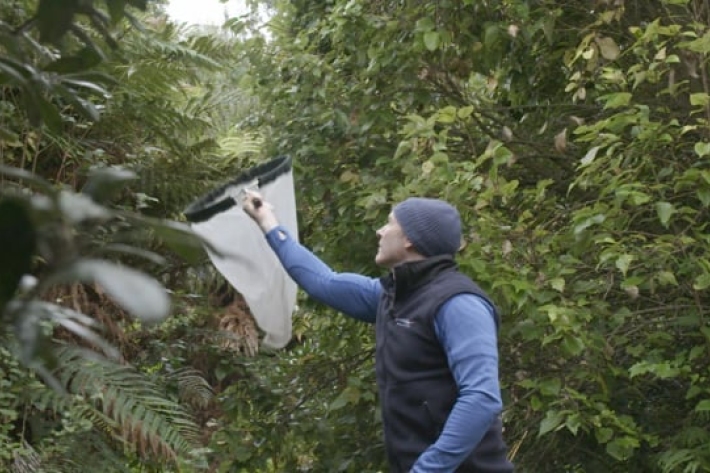
Q&A: Another way to measure river health
Feature story20 June 2017There’s another way of measuring the health of rivers – the health of invertebrate populations that need them, says John Quinn, NIWA Chief Scientist, Freshwater
and Estuaries. -
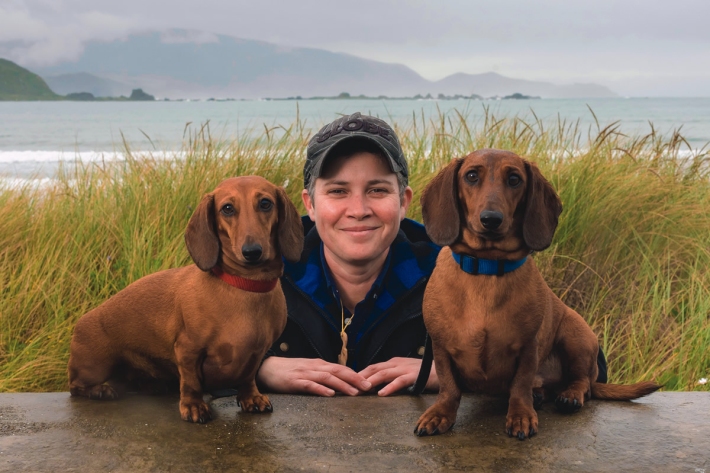
Erica Williams - Where the water is clean
Feature story20 June 2017Erica Williams' story starts with the website of Moerewa School, where pupil Tyra-Lee explains her connection to a very special place in her small Far North town. -

Raising the bar for swimmable rivers
Feature story20 June 2017The government has released the ‘Clean Water’ package of proposed reforms, aimed at making more of our rivers swimmable. But how is ‘swimmable’ to be measured, and do these measures stack up? -
Calculated risk
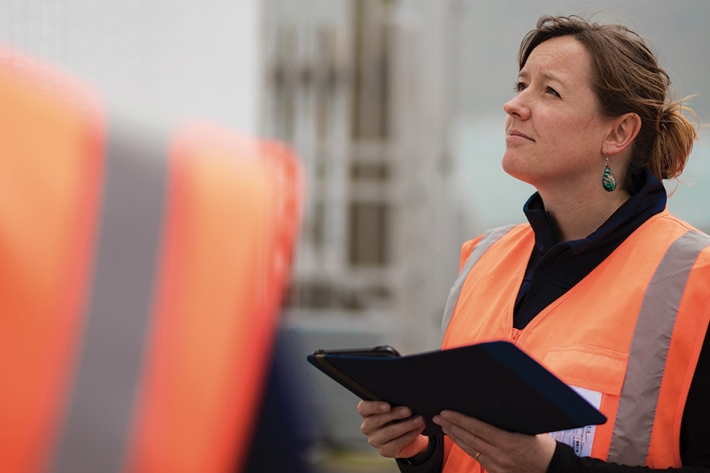
Feature story13 June 2017Imagine if you could foresee what would happen to your home in a severe flood or tsunami, and then work out how to prevent or reduce the impact before any such event occurred. -

Dairy turns the corner
Feature story11 June 2017NIWA's Freshwater and Estuaries Chief Scientist Dr John Quinn believes the dairy industry has been responsive in the tools it has adopted to reduce its impact on waterways. -
New Zealand joins global seabed mapping initiative
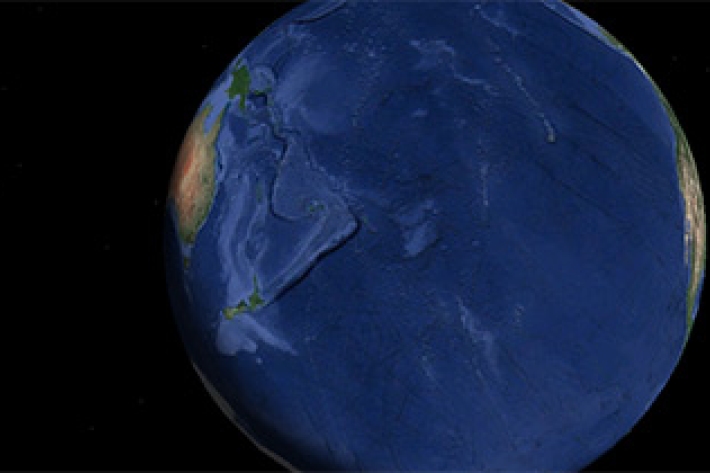
News article09 June 2017New Zealand joins global seabed mapping initiative -

NIWA invests $18 million in New Zealand’s future
Media release08 June 2017NIWA is placing the future of New Zealanders at the heart of its operation by investing in new supercomputers that will significantly enhance scientists’ abilities to solve crucial issues facing the country. -

Scientists eavesdrop on endangered dolphins
News article07 June 2017The critically endangered Māui dolphin is getting a helping hand from scientists this month who are beginning a year-long research project to listen in on them. -

Fisheries stock assessments
To get the most benefit from a fish stock in the long term, we need to maximise our yield without damaging the fish population we rely on. -
Meteorologist for a day
Within a range of meaningful contexts students will be able to make statements about implications and possible actions consistent with the results of a statistical investigation and to find and authenticate data measures such as mean, median, mode, inter-quartile range, and range.