-

Modelling fish species
We have drawn on new developments in statistical modelling based on machine learning to develop environment-based models describing the distributions of thirty native fish species. -
What impacts interest you?
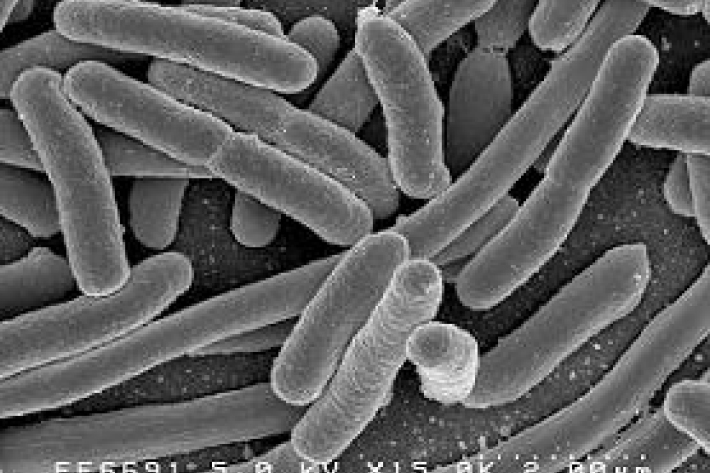
Different land uses and point source discharges can cause a variety of environmental impacts on water quality and mahinga kai. -
Water take, dam, and divert
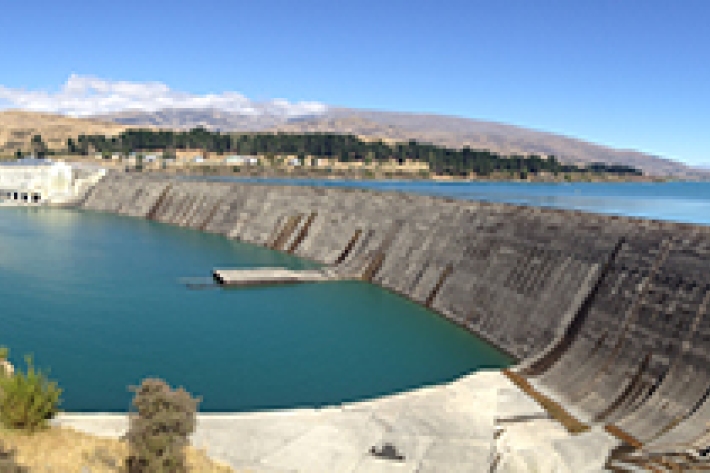
A resource consent is typically required when taking, damming, or diverting water. -
Cropping
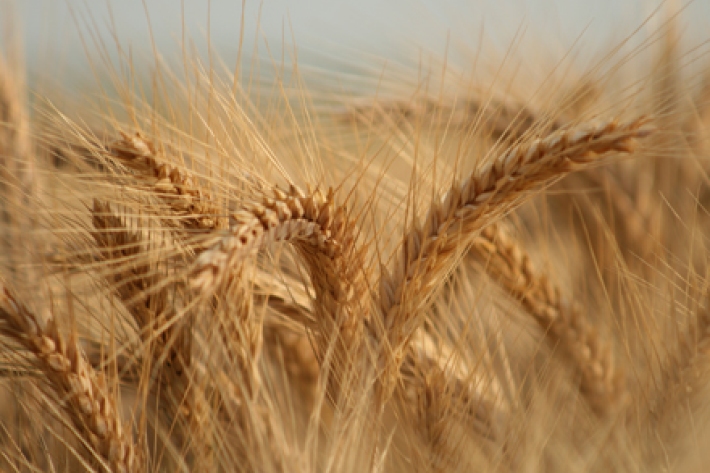
Crops grown for agricultural purposes are mostly produced for animal feed. -
Agriculture
The most common agricultural activities in Aotearoa are dairy, cropping, sheep, and beef farming. -

Bio-oil from wastewater algae
Research ProjectThis project will demonstrate the commercial feasibility of producing bio-oil by the conversion of algae biomass that has been grown in wastewater treatment facilities. In particular we aim to maximise algae production in High Rate Algal Ponds (HRAP) by adding carbon dioxide, and demonstrate energy efficient conversion of algal biomass to bio-oil. -
Cyclone Bola still making its mark after 21 years
News article02 April 2009 -
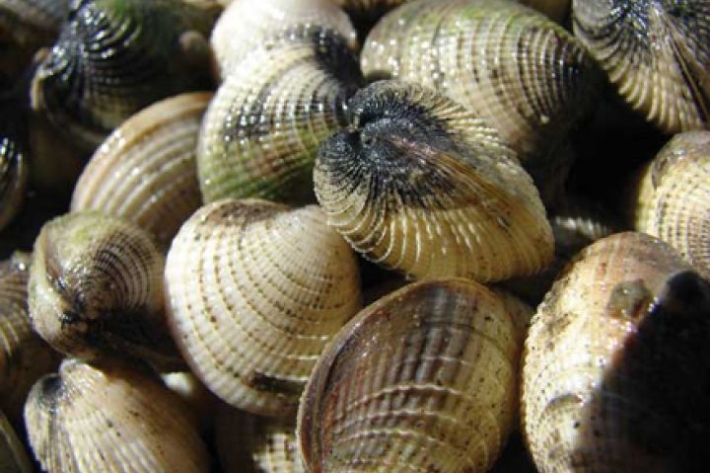
Estuarine Ecodiagnostics
Research ProjectEstuaries are highly valuable systems that provide enormous economic and cultural benefits to all kinds of people. However, expanding human populations and urban development around estuaries is increasing contaminant loads, with metals and polycyclic aromatic hydrocarbons (PAHs) accumulating in sediments. -
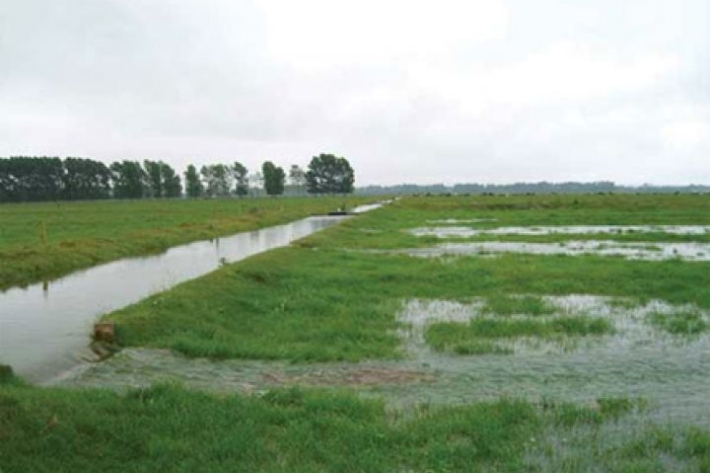
Forecasting irrigation potential: a case study in the Waimakariri River catchment
Research ProjectFarmers rely on irrigation, but water is a limited resource and little is know about how to manage it best. NIWA has developed a hydrology and soil science model to show how much to water, and when, to get the best results. -
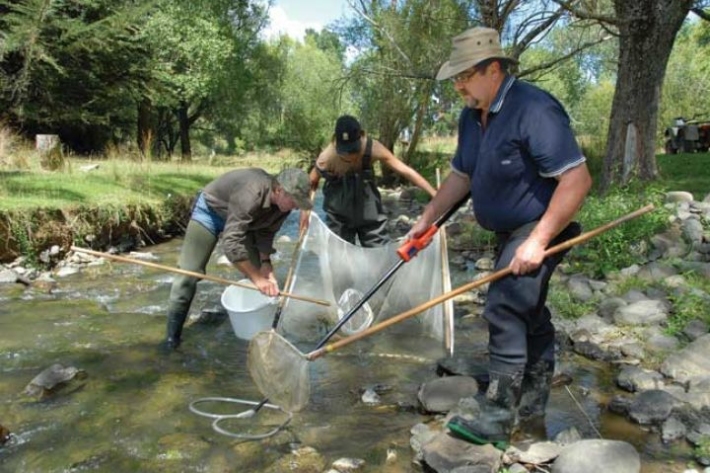
Habitat requirements of New Zealand freshwater fish
Research ProjectNew Zealand's rivers and streams, and the diverse fish that live in them, are worth protecting. But the question of which species prefer to live where was unanswered until NIWA completed this major survey. -
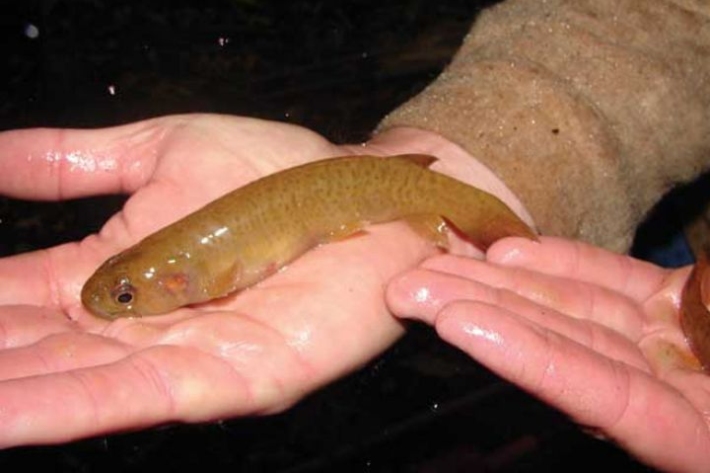
Restoring Kōaro in the Rotorua lakes
Research ProjectThe kōaro was once abundant in the Te Arawa lakes near Rotorua in New Zealand’s North Island. NIWA has assessed the viability of restoring this species in the region. -
Shallow lakes restoration workshop
Shallow lakes are highly valued but often degraded in New Zealand.