-

Quality Assurance for Community-Based Monitoring
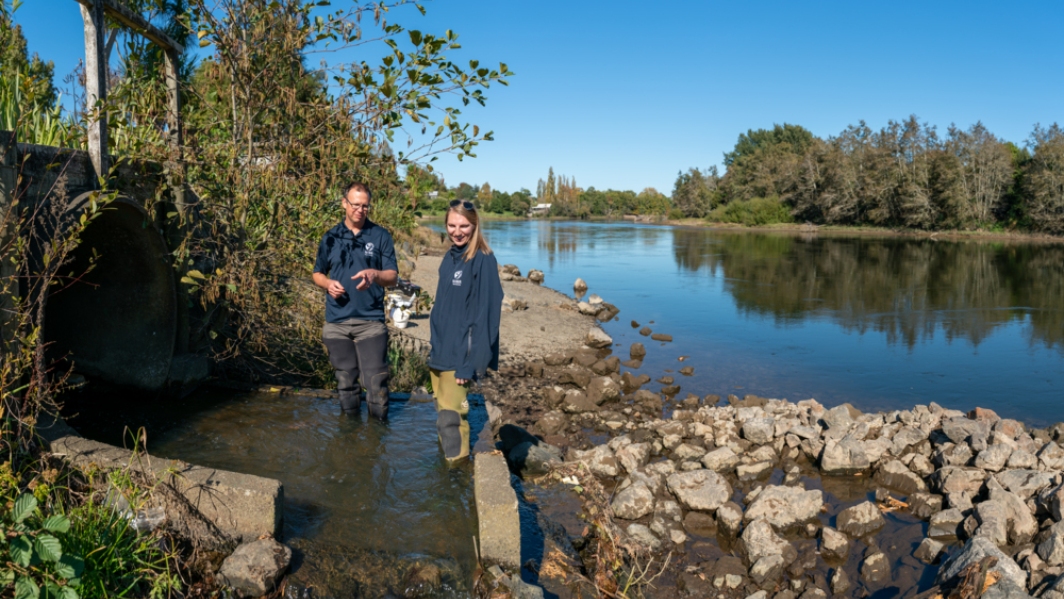
A national quality assurance (QA) framework for community-based monitoring (CBM) of Aotearoa New Zealand’s freshwaters. -
Order Form
Details for how to order our Stream Health Monitoring and Assessment Kit. -
Predictive model
A predictive model Knowledge Network Model for koura in the Te Arawa lakes developed using the Bayesian Belief Networks approach. -
Conceptual models
We've developed conceptual models for each of our study species. These models describe our current understanding of the factors influencing their distribution and abundance in the Te Arawa lakes, as well as the relationships between the various factors. -
Sustainable management framework for Te Arawa Lakes customary fisheries
Research ProjectNIWA and the Te Arawa Lakes Trust have developed a sustainable management framework for customary fisheries in Te Arawa lakes, as part of a joint 3 year research programme. -
Freshwater Update
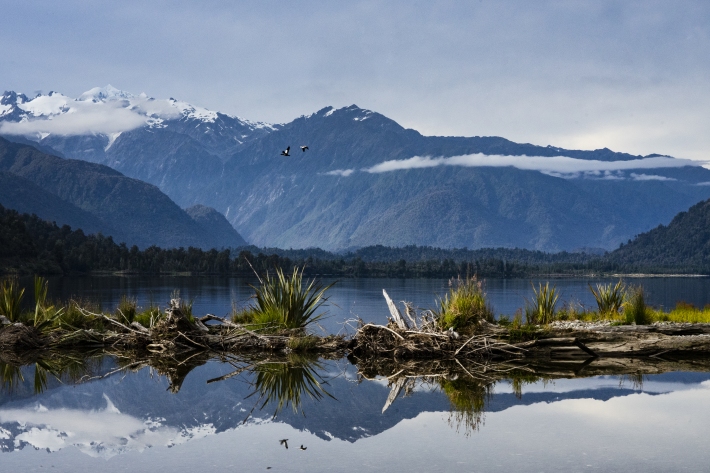
Publication seriesA regular newsletter with updates on New Zealand's water resources and NIWA's latest freshwater research. -
Estuary monitoring by communities
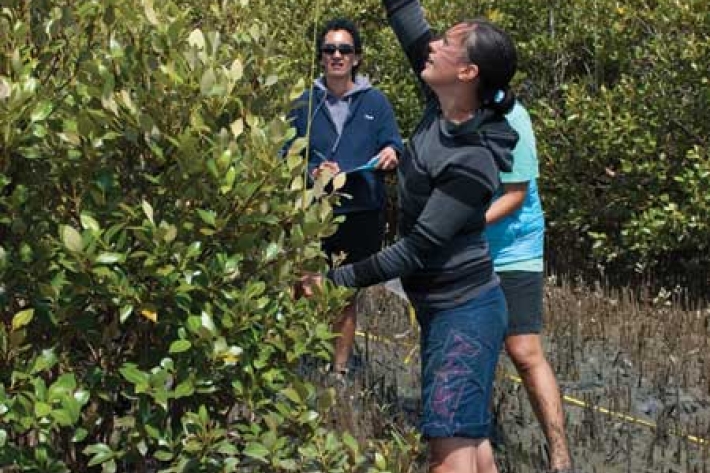
These guidelines outline a recommended minimum set of methods for a community group interested in following habitat changes in an estuary. -
Estuaries publications
Where an online version is not available, a PDF is provided. Use your browser’s Back button to return to this page.
Bell, R.; Green, M.; Hume, T.; Gorman, R. (2000). What regulates sedimentation in estuaries? Water & Atmosphere 8(4): 13–16.
Davies-Colley, R.; Nagels, J.; Donnison, A.; Muirhead, R. (2004). Flood flushing of bugs in agricultural streams. Water & Atmosphere 12(2): 18–20.
Green, M. (2003.) The dance of the turbid fringe. Water & Atmosphere 11(2): 20–21.
Green, M.; Ellis, J.; Schwarz, A.-M.; Lind, D.; Bluck, B. (2003). -
Resource Management Act
The Resource Management Act 1991 (RMA) dictates how we are to manage our physical environment, including the coast and estuaries. -
Models
A model is a representation of a “real thing”. Usually, the model is simpler in some or many ways than the real thing; the model simulates the behaviour of the real thing; and the model can be used to predict the future behaviour of the real thing. -
Monitoring
Monitoring is often an expensive exercise, but it does not have to be. -
What now?
Estuaries are more than just the mudflats that we cross on the way to the beach. Of course they have intrinsic value – what natural environment doesn’t? – but they also provide us humans with a range of ecological services that help to sustain the quality of our environment, and with amenities that we all enjoy, and sometimes profit from.