-
Charts
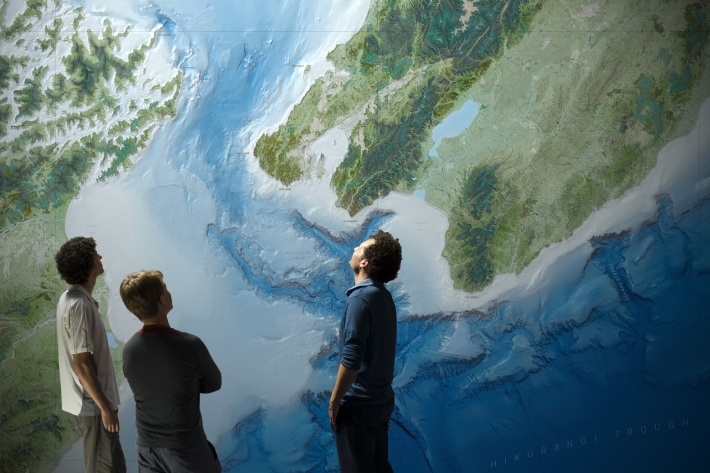
Publication seriesCharts of coastal bathymetry, sediment, and other information are available for purchase. -

Scientists set to delve into the secrets of the Cook Strait mega-canyon
News article06 June 2017 -

Wave hazard research
Research ProjectNIWA collects wave data, develops and verifies wave forecasting systems, and is developing and producing wave projections. -
Mangroves: to clear or not to clear?
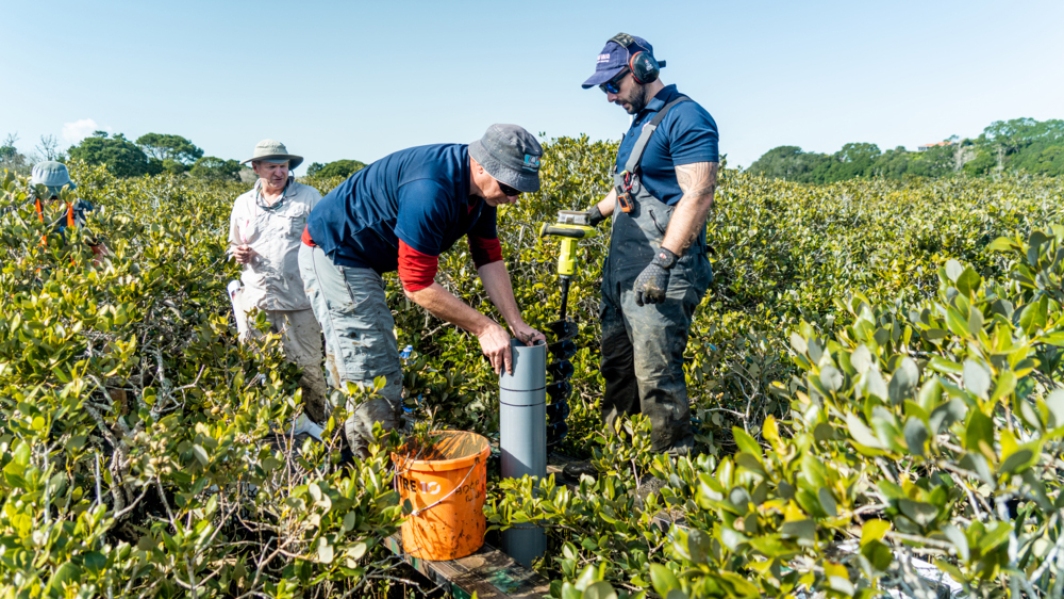
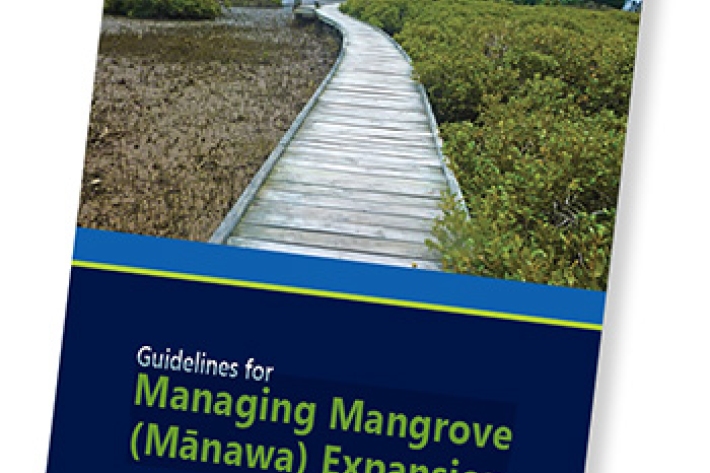
Media release19 May 2017NIWA scientists have written a guide for managing mangroves, prompted by a desire for people to learn more about mangrove ecosystems, and what happens when they are removed. -
When the sea gives back – a story of luck and decency
Media release15 May 2017NIWA puts a lot of things in the ocean—instruments tied to moorings, floats that dive up and down measuring what’s going on in the water, and video cameras that monitor fish. -

Paradise for eels? Getting to know the secrets of NZ's new icon
Feature story09 May 2017As New Zealand's "Mr Eel", Niwa's Dr Don Jellyman has heard every tall tale. And some of them may be true. -

Toolkit development
A number of individuals, organisations and hapū have contributed to the development of Ngā Waihotanga Iho. -
Getting started
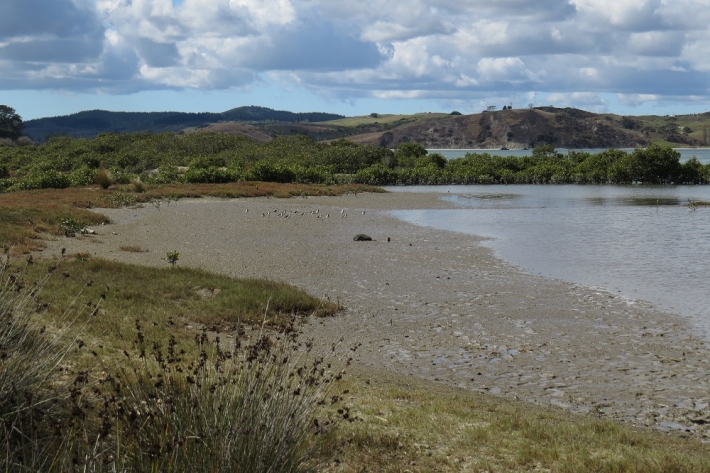
Traditionally, tangata whenua have collected information about estuaries to monitor resources, such as kaimoana, and to make decisions about conservation measures, such as rähui. Increasingly, tangata whenua are using scientific tools to help monitor their natural resources and Ngä Waihotanga Iho provides a science perspective for talking about environmental issues and concerns related to estuaries. -
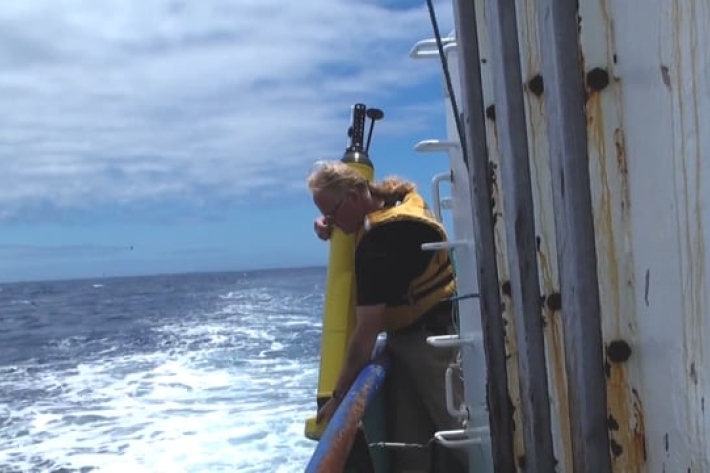
ARGO - measuring salinity and temperature across the oceans 5 April 2017
Since the early 2000s, NIWA has been part of the international Argo programme. Argo floats take the pulse of the oceans, collecting and distributing temperature and salinity observations from a global network of more than 3700 underwater robots.