-
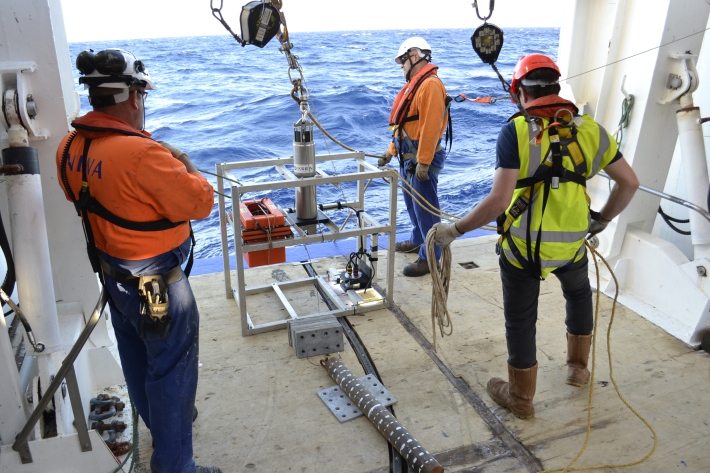
Scientists explore deepest parts of the Kermadec Trench
Media release06 June 2017Scientists exploring the Kermadec Trench believe they have retrieved the deepest ever sediment sample from the bottom of the ocean using a wire-deployed corer. -

Seafood sector
NIWA's seafood sector work comprises our fish, fisheries and aquaculture research and consultancy. -
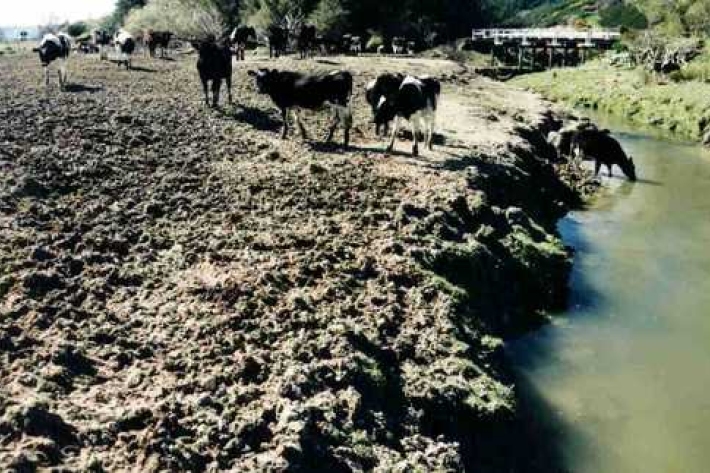
Loss of riparian vegetation
Plants and trees along the water margins and banks are called riparian vegetation. -
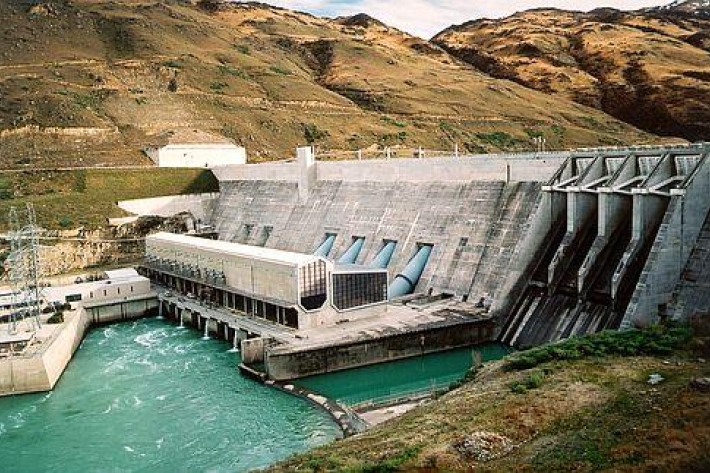
Hydro
Hydro-electricity is a renewable energy source that relies on the inflow of water into storage lakes upstream of a dam. -
Mean daily maximum temperatures (°C)
These datasets are available in a range of formats. -
Coralline Algae
This identification guide covers the common crustose coralline algae found in central New Zealand. -
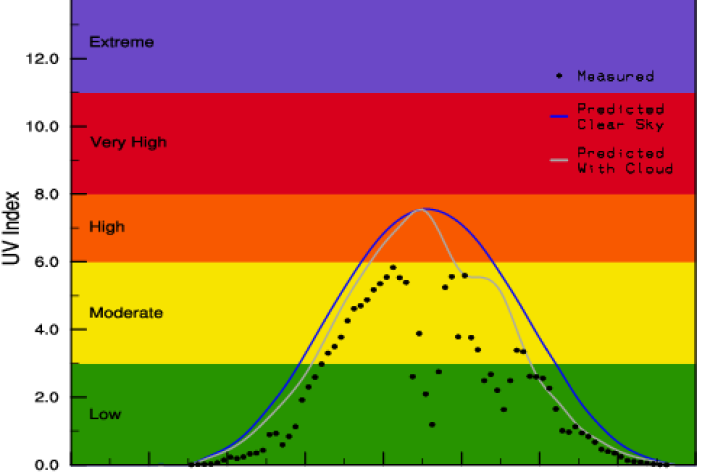
Yesterday's UV Index
Plots of UV levels throughout the day at different locations. -
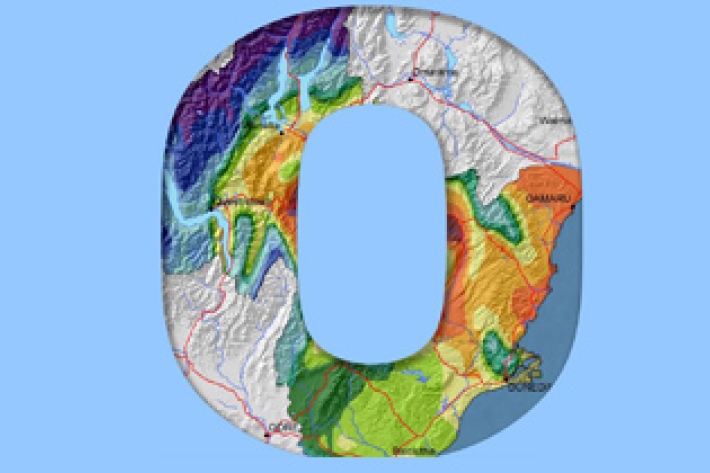
Otago
The climate of Otago is perhaps the most diverse of any region in New Zealand. -
Map Scott
Education ResourceScott Base, Antarctica Antarctica is the coldest, windiest and driest continent. -
Tuna - diet
Longfin eels are the largest and longest-lived fish in New Zealand's freshwaters, and where they are present they are the top predator. -
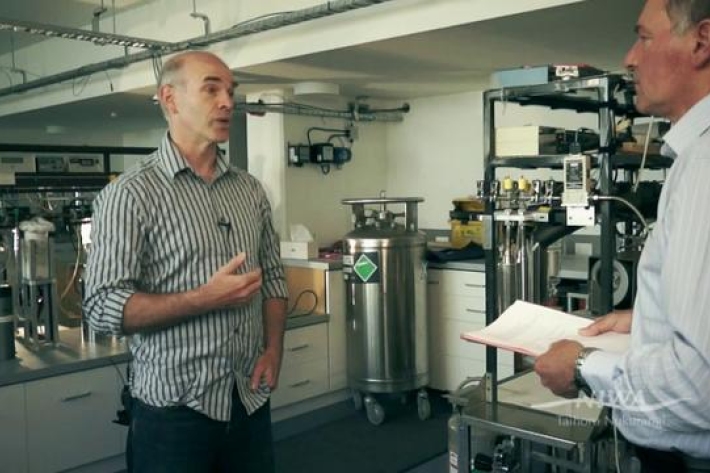
What is Ocean acidification?
NIWA oceanographer Dr Cliff Law explains the impacts of ocean acidification on organisms that use carbonates to build their shells, and on bacteria.