-

Cloud Imagery
On this page
NZ Region Cloud Analysis Australasian Region Infrared Hemispheric Infrared NZ High-res Visible Contact
All transmissions from GMS-5 are no longer received at NIWA’s satellite reception station in Wellington. We are working on an alternative data feed and will be able to bring back these images later this year. Once we start receiving data again, it will then be calibrated, re-mapped onto standard map projections, and archived. -

River Environment Classification
The River Environment Classification (REC) is a database of catchment spatial attributes, summarised for every segment in New Zealand's network of rivers. -
Smelt
Smelt have a distinctly forked tail and a strong cucumber smell. -
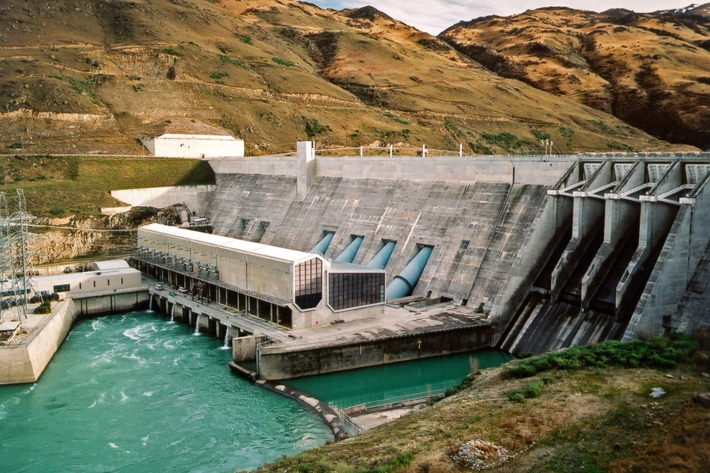
Water dams
Damming water for urban use, hydro-electric power generation, irrigation, and other industrial and commercial uses. -
Statement of Corporate Intent
This Statement of Corporate Intent (SCI) sets out NIWA's strategy for delivering against its core purpose over the next five years. -
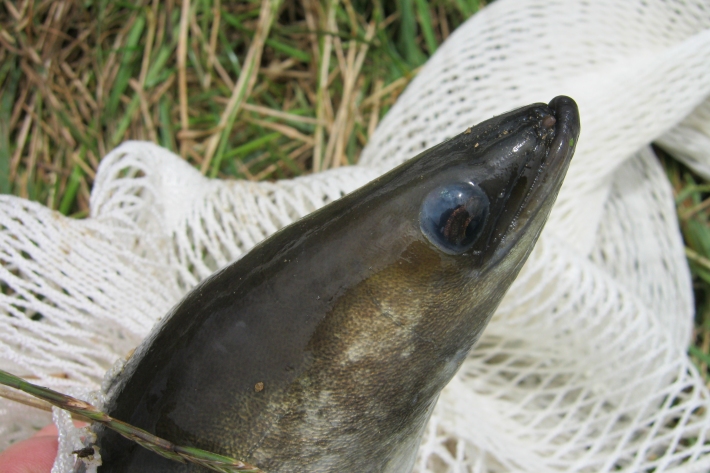
Tuna information resource
Tuna, or freshwater eels, are the most widespread freshwater fish in New Zealand. This 'living' educational resource summarises a large amount of scientific and technical literature. -
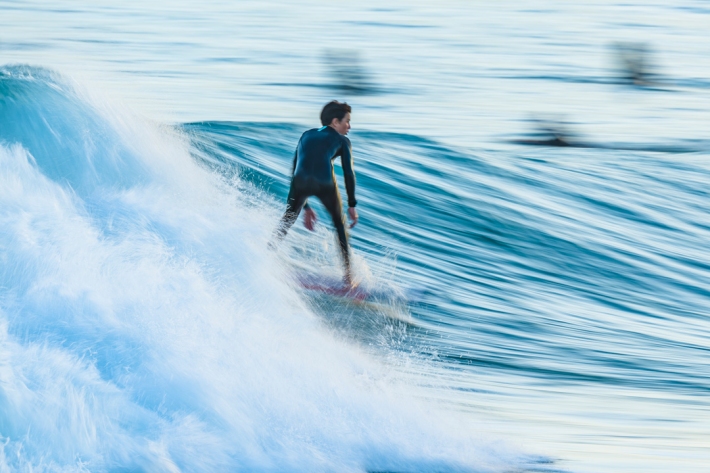
Coming from overseas?
If you're moving to join us here at NIWA, we want to say thanks for choosing us by helping you with your big move. -
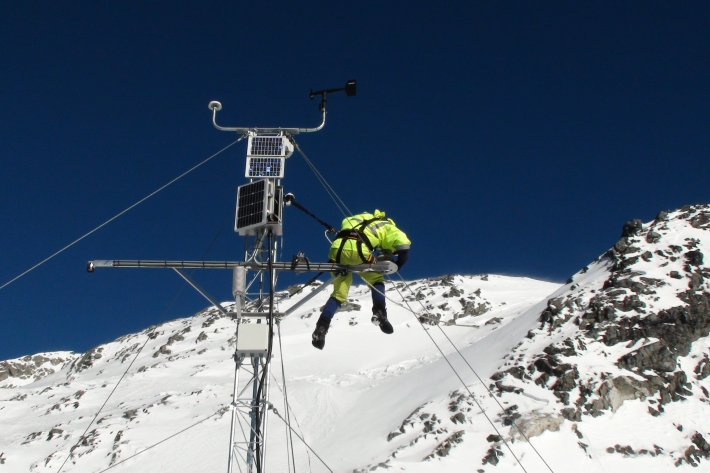
Regional modelling of New Zealand climate
Research ProjectDeveloping probabilistic scenarios of expected future regional climate changes. -
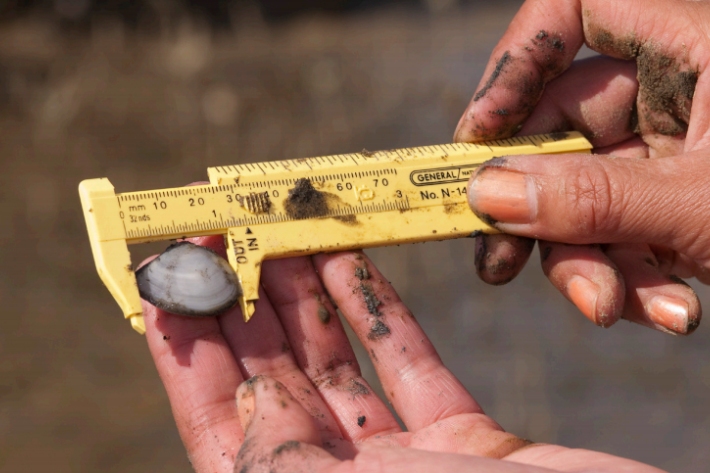
Aquaculture Activities
Shellfish gathering and farming take place in marine and freshwater environments.