-

Mean number of days of ground frost
These datasets are available in a range of formats. -
13 Beach types
Learn about different kinds of beachs and how they form, with diagrams and examples of each type. -
Tornadoes in New Zealand - FAQs
Education ResourceSome commonly-asked questions about tornadoes in New Zealand. -
Estimated bycatch
View data that show reported target catch and estimated bycatch. -
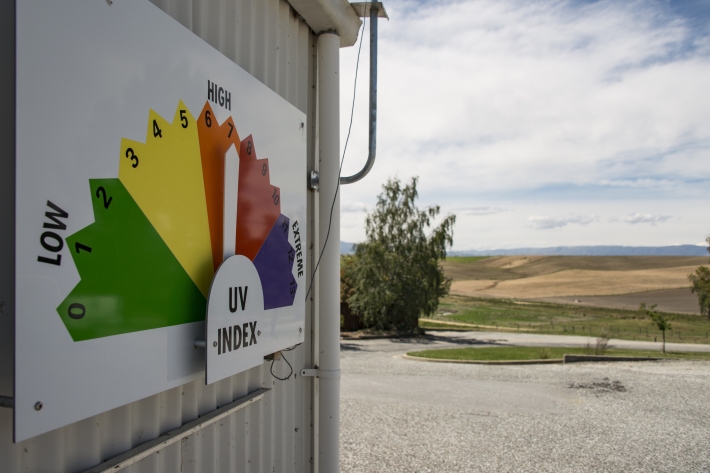
UV Index Information
Education ResourceThe UV Index is a measure of the intensity of UV radiation. The UV Index supersedes the idea of "Time to Burn" or "Burn Time", which has been used previously in New Zealand. -
Suspended-sediment yield estimator
This national GIS ‘layer’ enables reconnaissance-scale estimation of suspended-sediment yields from New Zealand’s rivers and streams. It has been developed by NIWA in collaboration with Landcare Research. -
What ails our estuaries - problems and solutions
Estuaries are at the bottom of the freshwater drainage network and, effectively, are a part of it. -
Kōura
There are two species of kōura or freshwater crayfish in Aotearoa. -
Infectious substances
Waterways can easily become contaminated by pathogens when effluent is discharged nearby. -
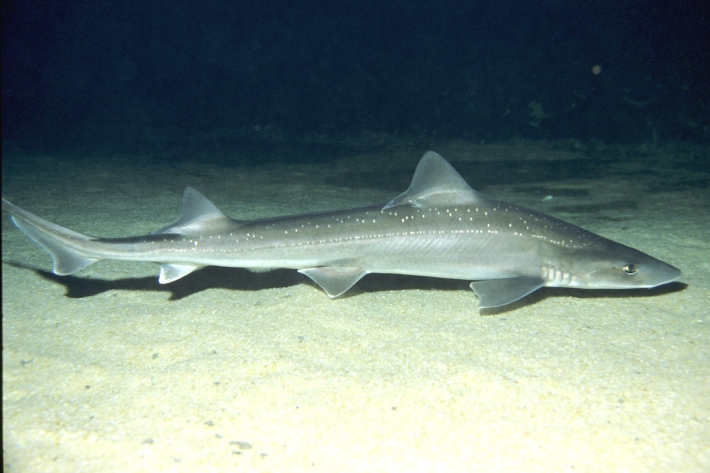
Rig shark
Research ProjectRig shark is an important inshore commercial fish species in New Zealand, and we need to understand more about their habitats, movements, nursery grounds and vulnerability to human impacts to ensure they are managed sustainably and their productivity is enhanced. -
Statement of Core Purpose
The Statement of Core Purpose spells out why the Government owns Crown Research Institutes and what it expects from them. -
What are greenhouse gases?
Greenhouse gases are atmospheric gases that intercept long-wave (mainly infrared) radiation emitted from the Earth's surface.