-
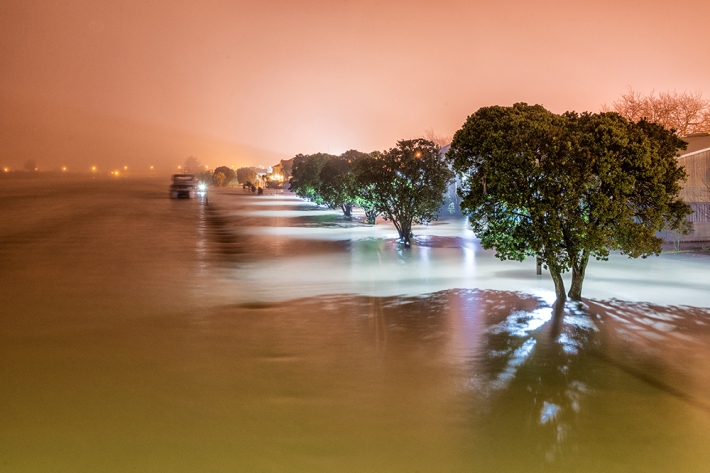
Understanding and predicting floods and their impacts
Feature story06 June 2017Floods are not unusual in New Zealand, but those that hit us early this winter broke records. Why did they occur? Should we expect more? Can we predict future floods? -

What are whitebait?
Whitebait are the juveniles of five species of galaxiidae, a family of fish confined to the Southern Hemisphere. -
Tuna - glass eels
Glass eels (about 5.5 to 7.0 cm) arrive in fresh water during spring, especially during September and October, although they may be present from July to December. -
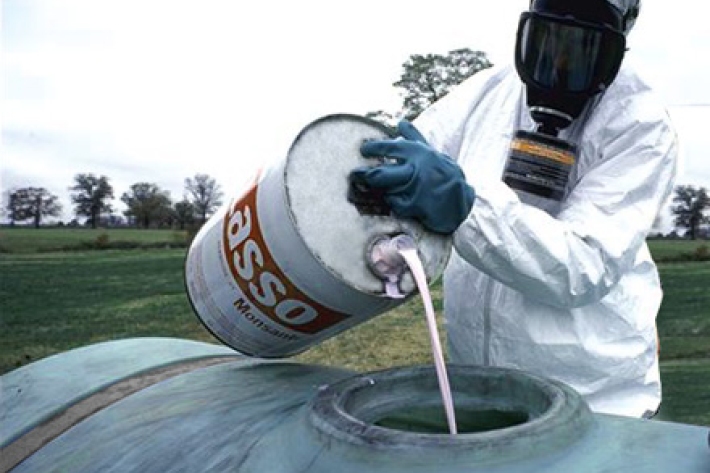
Chemical contamination
Chemical contaminants are chemicals toxic to plants and animals in waterways. -
Hotspot Watch Updates
This weekly update helps assess likelihood of extremely dry weather preceding a drought. -
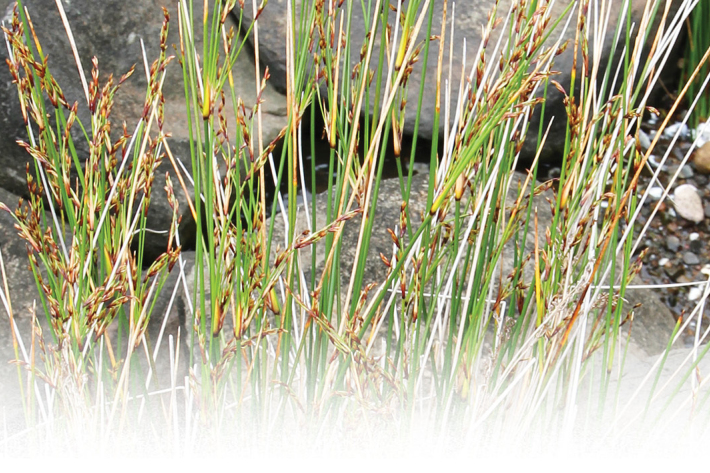
New Zealand rushes (Juncus): factsheets and key
New Zealand rushes (Juncus): species-level factsheets. -
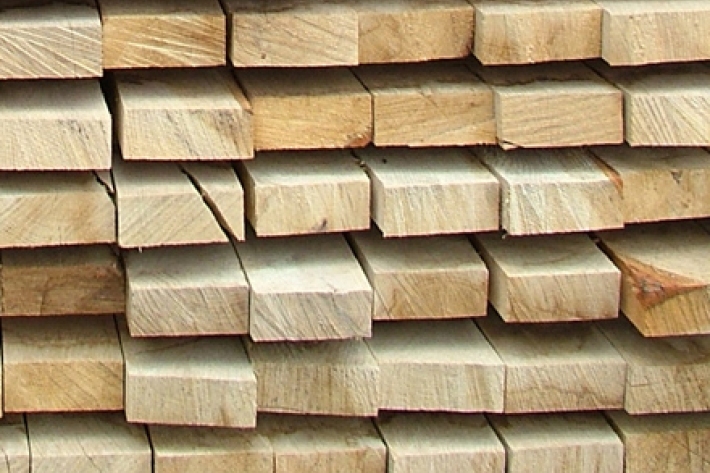
Chemical contamination and wood processing
What are the sources of chemical contamination from wood processing? -
Algae ID guides
A collection of ID guides to algae. Groups include major freshwater algal groups, diatoms and blue-green (cyanobacteria), red and green algae. -
Water resources and mining
How may the activities of the mining industry influence water resources? -
Mean 10cm earth temperature (°C)
These datasets are available in a range of formats. -
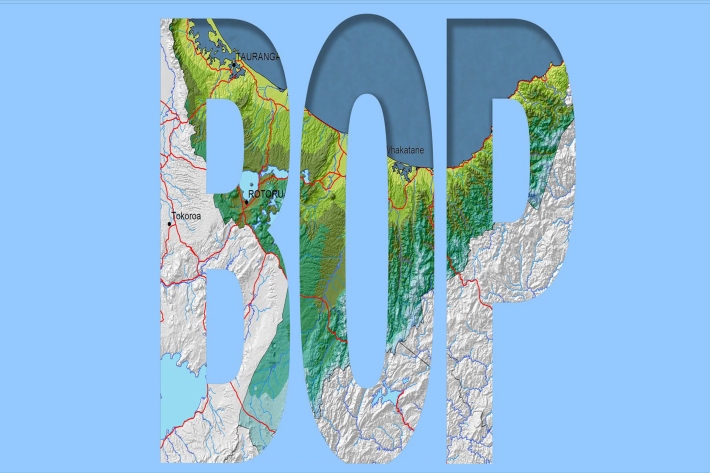
Bay of Plenty
The topography of the North Island has a profound effect on the weather of the Bay of Plenty region. -
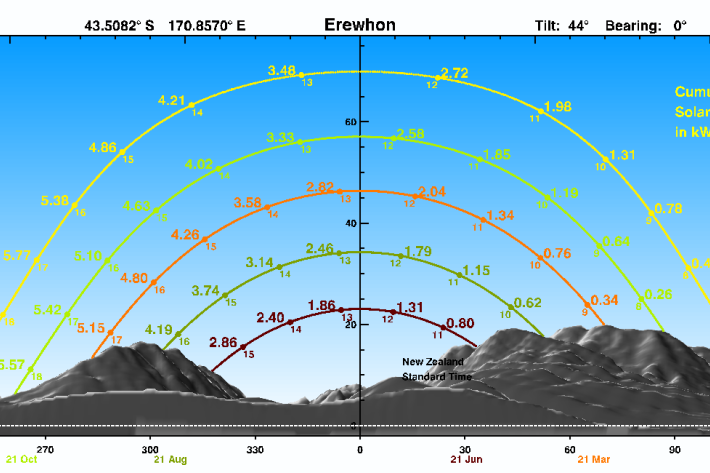
SolarView example
An illustrated example, showing how to input data and interpret SolarView results.