-

Tuna - age and methods of ageing
Currently, the most reliable method to estimate the age of tuna is by examination of their otoliths or "ear bones" -
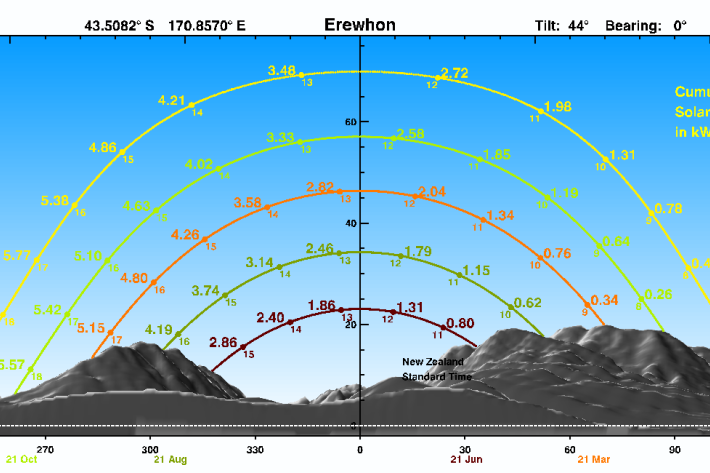
SolarView example
An illustrated example, showing how to input data and interpret SolarView results. -
Kākahi
The kākahi or freshwater mussel was a valuable mahinga kai resource for many Māori. -
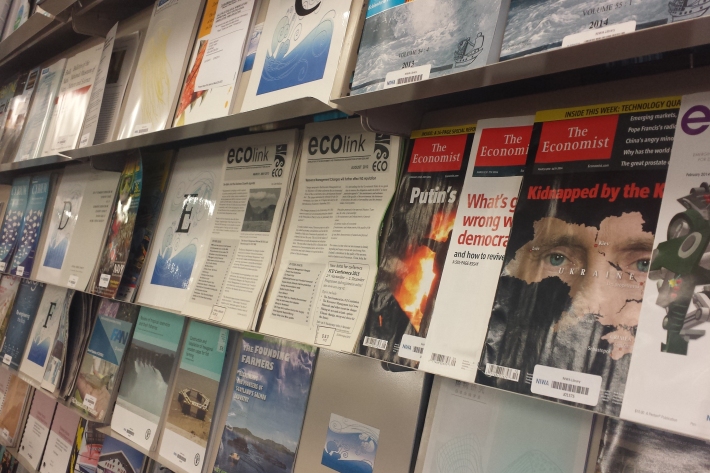
Library
ServiceThe NIWA library collection contains items in a range of formats, covering subjects including atmospheric and climate research, aquaculture, oceanography, fisheries and marine sciences. -
Mean monthly sunshine (hours)
These datasets are available in a range of formats. -
Map E North
Education ResourceSheltered by high country to the west, the eastern zone of the North Island enjoys a dry, sunny climate. -
Droughts
Generally speaking, a drought is defined as a rainfall deficit which restricts or prevents a human activity – for example, farming or power generation. -
Overview of SHMAK
An overview of what the SHMAK kit comprises, and various uses for it. -
Standardised Precipitation Index (SPI)
The Standardised Precipitation Index (SPI) is a simple measure of drought (and also of very wet conditions) and is based solely on the accumulated precipitation for a given time period. -
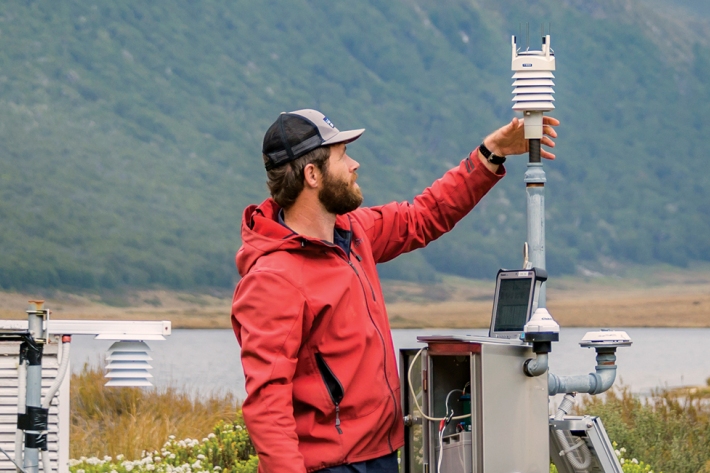
Monthly
Publication seriesMonthly climate summaries from December 2001 to the present.