-
Applying for vessel time
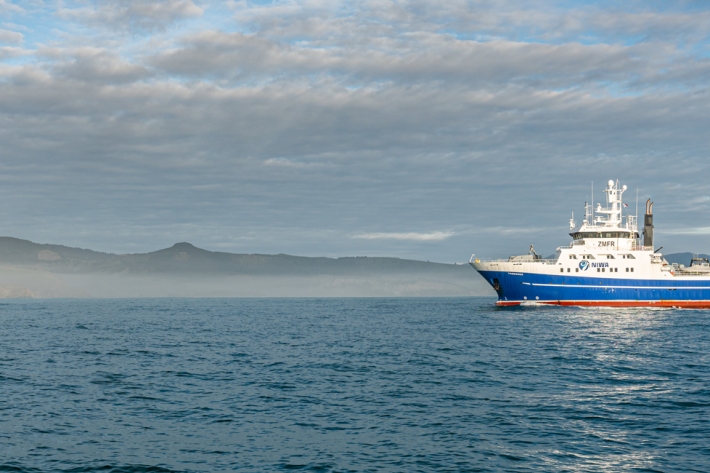
Find out how you can have access to Earth Science NZ's research vessels to carry out marine research voyages. -
Environmental Information Services
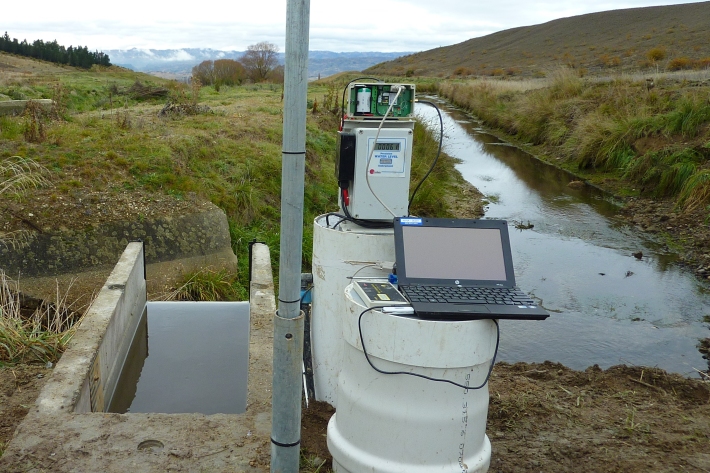
ServiceNIWA collects and manages significant amounts of New Zealand's environmental data, particularly in the climate, freshwater, marine and atmosphere domains. -

Chemical contamination and wastewater
What are the potential sources of chemical contaminants in wastewaters? -
Ecotoxicology services
ServiceNIWA offers a range of standard toxicity tests for both freshwater and marine environments. -

Forestry activities
Forest plantations in Aotearoa can be found on flat, gently rolling, or very steep terrain. -

River Environment Classification
The River Environment Classification (REC) is a database of catchment spatial attributes, summarised for every segment in New Zealand's network of rivers. -
Coldest seawater discovered
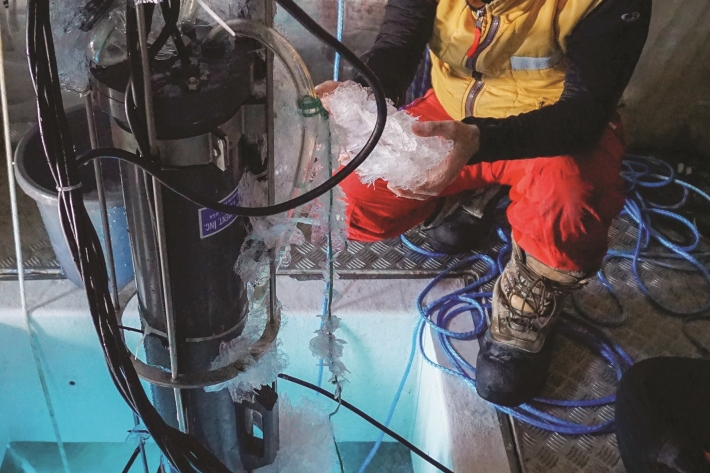
Feature story06 June 2017The coldest seawater on earth could help scientists understand why Antarctic sea ice is growing in a warming world -
Statement of Corporate Intent
This Statement of Corporate Intent (SCI) sets out NIWA's strategy for delivering against its core purpose over the next five years. -
Proud of your plants? 1 June 2017
News article01 June 2017NIWA is doing a nationwide study to discover what makes the best riparian projects. Help us give you the knowledge to make the best riparian management decisions possible by taking our 5 minute survey. -
New database sheds light on prehistoric tsunamis affecting New Zealand
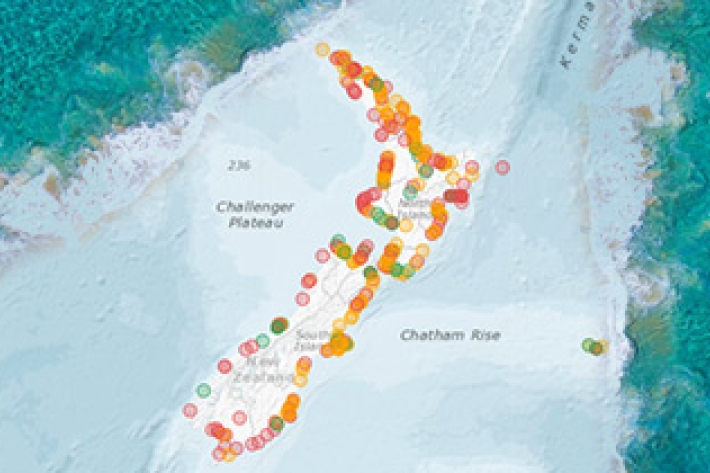
Media release31 May 2017The scientific records of palaeotsunamis to have affected New Zealand shores can now be accessed in a new one-stop information shop.